Trending
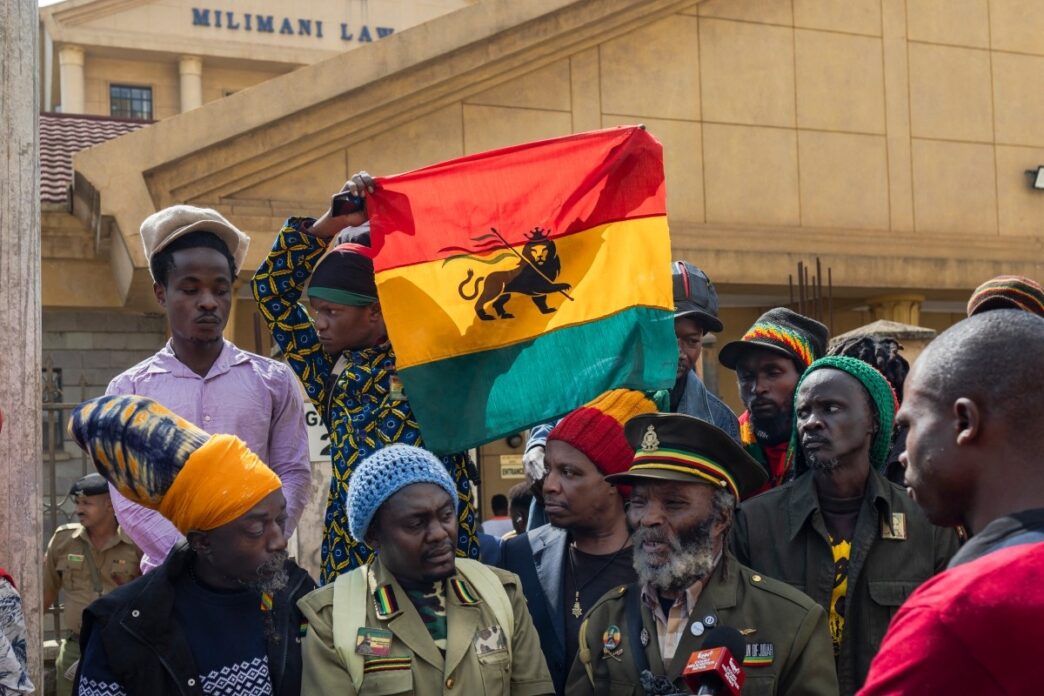
Kenya’s High Court has dismissed a bid by Rastafarians to gain the legal right to use cannabis for religious purposes, ruling that the group failed to prove the drug is an essential part of their faith.
The case, which has been before Kenyan courts since 2021, sought an exemption from the country’s narcotics laws on the grounds of constitutional protection for freedom of religion.
Rastafarians argued that marijuana is used as a sacrament during religious meditation.
Read More : Mauritania Students Protest Transport Fare Hike
In its judgment on Wednesday, the court held that although witnesses agreed cannabis is used in Rastafarian worship, they could not establish that its use was indispensable to the religion.
As a result, the court declined to exempt adherents from Kenya’s drug laws, under which possession of cannabis carries a prison sentence of up to 10 years and a substantial fine.
“While all witnesses agreed that cannabis is used as a sacrament, they could not agree on whether its use is essential or merely preferred,” the judge said in his ruling.
One of the petitioners, Ras Dimo, criticised the ruling, saying it reflected colonial-era laws that suppress African spirituality. He maintained that Rastafarians use cannabis as a sacred offering in worship.
“The laws of oppression, colonial laws that want to put African spirituality down,” he said.
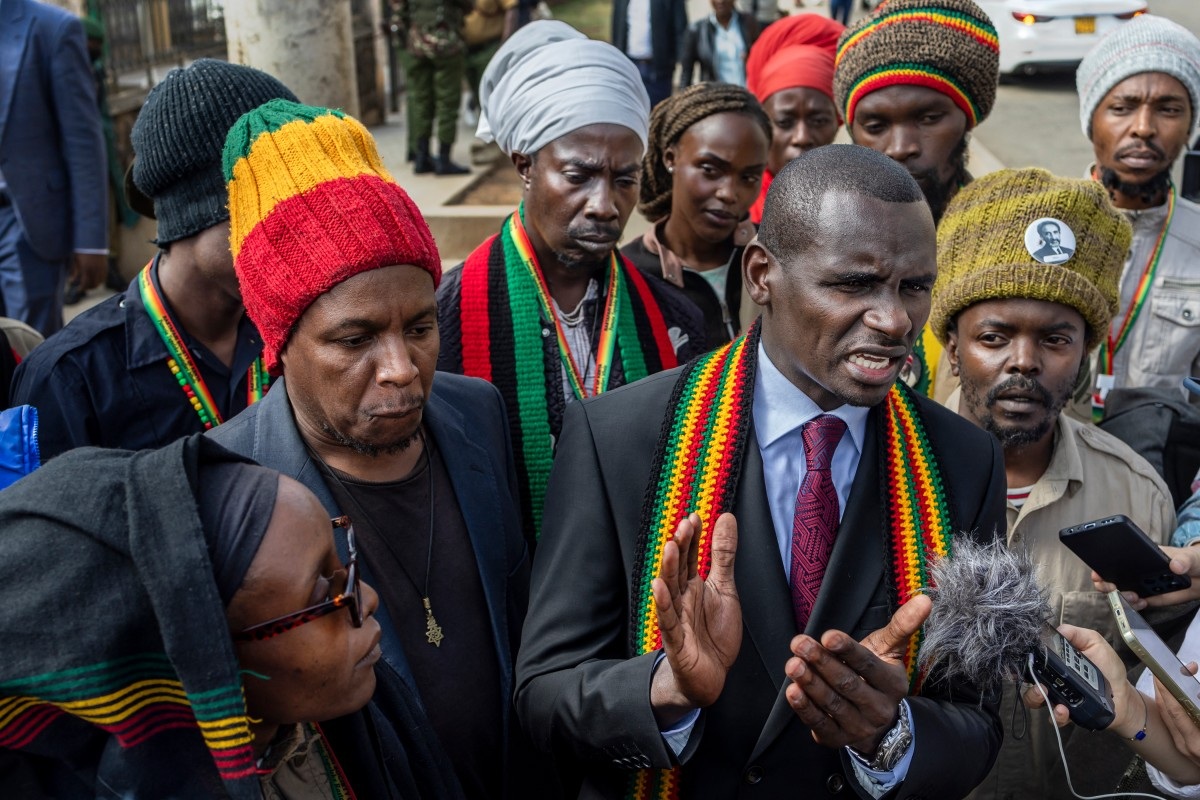
“Rastaman just wants to burn this holy plant so that the incense can rise to the Almighty,” he added.
The community’s lawyer said the decision would be appealed.
Despite rejecting the petition, the judge questioned the effectiveness of Kenya’s current cannabis laws, noting that recreational use of the drug has become widespread across the country.
The court suggested the issue warrants a broader national conversation on possible reforms and even referenced Peter Tosh’s reggae anthem Legalize It to illustrate the prevalence of cannabis use.
“It is beyond dispute that use of cannabis in this country has become ubiquitous and has arguably been so for many decades,” he said.
Read More : Brazil’s Lula Turns 81, Vows 24-Hour Workday
“The status quo appears untenable”, the judge said, and there should be “a full and frank conversation on cannabis and which direction we should take”.
Rastafarianism, which originated in Jamaica in the 1930s, emphasises Pan-Africanism, spirituality and vegetarianism, and has gained followers in Kenya, particularly among young people. The movement has historical ties to the country, with its tradition of wearing dreadlocks linked to some Mau Mau fighters who resisted British colonial rule.
Rastafarians in Kenya have long complained that cannabis laws are used to target members of the faith. In 2019, a Kenyan court ruled that expelling a student because of her dreadlocks violated her constitutional right to freedom of religion.