Trending
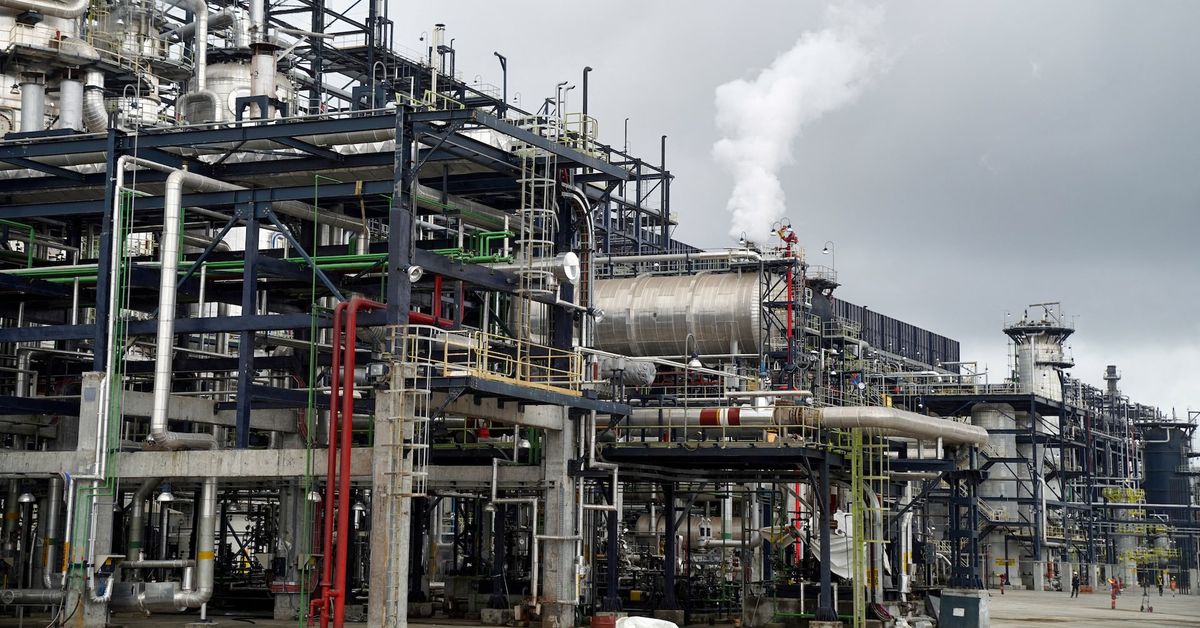
Africa faces a critical moment in global energy, with demand for refined products projected to rise sharply through 2050, according to the African Energy Chamber’s 2026 Outlook Report, “The State of African Energy.”
The report forecasts that refined product demand will increase from around 4 million barrels per day (bbl/d) in 2024 to over 6 million bbl/d by 2050, driven by population growth, economic expansion, and urbanisation.
Stakeholders are urged to invest in refining capacity, trading networks, and cleaner fuels to prepare for the continent’s energy needs.
While advanced economies reduce oil dependence, Africa’s per capita consumption remains the world’s lowest, highlighting both growth opportunities and infrastructure challenges.
The continent’s population is expected to reach 2.4 billion by 2050, representing 25% of the global population and 63% of expected population growth.

GDP is projected to nearly triple to USD 7.8 trillion, boosting demand for energy-intensive activities.
Petrol demand will rise steadily, surpassing 2.2 million bbl/d by 2050, led by Nigeria and emerging markets.
Despite the gradual introduction of electric vehicles, gasoline will remain central to personal and commercial mobility, particularly in less-developed regions.
Diesel/gasoil demand is set to increase nearly 50%, to just under 2.7 million bbl/d, driven by extractive industries, heavy-duty transport, and infrastructure projects in countries such as Angola, Zambia, the DRC, and Zimbabwe.
Aviation fuel consumption is rebounding post-pandemic, projected to grow from 280,000 bbl/d in 2025 to 465,000 bbl/d by 2050, supported by tourism, urbanisation, and new infrastructure projects such as Ethiopia’s airport expansion and the African Continental Free Trade Area (AfCFTA).
LPG presents a major opportunity for cleaner energy. Over 900 million Africans currently rely on polluting fuels for cooking. Switching to LPG could cut particulate emissions by 98%, save 1.2 million hectares of forest annually, and reduce CO₂ emissions by 279 million tonnes per year.
However, adoption remains low at under 20 million tonnes per year, constrained by policy, financing, and distribution gaps.
The report highlights that Africa will require over USD 20 billion in downstream infrastructure investment by 2050 to meet growing refined product demand.
Projects like Nigeria’s Dangote refinery are crucial, but insufficient alone.
The outlook emphasises the need for strategic planning, local refining, efficient trading, and a gradual transition to cleaner fuels to meet the energy requirements of 2.4 billion people by mid-century.