Trending
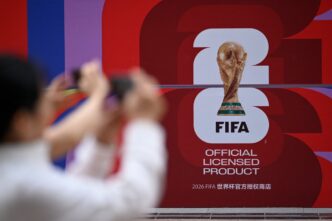
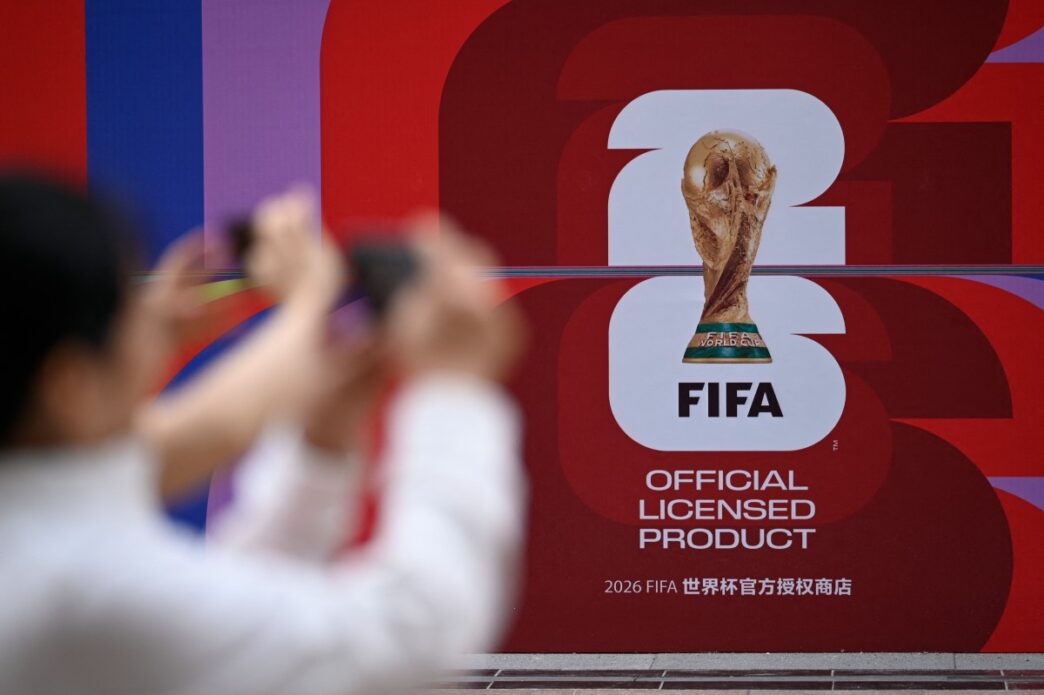
As the 2026 FIFA World Cup begins, generative AI chatbots are taking centre stage in predicting football’s ultimate victor.
ChatGPT and Anthropic’s Claude are tipping Spain, while Le Chat, developed by France’s Mistral, believes Les Bleus will clinch the trophy. Meanwhile, China’s DeepSeek and Qwen favour Argentina, highlighting the diverse preferences of AI systems worldwide.
This marks the first World Cup where widely available AI is being used to forecast outcomes, evoking memories of Paul the Octopus, the cephalopod who famously predicted winners in 2010 by choosing between food containers marked with team flags.
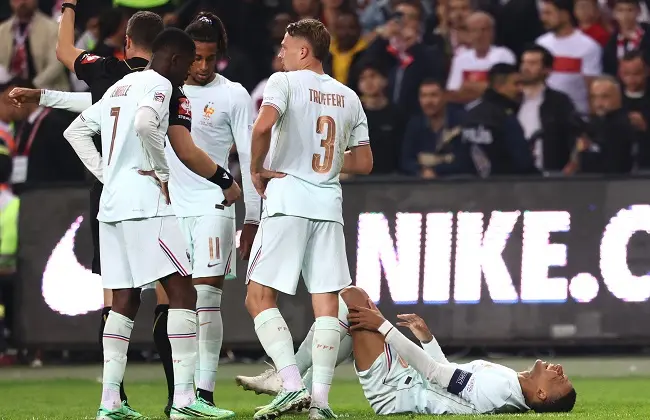
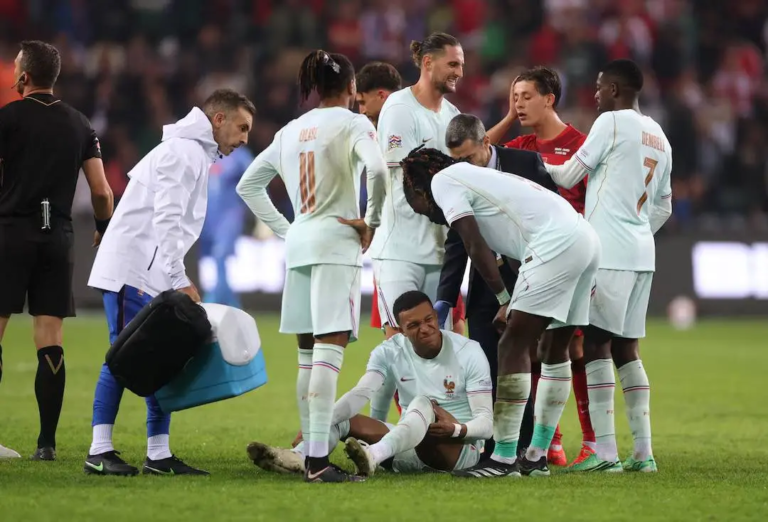
Read More : Mbappe Suffers Knee Injury
Unlike the last World Cup in Qatar, when OpenAI’s ChatGPT had just been released in late 2022, AI is now firmly in the global sporting conversation.
Institutions from banks to universities are experimenting with AI’s football foresight. Analysts at Bank of America reported that Microsoft’s CoPilot chatbot favoured Spain equally with France, the latter of which was predicted by around 40 per cent of fans.

Tech news site Tom’s Guide found that Google’s Gemini, ChatGPT, and Perplexity consistently picked Spain as the winner, with France as the runner-up. Decrypt observed similar results from Western chatbots, while Chinese competitors leaned toward Argentina.
Researchers at Germany’s Ludwig Maximilian University (LMU) are taking a more scientific approach, tracking AI accuracy game by game on their public platform, LLM SoccerArena.
LMU management researcher Stefan Feuerriegel emphasised the importance of real-world benchmarks:
“The question of whether language models can reliably support real decision-making situations is critical, we need benchmarks that test how models deal with dynamic information, uncertainty and results that can be checked later.”
AI is not only providing entertainment but also practical insights. Experts from Australia’s University of the Sunshine Coast note that coaches, medical staff, referees, and even ticketing systems are already using AI.
Read More : Nigeria Open Golf Returns After 28 Years
“We won’t see an AI agent scoring a goal, or a robot coach calling the shots (at least not yet), but there is no doubt the winner of the tournament will have relied on AI along the way,” they said.
The 2026 World Cup thus becomes a global experiment in predictive technology, blending human passion with machine intelligence in unprecedented ways.