Trending
Two days after women around the world celebrated the 2026 International Women’s Day (IWD), the Nigerian Senate took an action that women’s rights activists said highlighted Nigeria’s widening gender gap.
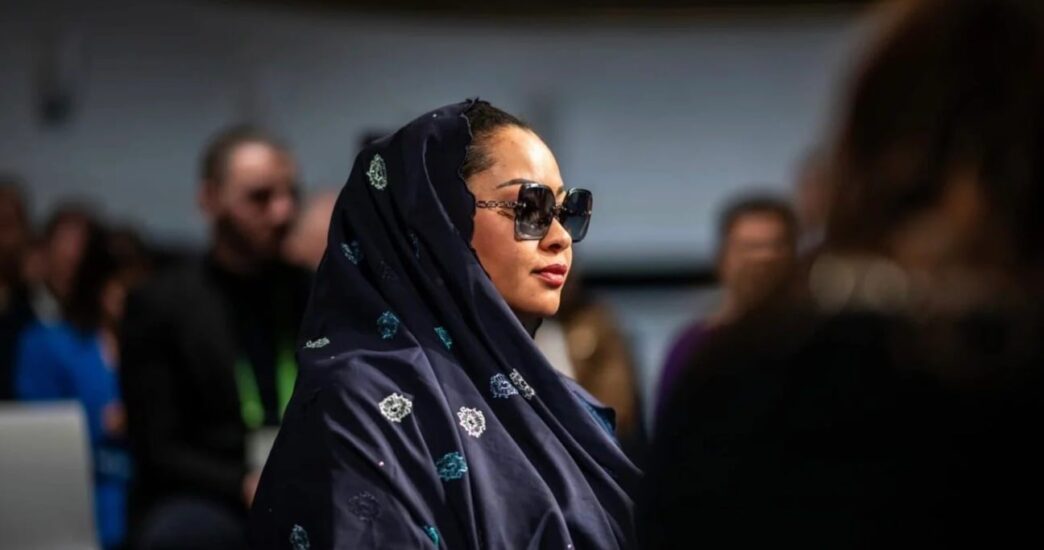
The senator representing Kogi Central, Senator Natasha Akpoti-Uduaghan, was removed from the country’s delegation to the 70th session of the United Nations Commission on the Status of Women (CSW70).
A male senator, the Chairman of the Senate Committee on Judiciary, Human Rights, and Legal Matters, Senator Adegbonmire Adeniyi Ayodele, was nominated in her stead.
Federal Capital Territory (FCT) Senator Ireti Kingibe had recommended Akpoti-Uduaghan for the UN Women’s event, but on February 25, Akpoti-Uduaghan complained that she had been sidelined and removed from the list of delegates expected to attend, despite having submitted the required documents.
The Kogi Central Senator said she had sent her passport details as requested within a few hours but later received a response from the ministry stating that she would no longer be attending because the details were submitted late.
A staff member of the Senate Committee on Women Affairs, who pleaded for anonymity, told Premium Times that the Senate leadership replaced Akpoti-Uduaghan from the delegation because there were concerns she might raise controversial issues at the event and “potentially tarnish Nigeria’s image”.
Not The First Time
Akpoti-Uduaghan is no stranger to such an ordeal.
The first of such experiences that caught the attention of many Nigerians saw her being suspended from office for six months after she accused Senate President Godwill Akpabio of sexual harassment.
It all started when Akpoti-Uduaghan discovered that her seat had been moved without her consent and opposed the decision during plenary. It led to a tense exchange between Akpabio and her.
In media interviews and during plenary, Akpoti-Uduaghan accused Akpabio of sexual harassment, and the matter was referred to the Senate Committee on Ethics, Privileges and Public Petitions. The committee dismissed her sexual harassment petition on procedural grounds, saying it did not follow the required format.
On March 6, she was suspended from all legislative activities, her office in the National Assembly was locked, and she was barred from entering the National Assembly complex during the suspension period.
Following the conclusion of her suspension, Akpoti-Uduaghan returned to her office and resumed her legislative duties, but two months later, she challenged a male colleague, Senator Osita Ngwu, for deleting her comments from the official senators’ WhatsApp group.
It didn’t end there.
During a joint sitting of the Senate and House of Representatives Mines and Steel Development budget defence session, Akpoti-Uduaghan and the Minister of Steel Development, Shuaib Audu, engaged in a heated exchange over the funding and development of the Ajaokuta Steel Plant after she questioned Audu’s true intentions of reviving the Ajaokuta Steel Plant.
The senator criticised the committee for holding meetings and engaging with the media, which she said had produced minimal impact in reviving the plant.
As she was about to probe further, Senator Patrick Ndubueze, who chaired the meeting and represented Imo North, adjourned the session.
Despite her pleas to speak further, Ndubueze brought down the gavel, signalling the end of the session
According to a human rights advocate, Ejiro Umukoro, women who have open differences with their colleagues are punished with exclusion due to a strained relationship within the political circle or the national assembly against fellow colleagues.
“It reflects how women in politics face systemic retaliation. And this must stop because serving the people comes first before any private validation,” said Umukoro.
“And these strained relationships could be between women or between men. It can also be men against men. So, it is not necessarily a gender issue.”
Nigeria’s Persistent Gender Divide
Nigeria has a long history of gender inequality, especially the marginalisation and discrimination of women in the country’s political landscape.
Akpoti-Uduaghan is one of four women who occupy seats in the Senate, consisting of 109 senators.
Across the National Assembly, which has 469 seats in both the upper and lower chambers of Nigeria’s bicameral legislature, women occupy just 21 seats.

The legislature’s abysmal gender representation highlights the broader under-representation of women throughout government. In the executive arm, for instance, only about 8 ministers are women. This means women make up roughly 17 % of the cabinet.
The number of women holding public office in Nigerian President Bola Tinubu’s administration is among the lowest in recent times. For context, in the Ninth (9th) National Assembly, there were 8 female senators and around 13 female members of the House of Representatives, totalling around 21 women in the 469‑member assembly.
The figures from the ninth and tenth assemblies reveal that Nigeria is far from reaching the 35 % gender‑inclusion benchmark that many women’s rights groups advocate for in government appointments.
During the opening ceremony of the UN event that Akpoti-Uduaghan was to attend before she was replaced by a male senator, the UN Secretary-General, António Guterres, decried the gender inequality that has long stood in the way of women across the world.
Guterres said gender equality is, and always has been, a question of power.
“We still live in a male-dominated world and a male-dominated culture. Gender equality is – and always has been – a question of power. Not a single step forward for women’s rights has ever been taken. It has been won. Won by generations of women and girls, advocates and activists, community leaders and justice seekers,” said Guterres.
‘Undermines Women’s Political Representation’ – Women’s Rights Advocate
Nigerian women often face discrimination when contesting public offices. Many factors are responsible for the abysmal representation of women in Nigerian politics. Nigerian women have demanded more seats in public office and the removal of barriers that hinder their representation and participation in politics.
But Akpoti-Uduaghan’s case reveals that women struggle to attain public office and often face marginalisation from their male colleagues when they do, says Umukoro.
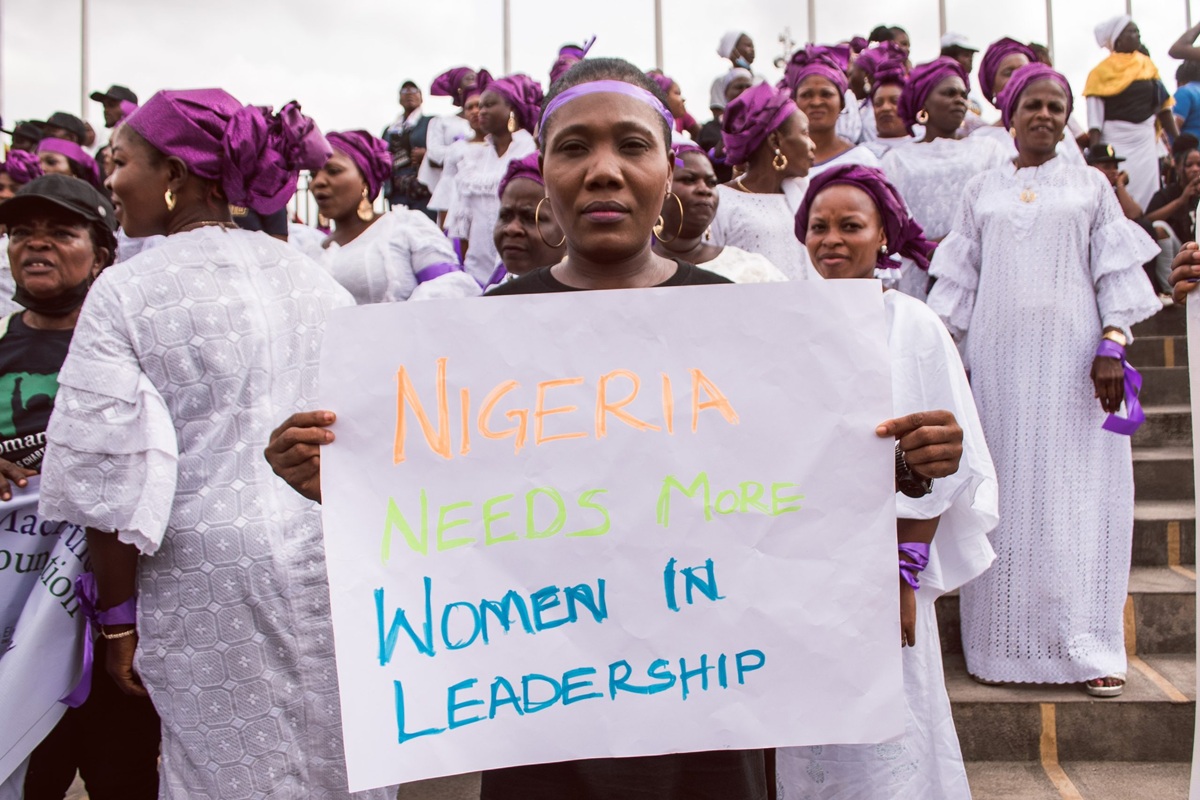
According to Umukoro, the replacement of a female senator with a male senator undermines Nigeria’s commitment to gender equality and reflects a patriarchal-driven mindset that shapes Nigeria’s political landscape.
“This is not just about one person. It is a patriarchal-driven mindset and reality that we must begin to confront. The replacement of any female lawmaker or Senator by her male colleague at a UN CSW70, a global women’s rights forum, undermines Nigeria’s commitment to gender equality. This decision dilutes female representation and sends a contradictory message about women’s value in governance,” said Umukoro.
With Akpoti-Uduaghan removed from the delegation list, Kingibe and the Kogi Central senator are attending the UN Women’s event. Umukoro argued that this does not amount to genuine inclusion of women.
“This represents tokenism rather than genuine inclusion, failing to address broader structural barriers to women’s political participation. The Ministry of Women Affairs cannot be seen as selective, used as a tool to punish other women, or treated as a means to an end in anyone’s game,” Umukoro told News Central.
“With women holding under 5% of National Assembly seats, this incident is emblematic of Nigeria’s ongoing struggle with gender parity in governance.”