Trending
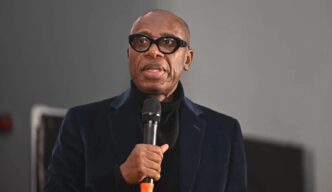
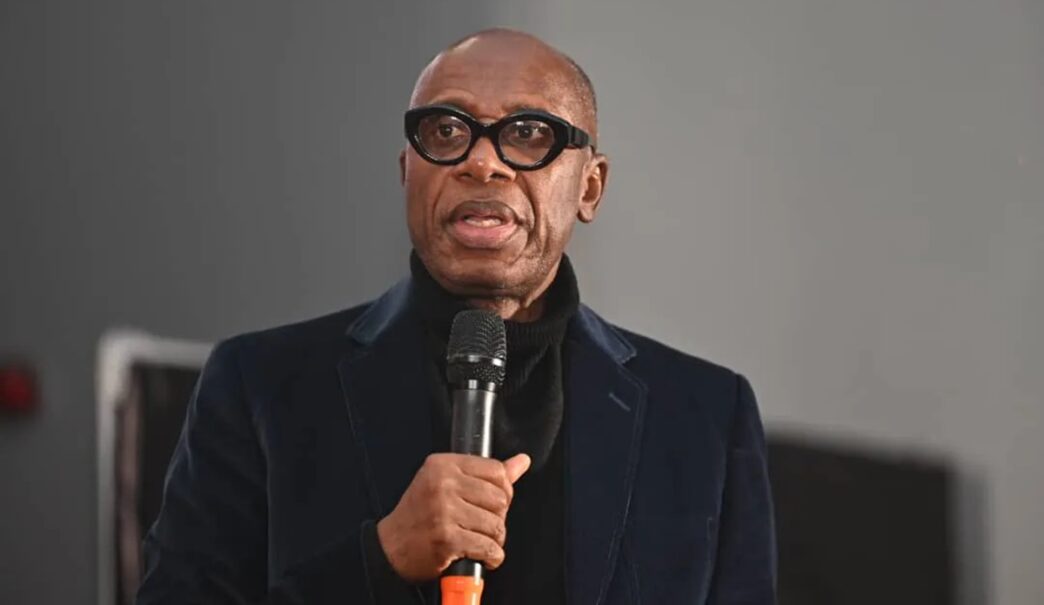
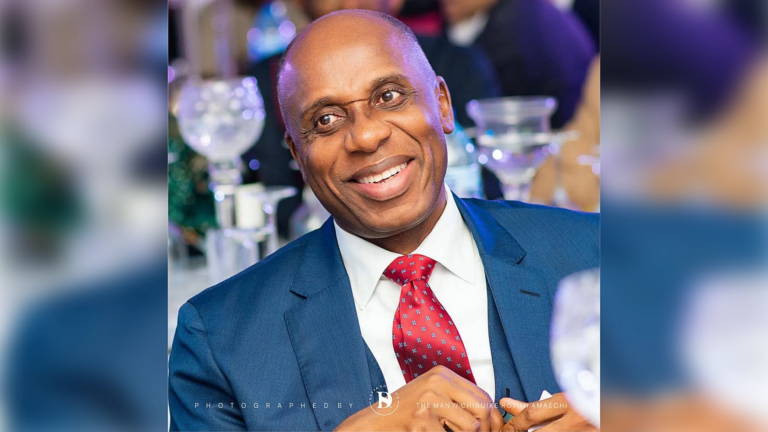
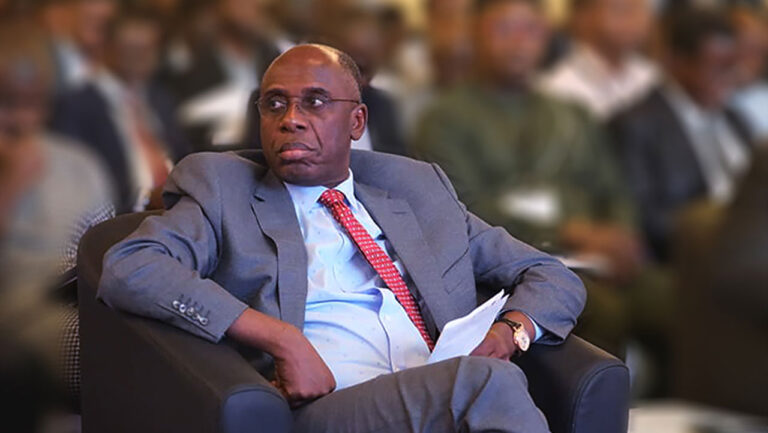
Former Rivers State Governor Rotimi Amaechi has said religious leaders have the right to openly criticise the government and should not be discouraged from speaking on national issues.
Amaechi stated this on Tuesday while speaking on Channels Television, reacting to recent criticism of President Bola Tinubu’s administration by Catholic bishops and other church leaders.
He said religious leaders should speak out when government policies or actions are not in the public interest, arguing that their influence gives them a responsibility to hold leaders accountable.
Amaechi cited Pope Leo XIV’s opposition to the war in Iran and said Catholics in the United States had also challenged President Donald Trump over the conflict.
“If they don’t, who else can? Didn’t he listen to the Pope? The Pope was against the war,” he said.
“The Catholics in America said, ‘You can’t say that of our Pope.’… All I know is that the population of the Catholics is about 35 million, and you just can’t insult all of us like that. You can’t.”
He recalled that the Catholic Church had similarly criticised the administration of former President Muhammadu Buhari over insecurity while he served as minister of transportation.
According to him, the Buhari administration listened to the concerns raised by the church, particularly over worsening insecurity, which he said had become even more serious.
“When the Catholic Church came after Buhari, I was in Buhari’s government. And I’m a Catholic. You know what we did? We all kept quiet and looked at what the issues they wanted us to address,” he said.
“And the issues that brought them out to the streets were insecurity. It’s worse now.”
Amaechi also defended his record as transportation minister, arguing that railway services were more frequent during his tenure.
He said the Lagos-Ibadan railway operated four times daily when he left office, compared with the current frequency of once a day. He also said the Abuja-Kaduna route operated four to six times daily during his tenure but now runs only once a day.
“By the time we left, there was a railway from Lagos to Ibadan. Four times a day. Today it’s only once,” he said.
“By the time we left, there was a railway from Kaduna to Abuja. Four to six times a day. Today it goes only once.”
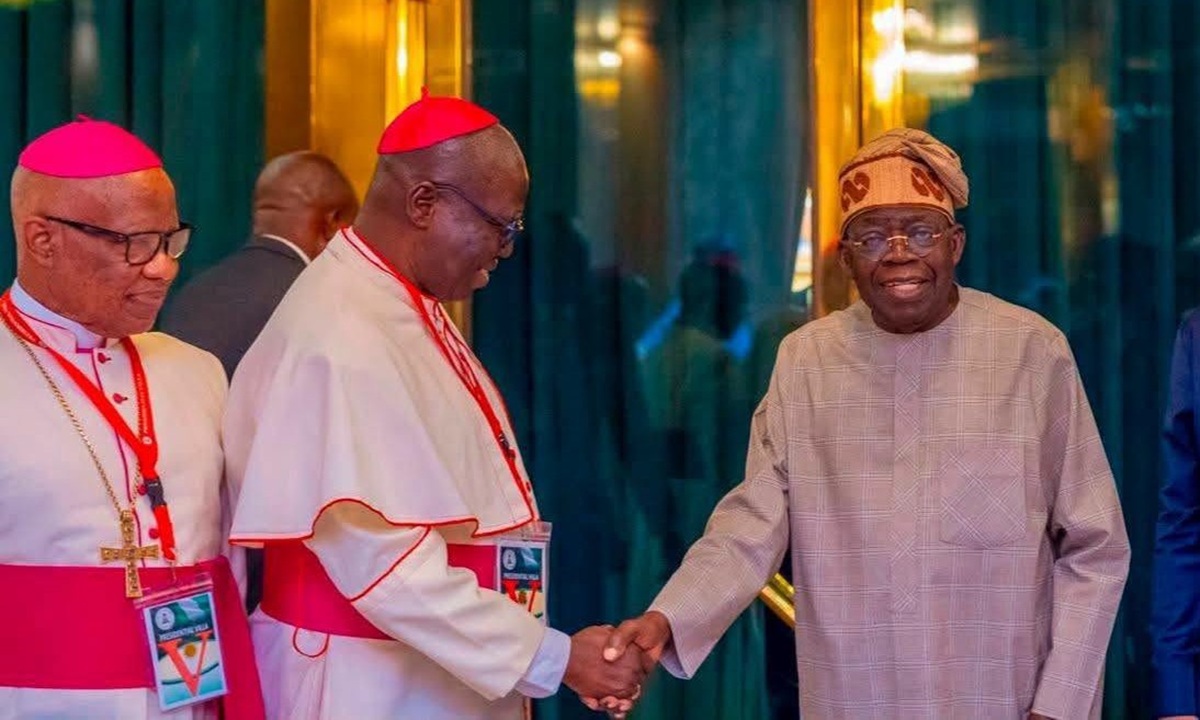
On June 28, the leadership of the Catholic Bishops’ Conference of Nigeria, led by its president, Matthew Ndagoso, visited President Tinubu at the State House in Abuja.
During the meeting, Tinubu described the Independent National Electoral Commission (INEC) as neutral and said his political opponents were apprehensive about the people around them.
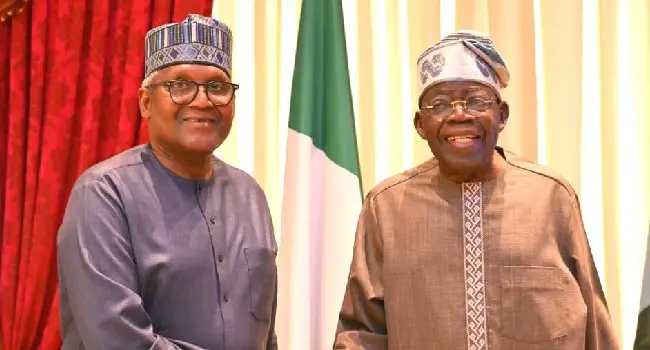
Read More : Tinubu Hosts Dangote, Rabiu, Akpabio in Lagos
However, Cardinal John Onaiyekan, former Archbishop of Abuja, later criticised the administration during an appearance on Arise Television’s Prime Time programme.
Onaiyekan said people around Tinubu were presenting him with an overly positive picture of the country instead of its actual condition. He also alleged that the administration appeared determined to secure victory in the 2027 elections by all means.
In response, Daniel Bwala, Special Adviser to the President on Policy Communication, accused the cardinal of commenting from a political standpoint.