Trending
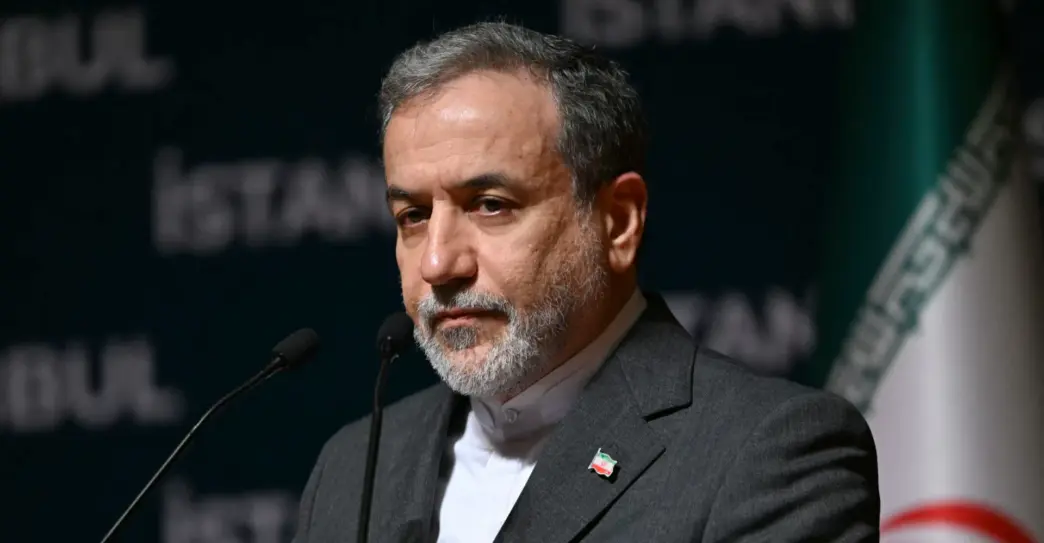
Iran’s Foreign Minister Abbas Araghchi has issued a stark warning to Washington, declaring that any return to war will feature major “surprises” after confirming that Iranian forces were the first to shoot down an American F-35 fighter jet.
Citing a US Congressional report on aircraft combat losses, Araghchi stated on X that Tehran has gained invaluable knowledge and learned critical lessons from the battlefield.
Months after initiation of war on Iran, US Congress acknowledges loss of dozens of aircraft worth billions.
Read More : Mauritania Students Protest Transport Fare Hike
Our powerful Armed Forces are confirmed as 1st to strike down a touted F-35.
With lessons learned and knowledge we gained, return to war will feature many more surprises.
— Seyed Abbas Araghchi (@araghchi) May 19, 2026
He cautioned that should the current standoff dissolve back into open hostilities, Iran’s response will feature many more tactical surprises for the United States.
The foreign minister’s remarks came immediately after US President Donald Trump warned that the United States could resume military strikes against Iran within days if a peace deal is not finalised.
Speaking at the White House, Trump claimed he had postponed a major assault just an hour before it was scheduled to launch, following weeks of a fragile ceasefire that began after the war erupted on February 28.
Trump stated he was willing to give diplomacy a limited window of a few days, hinting at a potential resumption of attacks by the weekend or early next week, while claiming that Washington held the upper hand in negotiations.
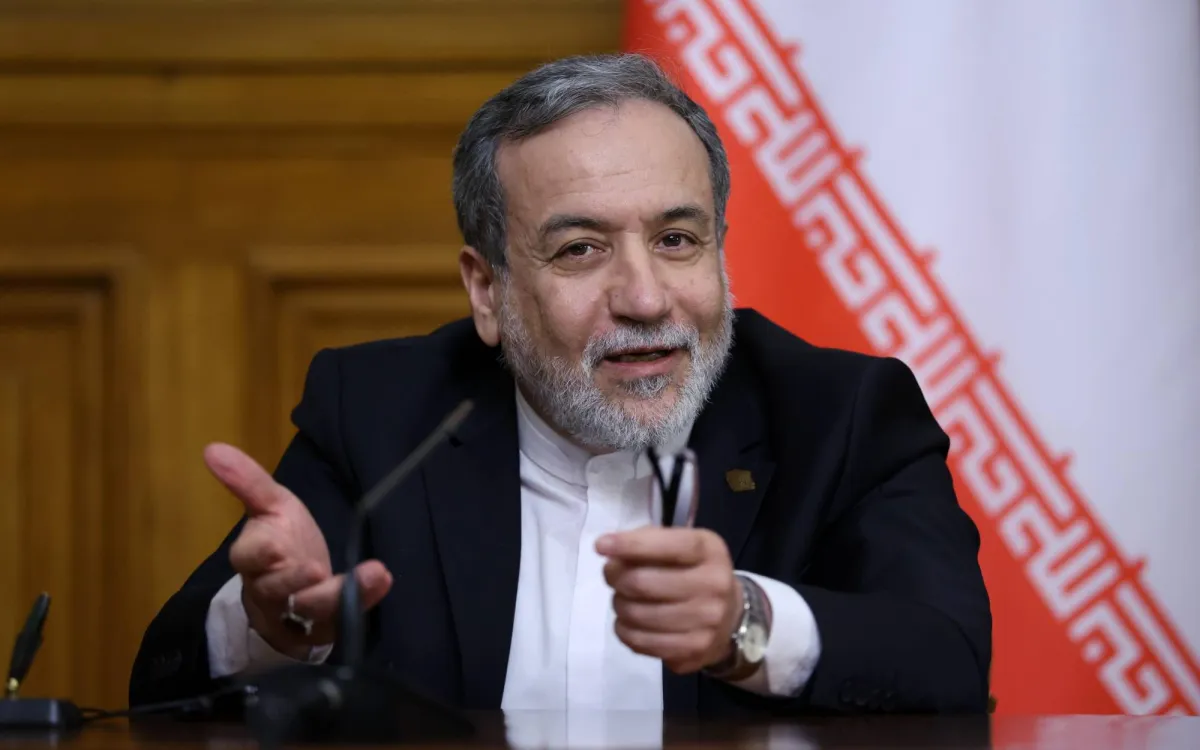
Tehran and its military officials have strongly disputed Trump’s assessment of the conflict’s power dynamics.
Beyond Araghchi’s warnings, Iranian army spokesman Mohammad Akraminia countered that the Islamic Republic utilised the truce—which held on April 8—to significantly strengthen its combat capabilities.
Akraminia threatened that Iran would open entirely new military fronts against the United States if American forces resumed their bombardment.
Observers also note that Iran continues to hold substantial economic leverage through its ability to disrupt the vital Strait of Hormuz shipping lane, which has already driven up global fuel prices.
The escalating rhetoric highlights the frailty of the peace process, which has seen only a single round of high-level talks led by US Vice President JD Vance.
Read More : Brazil’s Lula Turns 81, Vows 24-Hour Workday
While Vance noted some progress and expressed hope for a diplomatic solution, he reiterated that the US military remains “locked and loaded.”
The conflict has become a heavy political liability for Trump ahead of the November congressional elections, as American voters grow increasingly frustrated with rising domestic fuel costs.
Despite losing its supreme leader on the first day of the war, Iran’s resilient leadership continues to demand the lifting of long-standing sanctions, the release of frozen foreign assets, and war reparations as conditions for a lasting peace.