Trending

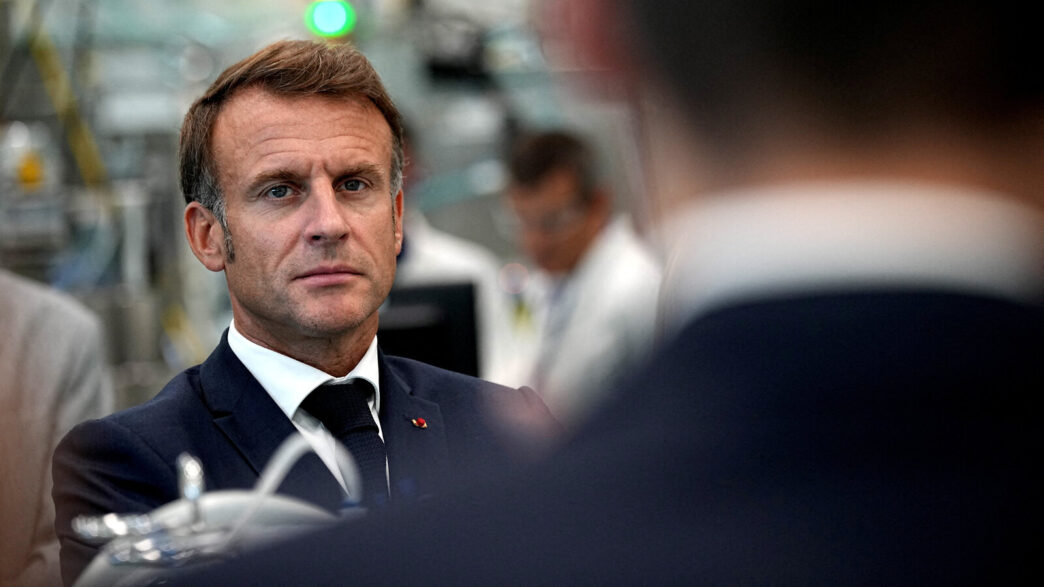
A teenager from Burkina Faso who used artificial intelligence to create and spread a fake video claiming a coup had taken place in France says he has no regrets, despite the controversy it sparked and the attention it drew from French President Emmanuel Macron.
The 17-year-old, who asked to remain anonymous, posted the fabricated clip in early December, presenting what appeared to be television journalists reporting on a military takeover led by an unnamed colonel.
The video included convincing imagery, such as flashing police lights and the Eiffel Tower in the background, all generated using AI techniques he had learnt online.
Initially shared on TikTok on December 9 before being reposted on Facebook, the video quickly went viral, attracting more than 12 million views and tens of thousands of likes.
The scale of its spread caught the attention of French media and politicians, with President Macron later voicing frustration that Facebook had initially refused to remove the post, arguing it did not breach platform rules.
The creator ultimately deleted the video himself after being contacted by journalists. Speaking afterwards, he said the project had been intended as a money-making experiment rather than a political statement.
Despite the huge reach, he earned just seven euros from the content and admitted the financial return fell well short of expectations.
The teenager explained that he began learning about AI-generated videos last year through YouTube tutorials and only started producing content seriously in October 2025.
He said he was surprised by his sudden notoriety and laughed off the attention in a follow-up video posted to his Facebook page.
He stressed that he was not driven by hardship, saying his basic needs were met and his parents looked after him well.
However, he said he was keen to achieve financial independence and had been inspired by seeing other social media pages rack up millions of views and earn money through advertising.
After experimenting with different formats, he found that AI-generated fake news attracted far more online engagement.
Although his Facebook page is not yet monetised, he said he had earned small amounts through TikTok, claiming he had found a way around the platform’s usual restrictions on monetisation in Africa.
While the fake coup video itself brought little income, he has since used the attention to promote paid online training in AI content creation.
He said at least five people had contacted him for coaching, which he charges at 7,000 CFA francs, around 10 euros, for an hour-long session.
France has frequently been targeted by disinformation campaigns, particularly from countries in the Alliance of Sahel States, including Burkina Faso, Mali and Niger, all of which have distanced themselves from Paris following recent military coups and strengthened ties with Russia.
Burkina Faso’s junta has become known for circulating AI-generated propaganda, including fabricated endorsements from global celebrities.
The teenager denied being linked to pro-government cyberactivist groups in Burkina Faso, insisting his actions were independent.
While he said politics was not his primary motivation, he admitted the video was also intended to frighten people and to make a point about what he views as misleading coverage of the Sahel by some French media and politicians.
Referring to reports that claimed Mali’s capital, Bamako, was close to falling to jihadist forces, he accused French authorities and media of spreading exaggerated or false narratives about the region.
As a result, he said he felt no remorse about publishing false information about France, arguing that it was merely a reversal of what he believes France has done to countries in the Sahel.