Trending
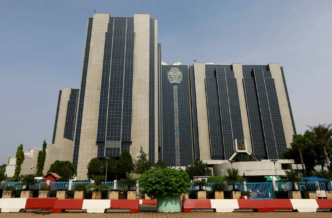
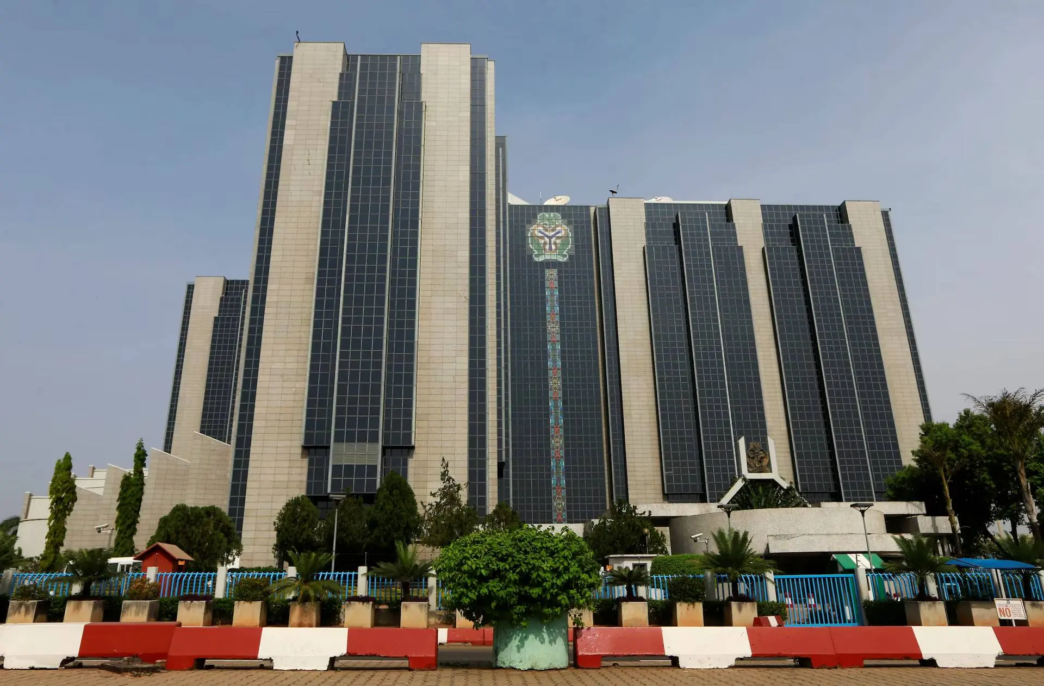
The Central Bank of Nigeria (CBN) cut its benchmark interest rate by 350 basis points to 23 per cent on Tuesday following moderating inflation figures.
The Monetary Policy Committee’s decision immediately triggered expectations of falling yields across the fixed-income market as investors adjust to lower interest rate conditions, with headline inflation dropping to 15.39 per cent in August.
Short-term instruments like Treasury bills and OMO bills will experience the most immediate impact, creating varied outcomes for investors.
Economist Chukwunonso Iheoma noted, “If Treasury bill and OMO yields decline further, investors seeking higher returns may increase their allocation to equities, corporate debt and longer-dated securities.”
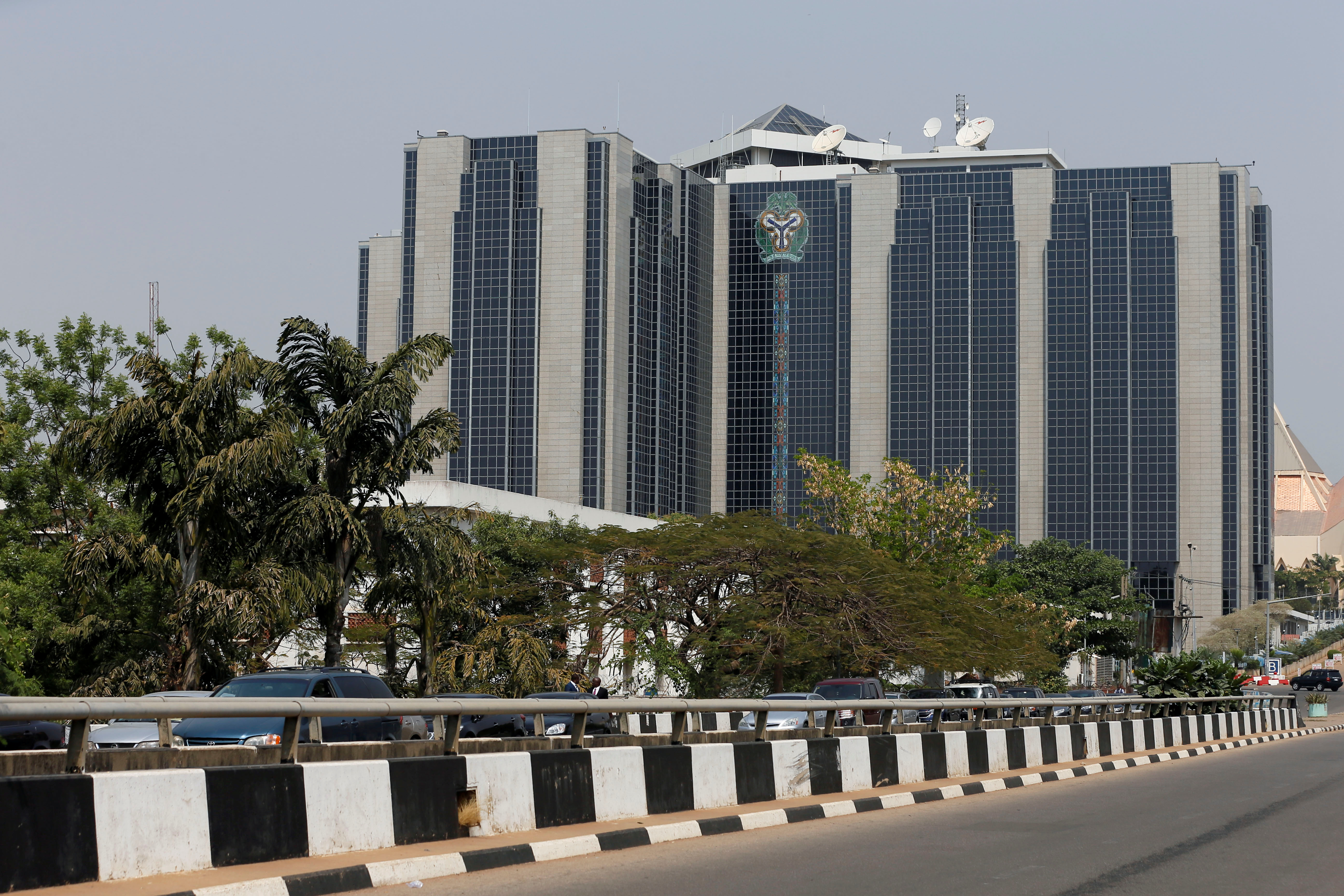
The Nigerian government also stands to lower its domestic borrowing and refinancing costs, though analyst Temitope Oduola stated that “the financial markets are likely to respond first through lower short-term yields.”