Trending
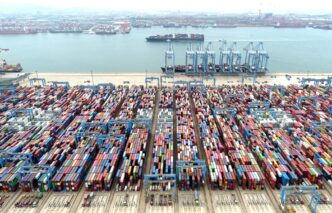
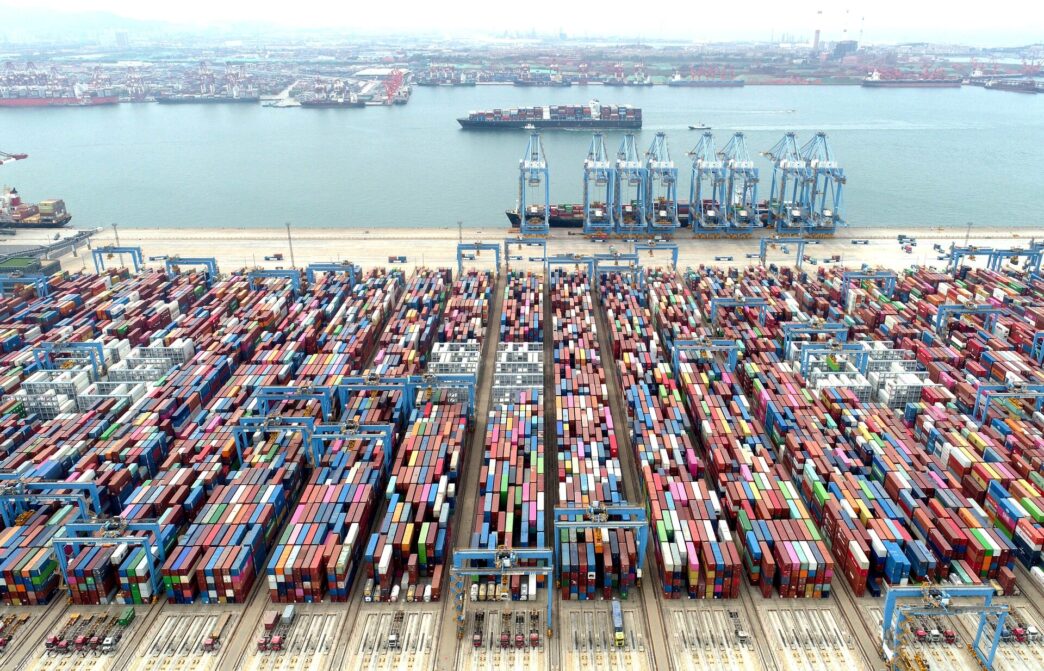
Chinese exports surged by nearly a fifth last month as strong shipments of tech components and machinery helped the economy weather pressures from the Middle East war.
The General Administration of Customs (GAC) reported a 19.4 per cent year-on-year jump in overseas shipments, driven largely by artificial intelligence and automotive exports.
This growth easily beat the 15.0 per cent forecast by economists and outpaced April’s 14.1 per cent increase, providing a bright spot for Beijing as it works to kickstart growth.
Imports also climbed dramatically, soaring 27.4 per cent year-on-year to beat expectations of 26.0 per cent.
This rise offers comfort to Chinese leaders who want to shift the nation’s economic engine away from heavy manufacturing and toward domestic consumption.
Furthermore, exports to the United States skyrocketed 35.4 per cent to reach $39 billion, up from $28.8 billion last year.
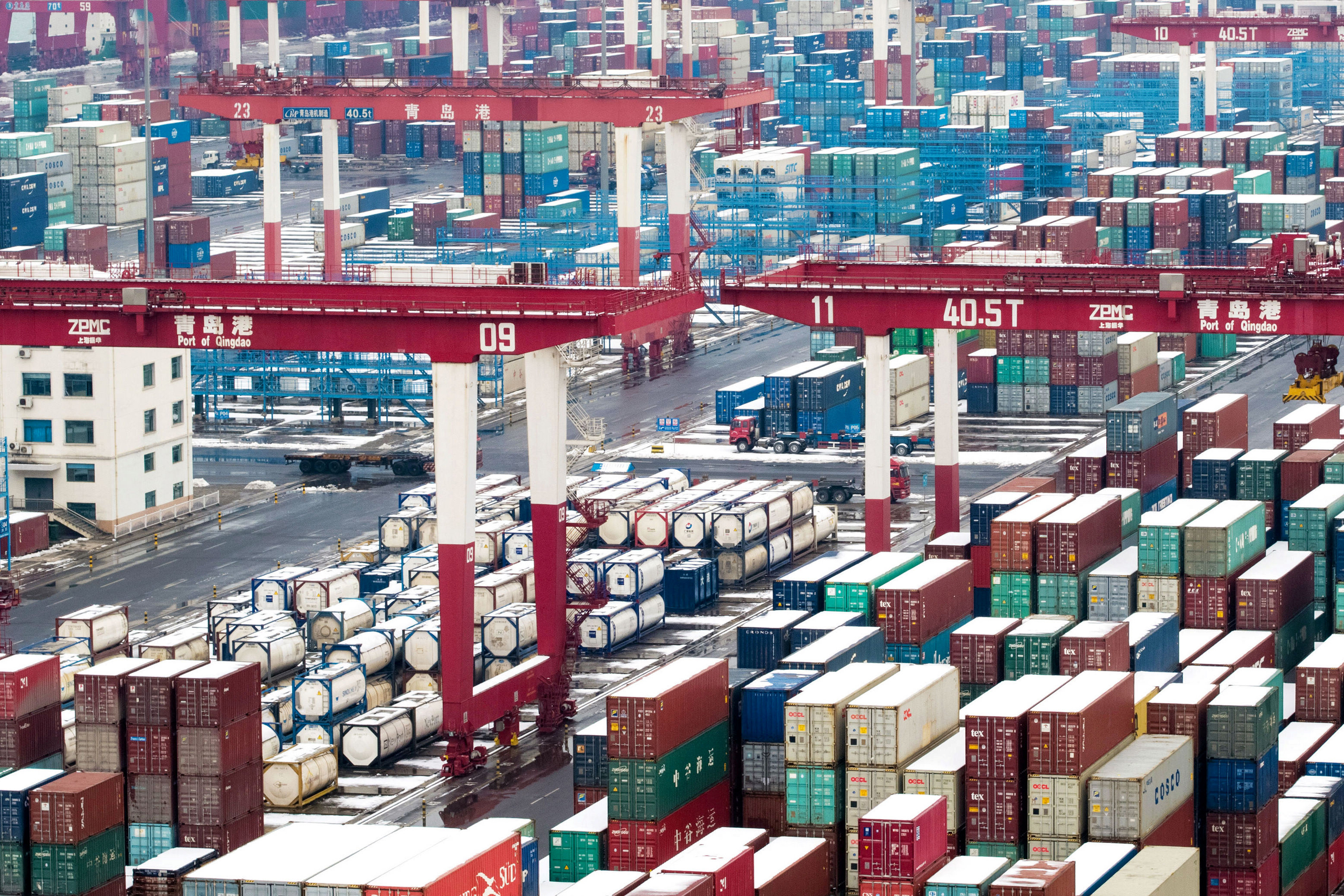
This surge occurred against a low base of comparison from last year’s trade frictions and coincided with US President Donald Trump’s visit to Beijing.
While analysts note that strong exports help offset weak domestic demand, they warn that rising trade surpluses could worsen global tensions.
Read More : Oil Prices Rise on Saudi Risk, Diesel Flow
China’s trade surplus expanded to $105 billion in May, fuelling fears of a “China shock 2.0” where a glut of cheap Chinese goods threatens international manufacturers.
The European Union has already signalled plans to protect its critical industries, with trade defences dominating upcoming G7 and EU summits.
Meanwhile, high energy costs from the Middle East war and shipping bottlenecks have flattened China’s domestic factory activity, raising raw material costs for local manufacturers.