Trending
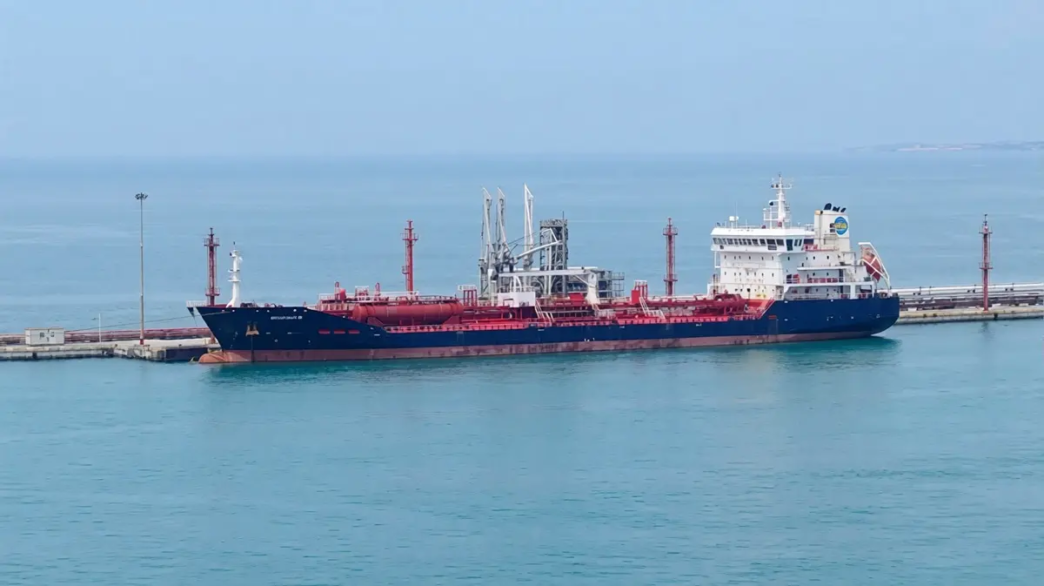
Cuba has rejected claims linking its government to 90 fuel shipments that United States authorities say they intercepted while en route to the Caribbean island.
Washington imposed a de facto energy blockade on Cuba in January, threatening sanctions against countries supplying fuel to the communist-run nation of 9.4 million people.
Under the restrictions, fuel can enter Cuba only through purchases made in the United States by private entrepreneurs. Official figures indicate that such imports meet just three per cent of the country’s fuel requirements.
US authorities announced that they had intercepted 90 fuel shipments intended for Enetec, a Cuban company sanctioned by Washington on July 13.
Jose Figueroa of the US Department of Homeland Security’s investigative office said at a press conference in Miami that the shipments were destined for the Cuban government.
However, Cuba’s Energy and Mines Minister, Vicente de la O Levy, denied any involvement in the transactions, telling reporters in Havana that his government had no connection to the deliveries or contracts for the purchases.
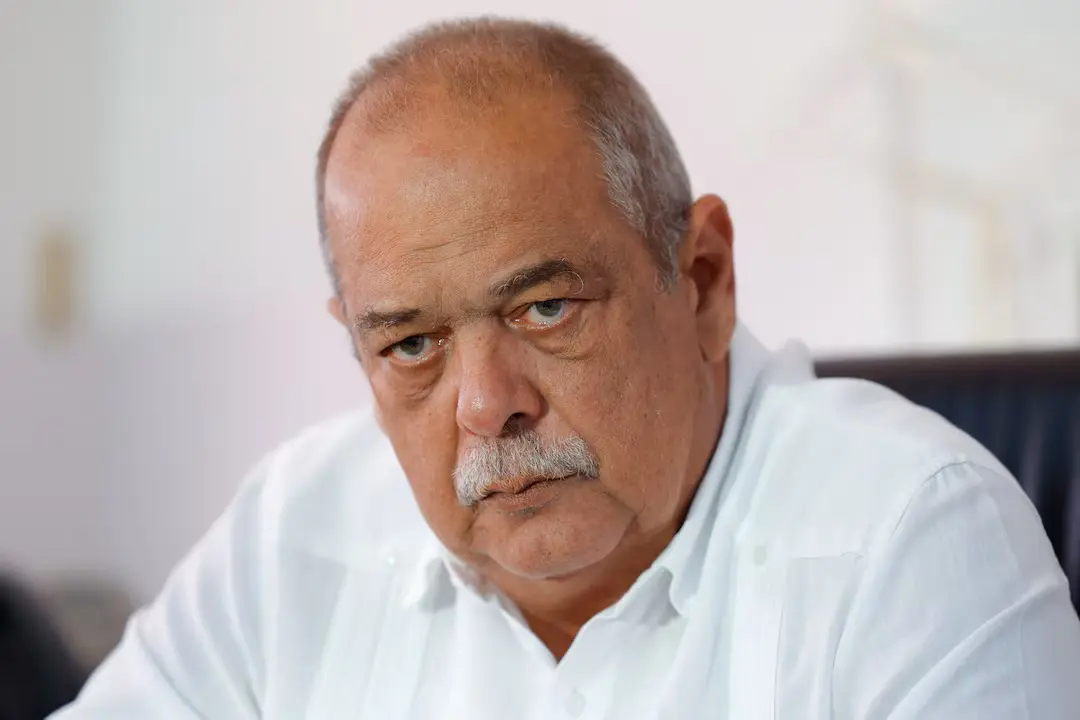
“Cuba has nothing to do with the delivery “,Vicente de la O Levy told reporters in Havana.
“We don’t even have contracts” for the purchases,” he added.
The dispute comes as US President Donald Trump has openly discussed taking control of Cuba, describing the island, located about 150 kilometres (90 miles) off Florida’s coast, as an extraordinary threat to US national security.
Read More : Iran Guards Say Struck Vessel in Hormuz
Washington’s pressure campaign coincides with a sharp increase in Cuba’s imports from the United States, driven largely by the island’s expanding private sector.
US data shows that Cuba imported goods worth more than $875 million between January and August, exceeding the total value of its imports for the whole of 2025.
The energy restrictions have deepened Cuba’s economic difficulties, with widespread electricity outages and food shortages affecting daily life across the island.