Trending

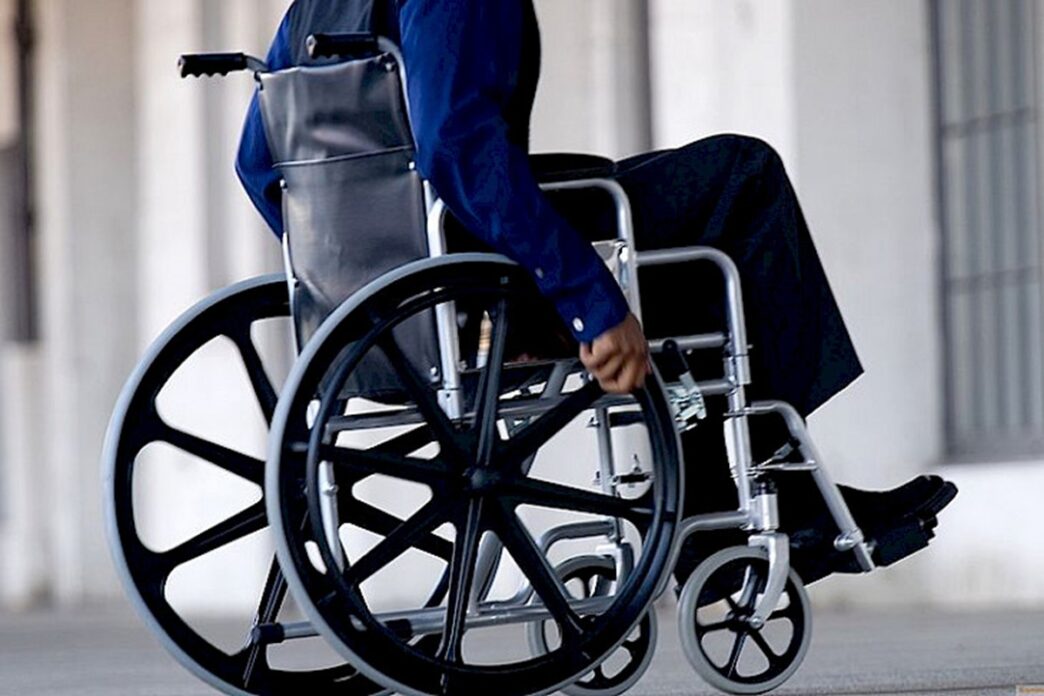
Nigerian disability rights activist Grace Jerry has called for a fundamental shift in how inclusion is approached in governance and public policy, insisting that persons with disabilities must be involved from the very beginning of decision-making processes rather than being added as an afterthought.
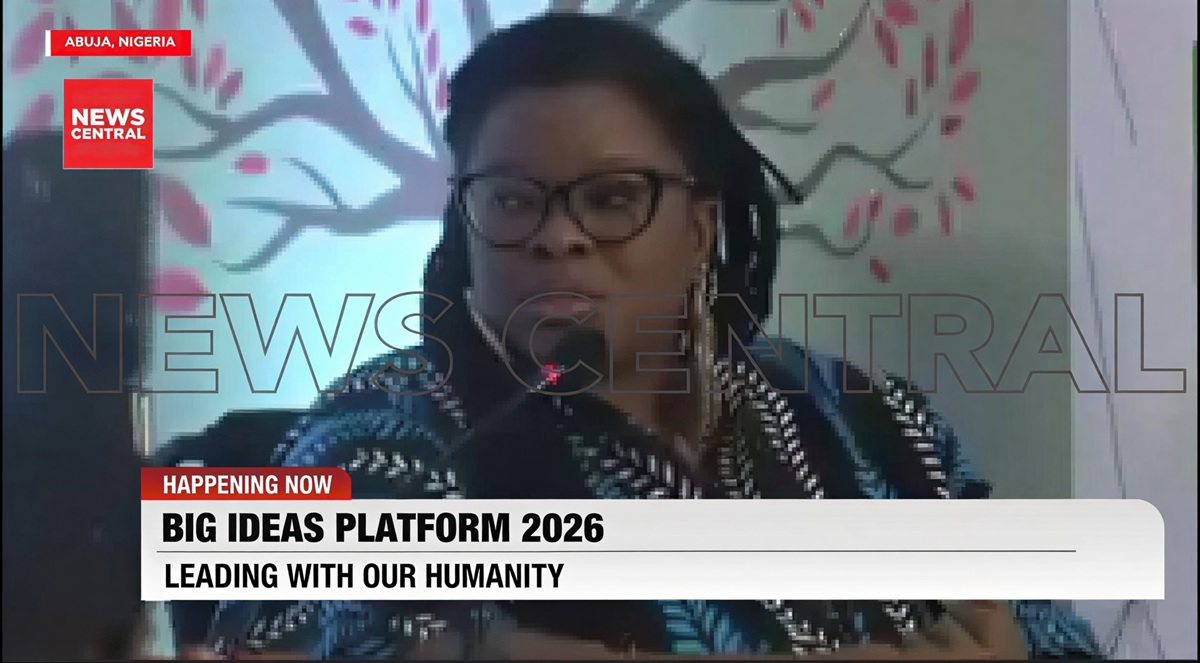
She made the remarks while speaking at The Big Ideas Platform in Abuja, a thought leadership forum convened by the FixPolitics Movement, which focuses on community-centred leadership, inclusion, innovation and transformative ideas shaping Africa.
“People with disabilities, children, women are often brought into the conversation as an afterthought…”
Disability rights activist @gracejjerry says governments should create inclusive policies from inception, shifting away from a charitable perspective towards people with… pic.twitter.com/SpXbEZZNE0
— News Central TV (@NewsCentralTV) May 22, 2026
Jerry said many policies and infrastructure projects are designed without considering persons with disabilities until after implementation, a practice she described as exclusionary and ineffective.
“People with disabilities, children, women, are often brought into the conversation as an afterthought. Already policies would have been written, transportation would have been launched, and structures would have been built before the thought comes in,” she said.
She stressed that the advocacy focuses on ensuring inclusion is embedded at the foundation of governance and policy formulation.
“Disability issues, inclusion issues come in from the very beginning. So when you talk about conversations around policies that are going to be formulated, how are persons with disabilities brought in from that very beginning? When you talk about designing the process, how are the thoughts and ideas of persons with disabilities brought on board so that every policy before it is even implemented, it’s already inclusive of the entire community?” she asked.
Jerry said inclusion must move beyond charity-based thinking to a rights-based framework that recognises equality and access for all citizens. She stated key areas such as education, employment, healthcare, sanitation, and economic empowerment where inclusion must be deliberately integrated.
“So for us, it’s a shift from the charity base to the right base where every human being is being considered equal with inherent right, with rights to gain employment, rights to gain economic empowerment, rights to have access to water sanitation and hygiene, especially for school-serving children with disabilities or an inclusive system of school where children would not just have access to these facilities but also would be enrolled in school, would also finish school,”she said.
Jerry also emphasised the role of young people in driving policy reform and innovation, saying they must be empowered to lead advocacy efforts.
She added that persons with disabilities should not only be beneficiaries of policy but active leaders in shaping it.
“And also for us, it’s a shift in terms of younger people driving the innovation when it comes to policy reforms. Because of the policy gaps that we have witnessed or encountered over time, we want to ensure that young people begin to drive policy reforms themselves. Because if you look at the society now, you would think that younger people, the interest they have is in something else. But the drama we just had this morning would show you that the younger people in our society are beginning to think in line with what change should be for them,” she said.
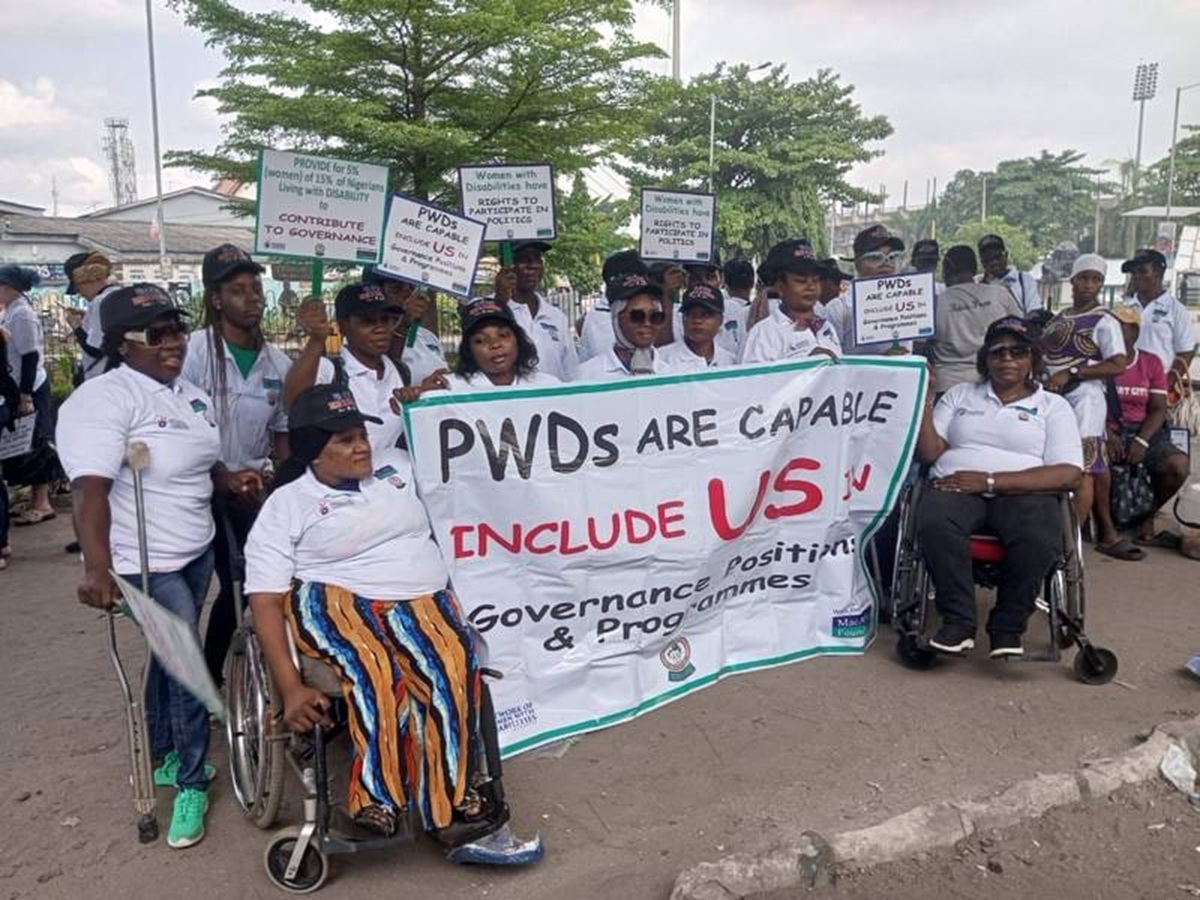
Jerry concluded that true inclusion requires intentional planning from the outset, ensuring that governance systems are built to serve everyone equally from the beginning.
“And so for us as inclusive friends or as leaders of disability movement, is to ensure that young people with disabilities lead policy reforms and become innovative in a way that they frame the messaging that would draw the attention of duty bearers, key stakeholders to bring about the change that we want to see.
“So when you talk about access to education, how can reforms around education be inclusive? That is our big idea. When you talk about access to hygiene and sanitation, how can the ministries that are saddled with this responsibility begin to take inclusion from the initial stage and even from the budgetary processes? When you talk about economic empowerment, how do you shift from welfare, from charity basis, how do you shift to self-sustaining economic empowerment for our women and girls in our society? So for us, that is a big idea,”she said.
“When you talk about reforms, it begins to become inclusive of our community from the get-go before it becomes an afterthought,”she added.