Trending


Democratic Republic of Congo (DRC)’s Minister of Health, Roger Kamba, announced on Thursday that the mpox outbreak is no longer a national emergency, following months without new confirmed infections.
According to the Africa Centres for Disease Control and Prevention, the DRC recorded over 161,000 suspected cases during the outbreak, with around 37,000 confirmed through laboratory testing. At least 2,286 suspected deaths were reported, though only 127 were lab-confirmed.
The Health Minister, however, told reporters in Kinshasa that the outbreak has been brought under control in the country.
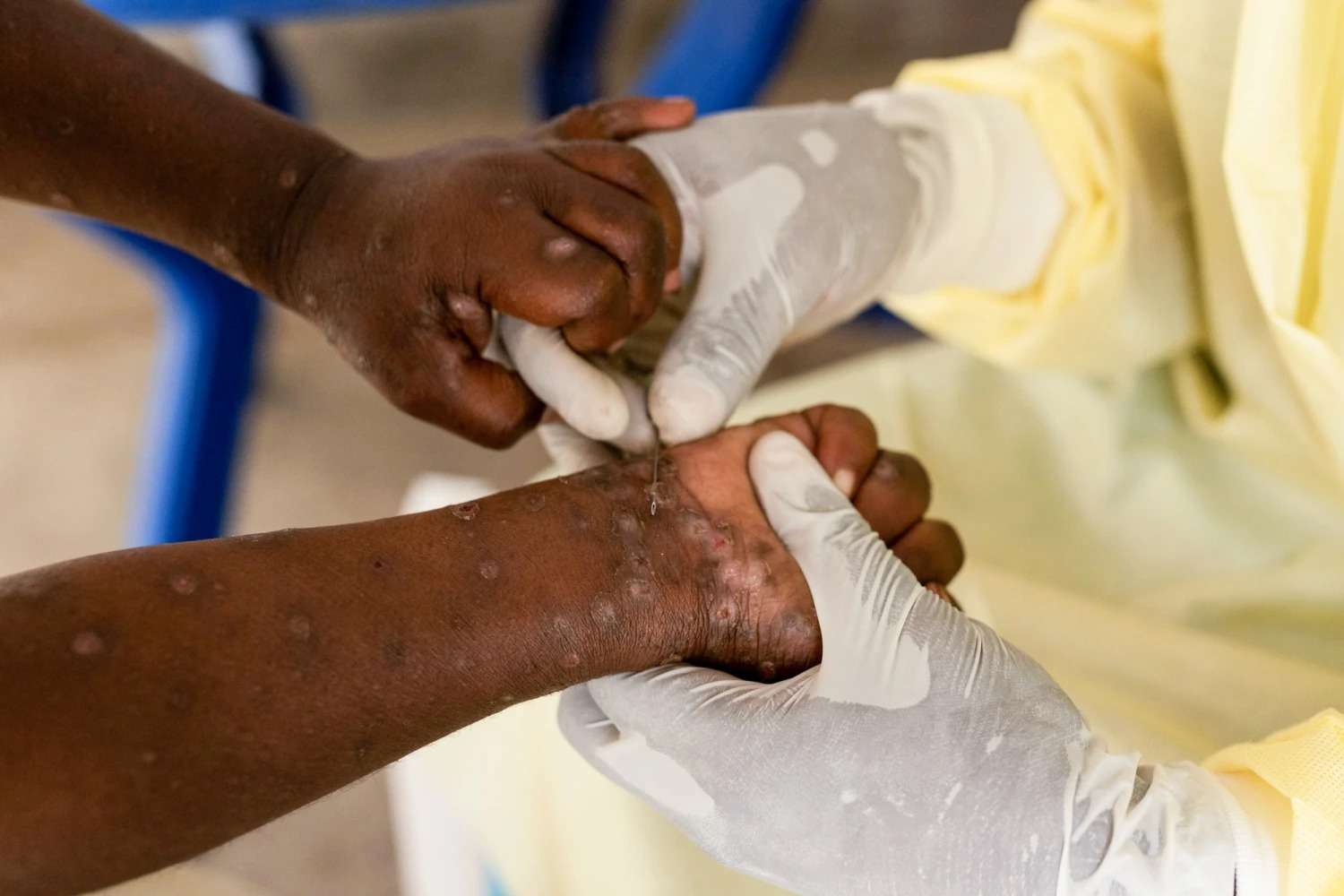
Mpox is a viral disease caused by the monkeypox virus, part of the same family as smallpox. It typically spreads through close physical contact with an infected person or animal.
According to the WHO, some common symptoms of mpox include a skin rash or mucosal lesions, which can last about two or four weeks. It is usually accompanied by fever, headache, muscle aches, back pain, low energy and swollen lymph nodes.
It was first identified in 1958 among laboratory monkeys. The first human case was recorded in 1970 in the DRC.
Since 2022, large outbreaks have occurred in several African countries, most severely in DR Congo, due to both animal‑to‑human transmission and sustained person‑to‑person spread.
A new strain, Clade Ib, began spreading in DR Congo and nearby countries, prompting the WHO to declare the situation a public health emergency of international concern in August 2024.
Researchers later discovered that the virus could be transmitted through sexual contact.