Trending
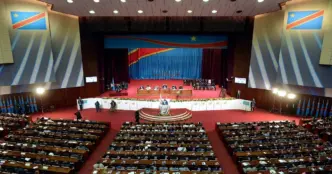
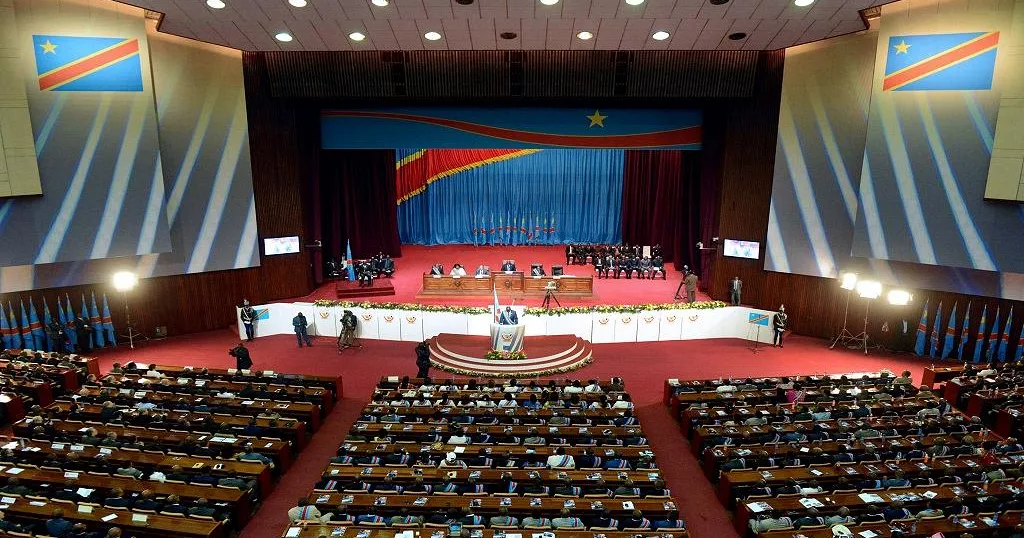
The Democratic Republic of Congo’s Senate passed a bill on Monday to hold referendums in the country, a move that could allow President Felix Tshisekedi to amend the constitution and seek a third term.
The Senate vote came three days after anti- and pro-Tshisekedi demonstrators clashed at a protest against the government’s plans to change the constitution, which the opposition condemns as a bid by the president to cling to power.
In office since 2019, Tshisekedi comes to the end of his second — and, under the current constitution, final — five-year term in 2028.
Read More : Surging Ebola Outbreak Overwhelms Congo
However, the 63-year-old president said last month that he would agree to lead the conflict-plagued country for a third term “if the people wish it,” following a referendum on constitutional reform.
The bill that passed the Senate, which cleared the lower house earlier this month, is a technical text on the organisation of referendums.
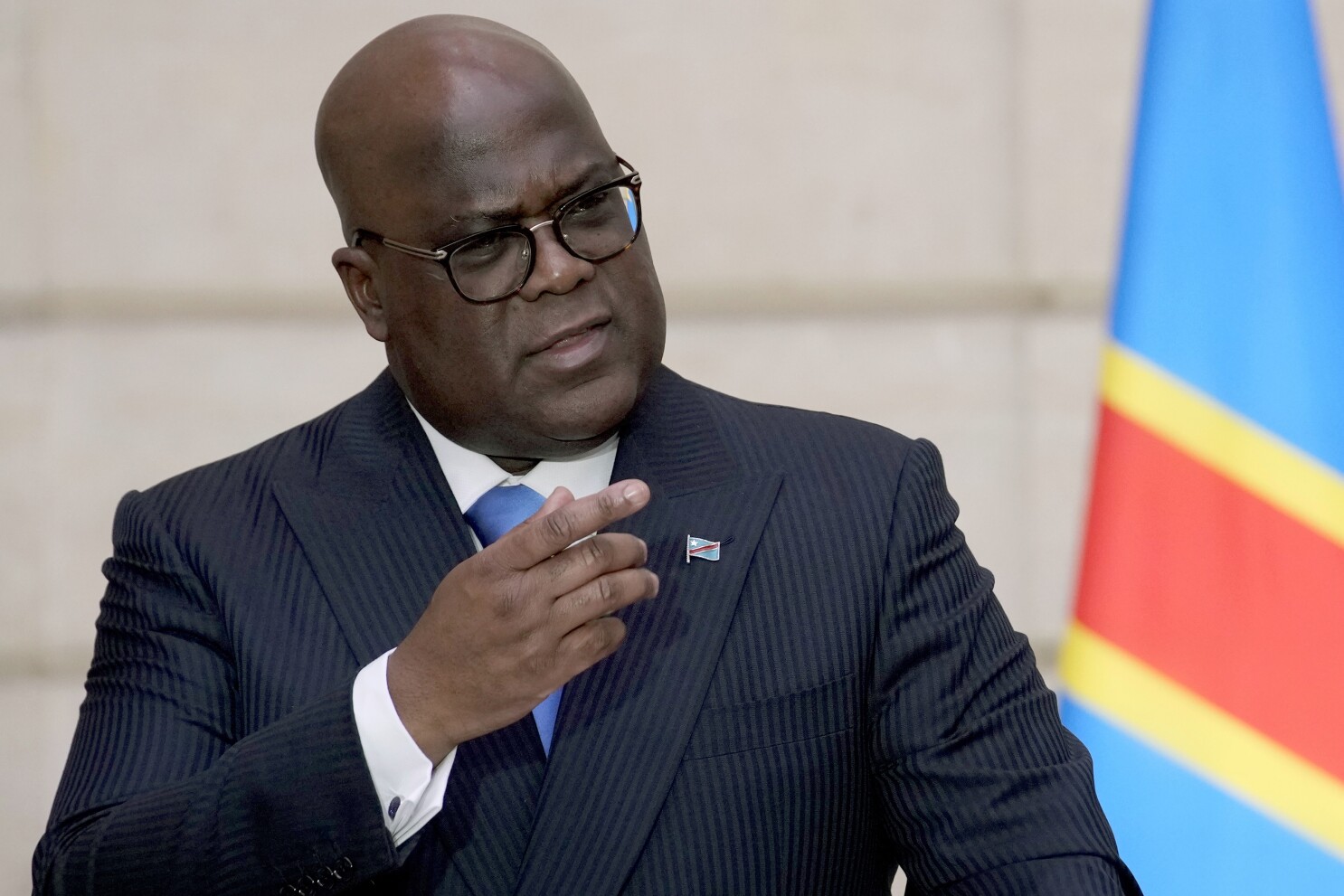
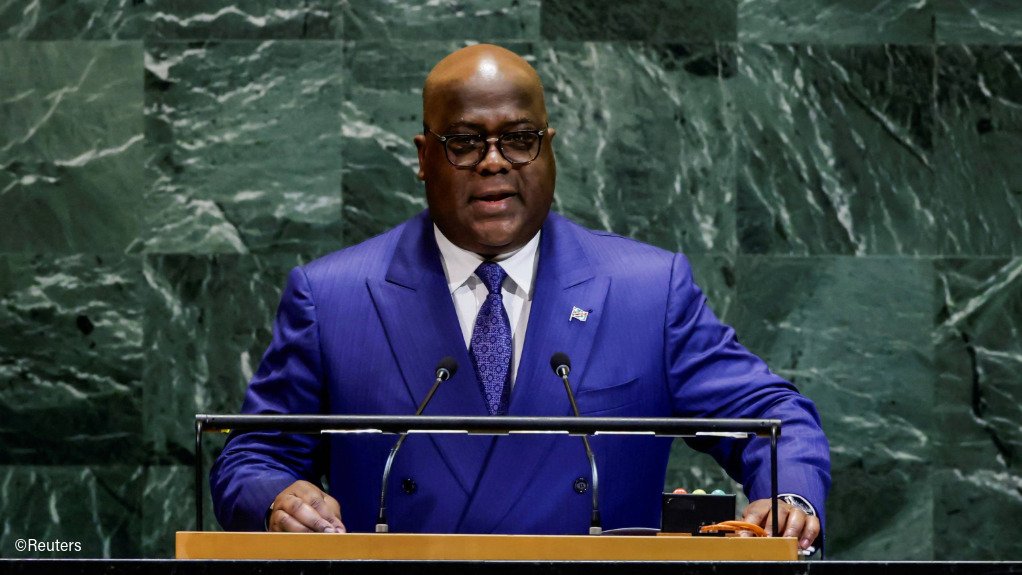
But it could pave the way for a push to remove the iron-clad two-term limit on presidents in the Congolese constitution.
The bill now needs the Constitutional Court’s green light, then would go to Tshisekedi to sign.
The DRC, a vast, impoverished central African country, is battling a deadly Ebola outbreak and the Rwanda-backed M23 armed group in its eastern region.
Tshisekedi has consolidated power, and his coalition holds a large majority in parliament.
The main opposition parties came together last month to form a coalition against what they see as the president’s attempt to cling to power.
Several opposition figures were wounded at Friday’s protest, which erupted into skirmishes with government supporters and police, AFP journalists said.
No official toll was released, but local rights groups said two bodies had been recovered.