Trending
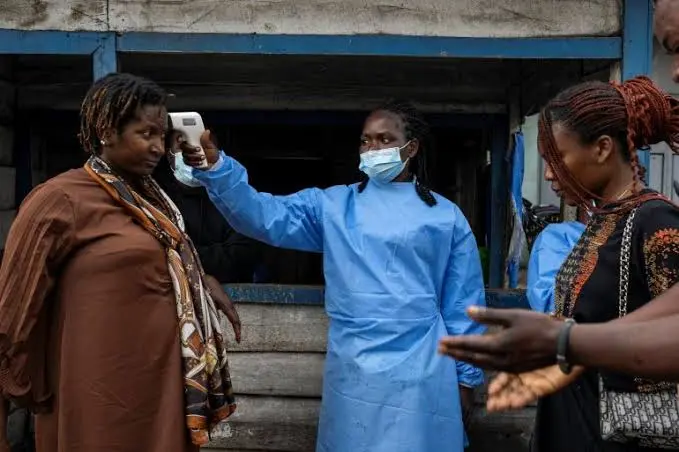
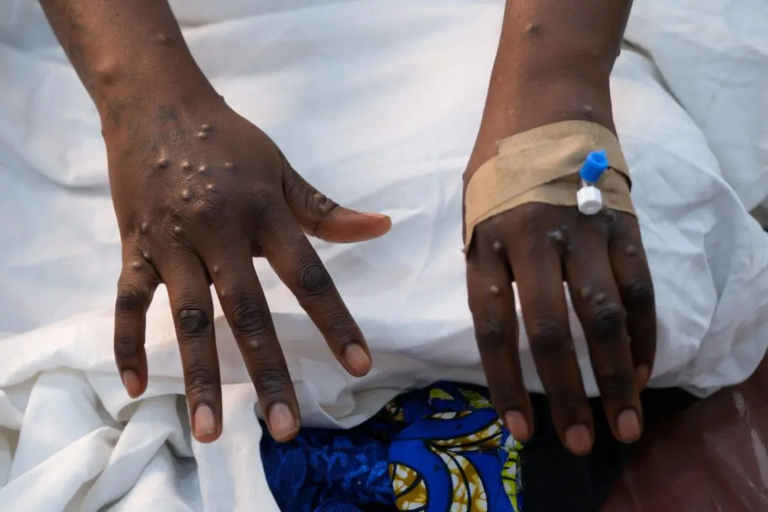
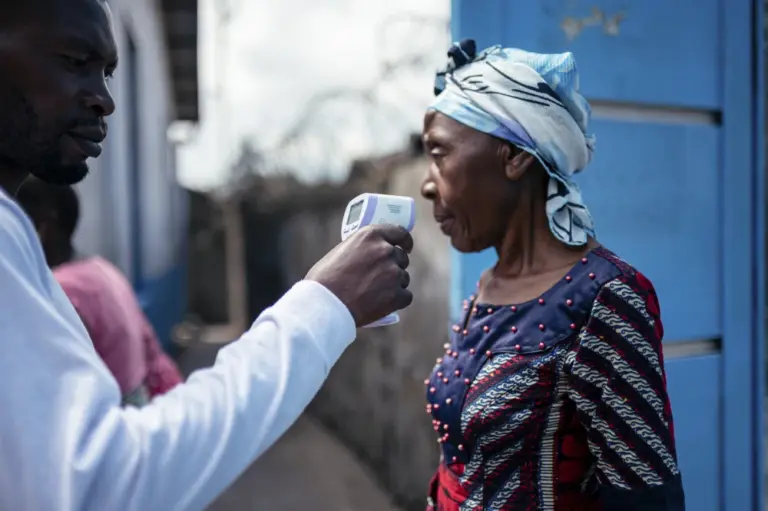
The World Health Organisation (WHO) has said that the Ebola outbreak, which has claimed more than 100 lives in the Democratic Republic of the Congo (DRC), is not a global pandemic.
WHO Director-General Tedros Adhanom Ghebreyesus told journalists during the 79th World Health Assembly on Wednesday that the risk remains high at both regional and national levels.
The Bundibugyo strain of the Ebola virus has no approved vaccine. Ghebreyesus said the WHO is working with community leaders in the epicentre province of Ituri to help prevent wider transmission in the absence of a vaccine.
Read More : DR Congo Ebola Deaths Surpass 4,000
The DRC has been affected by violent conflict for decades, contributing to chronic vulnerability among the population, including healthcare workers operating amid ongoing insecurity.
WHO’s Dr Marie Roseline Belizaire said that despite the violence in the DRC, WHO teams remain present in Goma and will continue to support affected communities.
“We never left Goma during all the insecurity happening, so we will continue staying to provide the security to the community we serve,” she said.
WHO Regional Director for Africa, Mohamed Janabi, explained that effective disease surveillance depends on reliable community reporting, functional health facilities, and laboratory confirmation of infection.
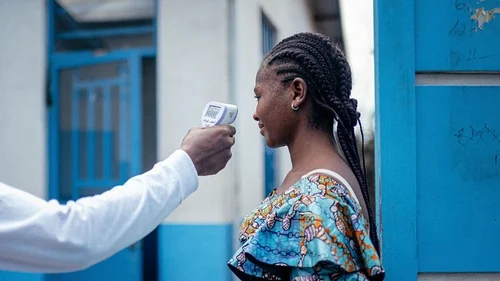
“In remote or insecure areas, it can take time for cases to be recognised,” he said, noting that the Ebola Bundibugyo virus was only identified after samples were transported about 1,700 kilometres (1,056 miles) to the capital, Kinshasa.
WHO Technical Officer for Viral Haemorrhagic Fevers, Anais Legand, said investigations were launched immediately after the alert was raised.
“As soon as WHO was aware of the [threat], support was provided to the DRC to investigate as quickly as possible. This resulted in confirmation late last week,” she said.
She added that investigations were ongoing to determine when and where the outbreak began, noting that it likely started a couple of months earlier, although findings were still being verified. The priority, she said, was to cut the chain of transmission.
The chair of the panel, Prof Lucille Blumberg, stressed that Ebola spreads through direct contact with the blood and body fluids of infected persons. She said this was likely the case of a patient who died on May 5 in Bunia, the capital of Ituri Province, after their family attempted burial procedures.
“So, it’s not casual contact, it’s not airborne. I think we need to be aware of that. And this relates to travel restrictions, which are not supported under the (International Health Regulations) IHR recommendations,” she said.
The WHO declared the Ebola outbreak a public health emergency, not a global pandemic, on Sunday.