Trending
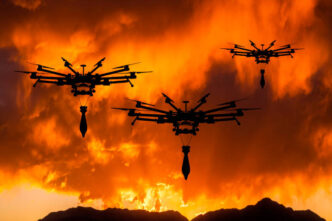
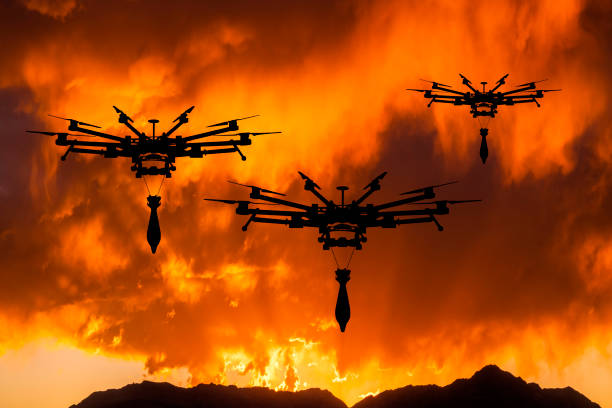
A drone operated by Sudan’s paramilitary Rapid Support Forces hit a civilian vehicle in greater Khartoum on Saturday, killing all five people aboard, according to a legal advocacy group tracking the country’s conflict.
Emergency Lawyers said the attack occurred on the Jammouiya Triangle road in southern Omdurman, a district just across the Nile from the capital’s centre.
The vehicle was heading from the Sheikh al-Siddiq area in White Nile state, roughly 90 kilometres (56 miles) south of Khartoum.
Read More : Abia Arrests 86 Over Sanitation Violations
The strike marks the second time this week that drones have struck the capital region.
On Tuesday, a hospital in the Jebel Awliya area, about 40 kilometres (25 miles) south of central Khartoum, was hit, security sources and witnesses told AFP.
Tuesday’s hospital strike was the first drone attack in the capital in months.
The army had retaken the Jebel Awliya area from the RSF about a year ago, ending the paramilitary group’s last foothold in Khartoum state before it was pushed west toward its Darfur stronghold.
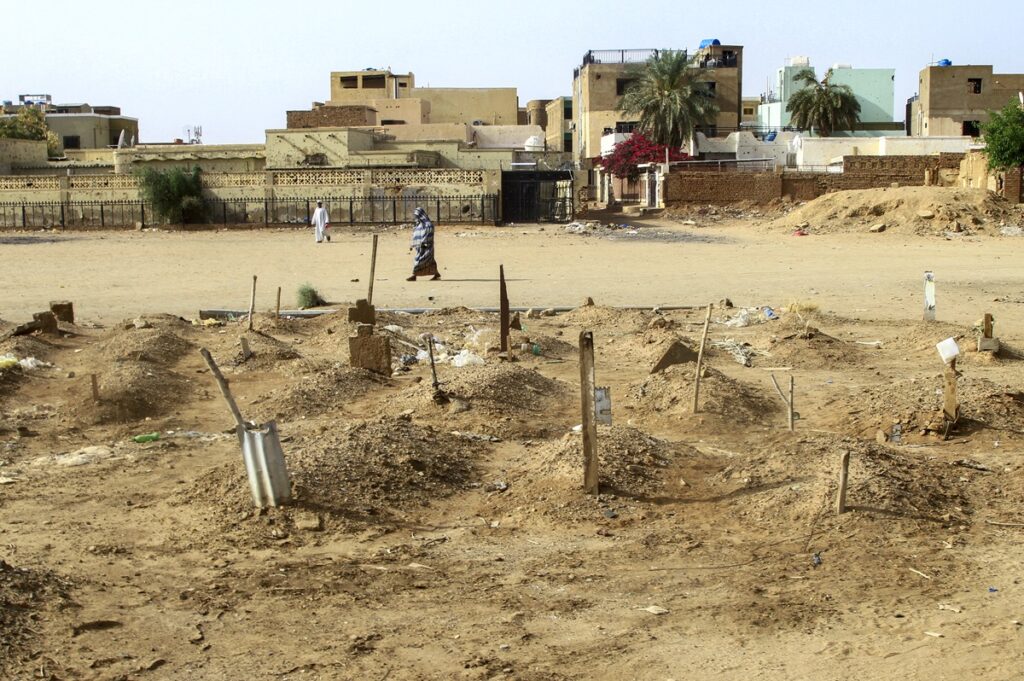
Both sides in Sudan’s war, the army and the RSF, have ramped up drone warfare in recent months, with some single strikes killing dozens of people.
Last year, the RSF launched multiple drone attacks on Khartoum, mainly aimed at military sites, power plants and water infrastructure.
Despite the recent strikes, the capital has seen relative peace in recent months.
More than 1.8 million displaced people have returned, and the airport has restarted domestic flights. Still, large parts of the city remain without electricity or basic services.
Read More : Gbajabiamila Denies PFIPC Allegations
Most fighting has now moved to Darfur, where the army lost its last base in October, and to Kordofan, where the RSF is trying to take back control of Sudan’s main east-west highway.
Violence has also spread to Blue Nile state in the southeast, near the Ethiopian border, raising concerns that the conflict could become more drawn-out and fragmented.
Sudan’s war, now in its fourth year, has killed tens of thousands, some estimates put the death toll above 200,000, displaced millions and created one of the world’s worst humanitarian crises.