Trending

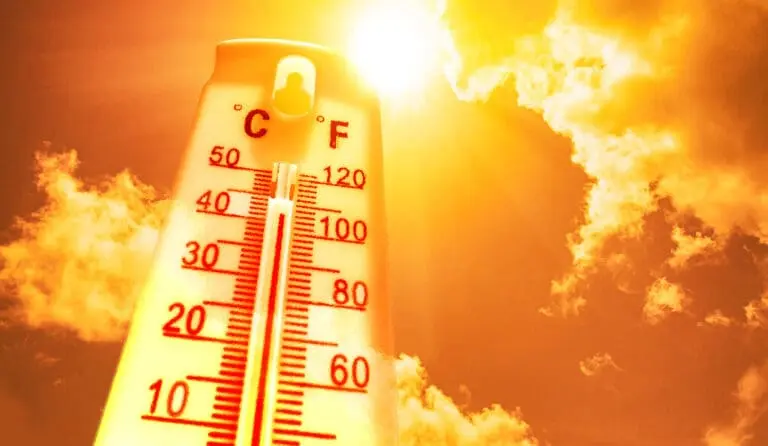
Lagos is particularly vulnerable to rising temperatures, a state official has warned, noting the city’s dense population, rapid urbanisation, and limited green spaces as factors that intensify the urban heat effect.
Tokunbo Wahab made the warning in a public advisory on Sunday, as the state prepares for possible extreme heat conditions associated with a strengthening El Niño climate pattern and the transition into the dry season.
“As a densely populated and rapidly urbanising coastal city, Lagos is particularly vulnerable to rising temperatures,” Wahab said in a post on his X handle on Sunday.
Read More : Tinubu Vows to ‘Fully Develop’ Nigeria
“Our densely built-up neighbourhoods, roads and limited green spaces can intensify the urban heat effect, making conditions more challenging for many residents.”

He noted that the anticipated conditions could increase heat discomfort, dehydration, respiratory challenges, and poor air quality, particularly among vulnerable groups, including children, older persons, pregnant women, and outdoor workers.
Wahab urged residents, community leaders, and employers to prioritise access to clean drinking water, shaded spaces, and proper ventilation.
He also advised residents to stay hydrated, avoid prolonged exposure to direct sunlight, wear light clothing, limit strenuous outdoor activities during the hottest hours, and avoid open burning of refuse.
“Beyond immediate precautions, we must confront the environmental factors that worsen urban heat. Protect our trees, plant more, preserve our green spaces, dispose of waste responsibly and desist from activities that degrade our environment,” he added.
“Keeping Lagos safe from the impacts of extreme heat requires action from all of us.
“Government will continue to strengthen public awareness and collaborate with relevant agencies and stakeholders to improve preparedness and response. But every household, street, community and business has a role to play.
“Let us act early, look out for one another and take collective responsibility for building a cooler, healthier and more climate-resilient Lagos.”
As Lagos prepares for possible extreme heat conditions associated with the strengthening El Niño climate pattern and the transition into the dry season, I urge all residents to take necessary precautions to protect their health and wellbeing.
As a densely populated and rapidly urbanising coastal city, Lagos is particularly vulnerable to rising temperatures. Our densely built-up neighbourhoods, roads and limited green spaces can intensify the urban heat effect, making conditions more challenging for many residents.
The anticipated conditions could increase heat discomfort, dehydration, respiratory challenges and poor air quality, particularly among vulnerable groups, including children, older persons, pregnant women and outdoor workers.
I therefore call on every Lagos resident, community leader, market association, school, business owner and employer to take this advisory seriously. Let us make access to clean drinking water, shaded spaces and proper ventilation a priority, especially for those who work outdoors and those most at risk.
Residents are also urged to stay hydrated, avoid prolonged exposure to direct sunlight, wear light clothing, limit strenuous outdoor activities during the hottest hours and avoid open burning of refuse.
Beyond immediate precautions, we must confront the environmental factors that worsen urban heat. Protect our trees, plant more, preserve our green spaces, dispose of waste responsibly and desist from activities that degrade our environment.
Keeping Lagos safe from the impacts of extreme heat requires action from all of us. Government will continue to strengthen public awareness and collaborate with relevant agencies and stakeholders to improve preparedness and response. But every household, street, community and business has a role to play.
Let us act early, look out for one another and take collective responsibility for building a cooler, healthier and more climate-resilient Lagos.
— Tokunbo Wahab (@tokunbo_wahab) November 1, 2026