Trending
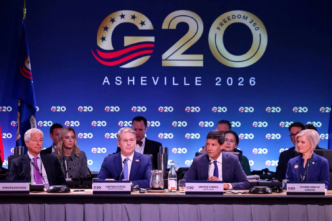
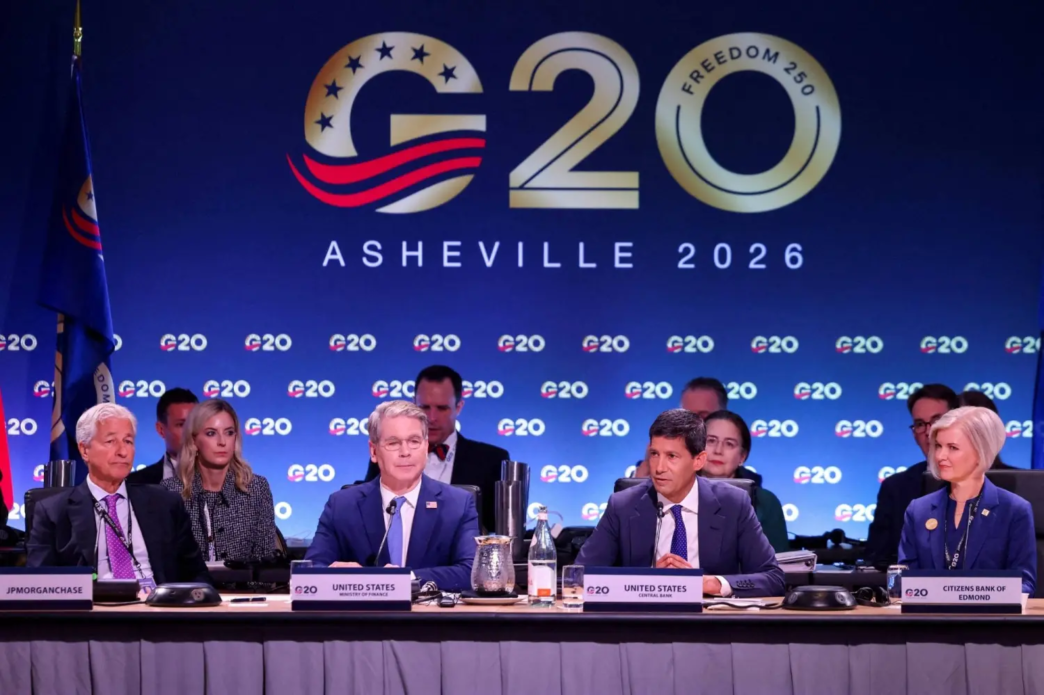
G20 finance leaders concluded their two-day summit in Asheville, North Carolina, with China breaking ranks on key portions of the final statement.
At the same time, European allies voiced outrage over the presence of Russian Finance Minister Anton Siluanov.
Despite European complaints that hosting Moscow’s representative normalised Russian aggression in Ukraine, US Treasury Secretary Scott Bessent defended Siluanov’s inclusion and insisted the talks remained effective.
European officials demonstrated their opposition by excluding Siluanov from the official group photo, while Canadian and EU representatives noted that his arrival caused significant discomfort during sensitive economic discussions.
Deep divisions also surfaced over international trade and maritime security, particularly regarding the Middle East conflict and Chinese economic policy.
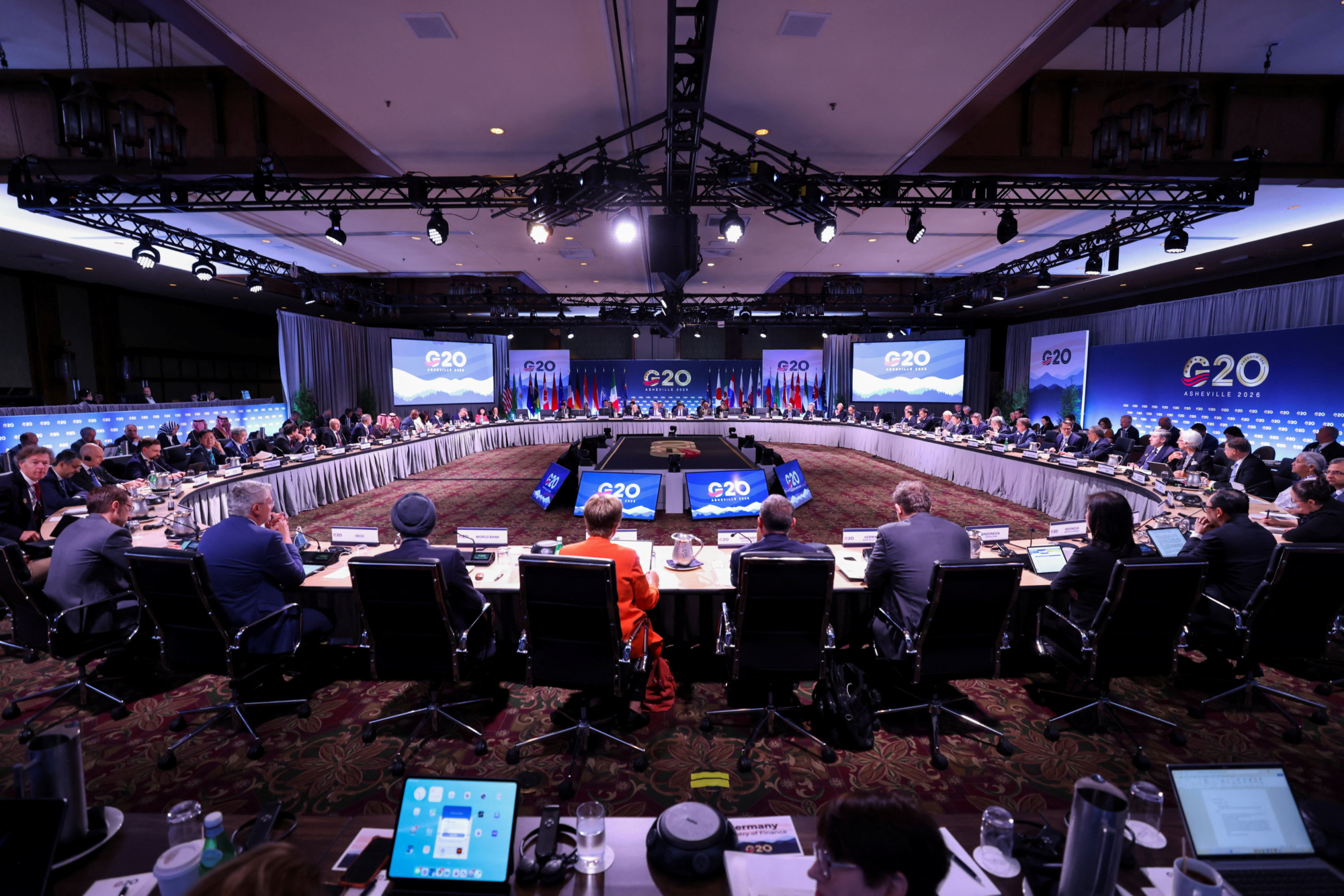
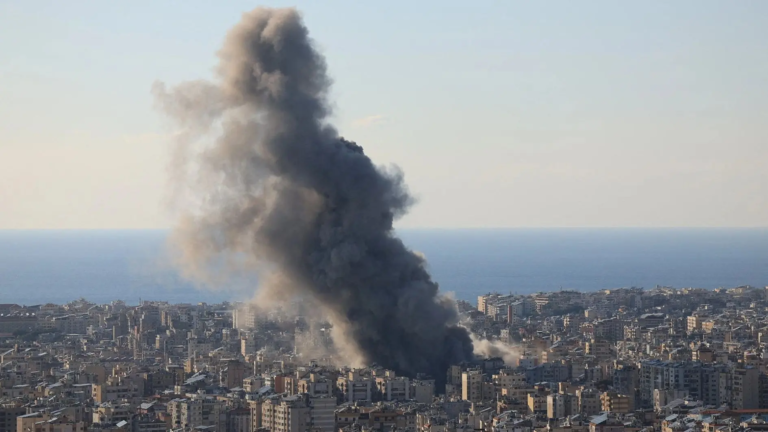
China dissented from a section of the chair’s statement calling for safe navigation through the Strait of Hormuz, which remains largely blocked following US-Israeli strikes on Iran.
Beijing further resisted language addressing persistent global trade imbalances, which other member nations argued create economic distortions through Chinese industrial overcapacity.
Amid these broader geopolitical friction points, European ministers used the gathering to reinforce their support for Ukraine following intensified Russian missile strikes on Kyiv.
On the sidelines of the summit, G7 finance ministers met remotely with Ukraine’s finance minister to discuss ongoing financial aid.
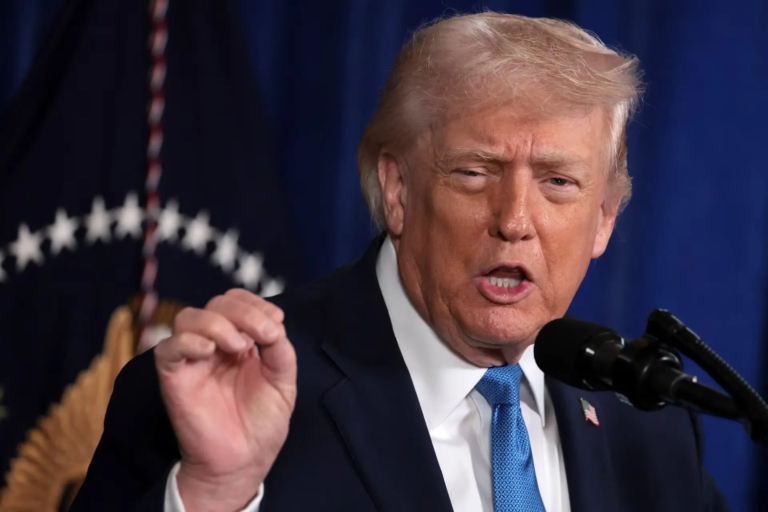
Meanwhile, Washington continued using its G20 presidency to press allies for tougher sanctions against Iran and to lay the groundwork for President Donald Trump’s upcoming leaders’ summit in Miami this December.