Trending
The cost of a healthy diet has increased 25 percent in the past five years, putting it out of reach for one-third of the global population, according to figures released Wednesday by the United Nations.
The increased cost of food makes a healthy diet require an average of $4.28 purchase power parity dollars per person per day, per the UN Food and Agriculture Organisation’s 2026 State of Food Security and Nutrition in the World report.
“As a result, 2.69 billion people — almost one in every three people in the world — still cannot afford a healthy diet,” Maximo Torero Cullen, the FAO’s chief economist, told a press conference at UN headquarters in New York.
The full report will be presented on July 21 at the organisation’s headquarters in Rome.
The costs are not distributed equally — staple foods such as beans and grains, for instance, account for 13 percent of the cost of a healthy diet, while animal products account for nearly 30 percent, and fruits and vegetables make up 16 percent.
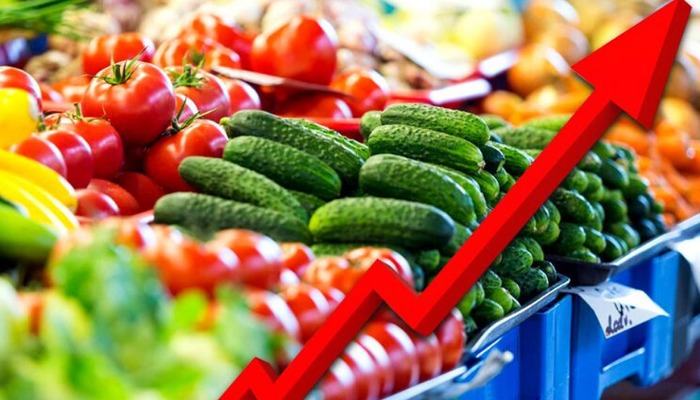
“The challenge therefore is not to produce enough calories, it is making nutrient-rich foods more affordable,” Torero said, adding that local food production would greatly reduce the costs associated with a healthy diet.
In Africa, costs would be reduced by almost 80 percent with locally produced foods versus a standardized global food basket.
The FAO economist recommended redirecting government subsidies toward more nutrient-rich foods than cereals, like rice and wheat.
He also noted that the investment in local infrastructure and logistics would significantly reduce costs, as “between 70 and 75 percent of the cost of a healthy diet is generated after food leaves the farm.”
Torero said the part of the world with the highest costs was Latin America, specifically the Caribbean, possibly due to the emphasis on exporting food products rather than creating enough to lower local prices.
For the coming year, Torero highlighted two uncertain factors that could affect food prices: the closure of the Strait of Hormuz, which would further disrupt the global fertilizer supply, and the impacts of the “very strong” El Nino weather pattern, which is expected to peak toward the end of 2026.