Trending

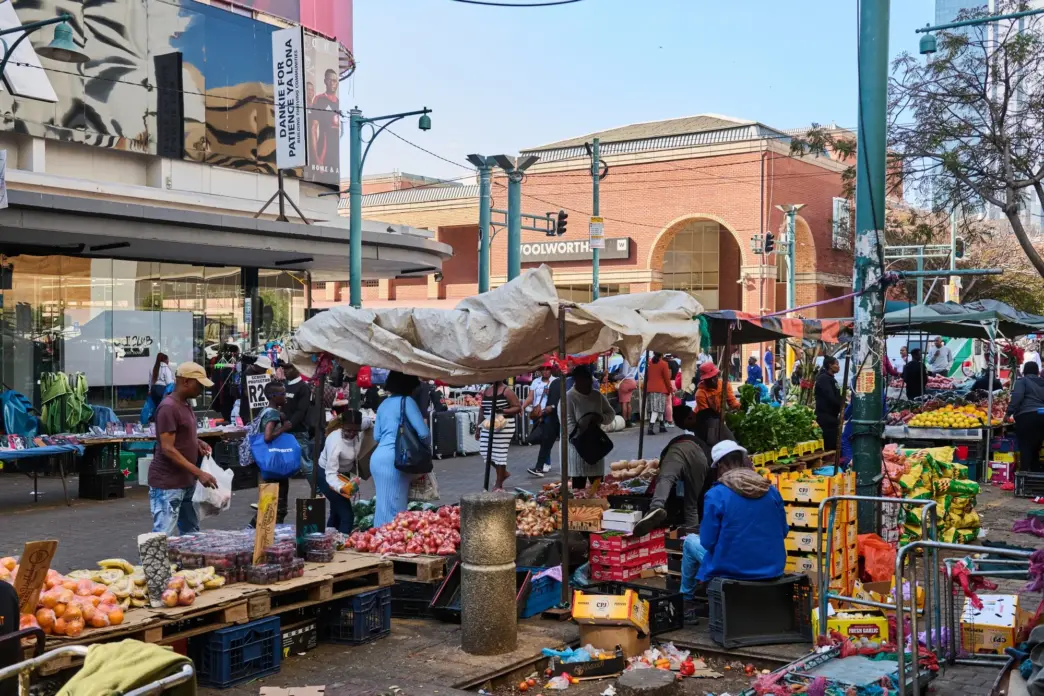
The IMF, in its latest Article IV consultation on Wednesday, said economic activity “picked up in 2025,” with growth estimated at 1.3 percent, supported by “robust private consumption.”
Inflation moderated to an average of 3.2 percent, enabling a shift to a lower 3 percent inflation target, IMF said.
It added that the current account remained stable considering higher US tariffs and global uncertainty, and the banking sector “remains sound.”
However, public debt has risen further, reaching 77 percent of GDP at the end of March 2025, according to the IMF.
Growth will “accelerate to 1.4 percent in 2026, reaching 1.8 percent in the medium term,” according to IMF projections, caused by investment and consumption spurred by structural reforms.
The organisation noted that inflation is expected to reach the 3 per cent target by the end of 2027. Still, although fiscal deficits are moderating, “they remain elevated,” and public debt is projected to continue rising over the medium term.
“Risks are tilted to the downside, mainly stemming from global fragmentation, trade tensions, and domestic reform fatigue, while upside risks include faster reform implementation and stronger global growth,” the IMF added.
The fund said its executive directors “commended the authorities for maintaining macroeconomic stability and strengthening economic resilience amid a challenging global environment,” but noted “downside risks and entrenched structural impediments that constrain potential growth and employment.”
Against this background, IMF noted the need for “well-coordinated policies and reforms to safeguard fiscal sustainability, secure low and stable inflation, ensure financial stability, and achieve higher and inclusive growth.”
It also brought up the need for “credible, growth-friendly, and socially acceptable fiscal consolidation to stabilise and reduce public debt while protecting priority spending.”
A fiscal rule anchored in “a prudent debt ceiling” could help adjustment and bolster credibility, IMF said.
The Global Monetary Fund also “commended the South African Reserve Bank for reducing inflation” and welcomed the move to a lower 3 percent target with a narrower band, which should support macroeconomic stability and reduce borrowing costs.
IMF recommended maintaining “a flexible and data-driven approach” and said “careful communication and gradual implementation of the new target are key to maintaining credibility, while preserving flexibility in case of shocks.”
On financial stability, the IMF’s directors also welcomed reforms that enabled South Africa’s exit from the Financial Action Task Force “grey list,” and urged continued monitoring of risks related to non-performing loans and the sovereign–financial sector nexus.
The fund further supported ongoing electricity and logistics reforms aimed at removing “critical impediments to growth” and encouraged their “resolute implementation,” alongside measures to strengthen governance, combat corruption, improve the flexibility of the labor market, address spatial disparities, and deepen trade diversification.