Trending
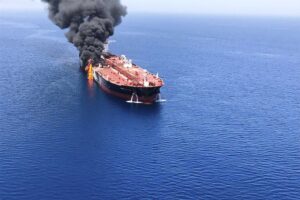
Iran has closed the Strait of Hormuz after a vessel allegedly travelled through an unauthorised route and was intercepted, warning that any retaliation over the incident would receive a “severe response.”
The Navy of Iran’s Islamic Revolutionary Guard Corps (IRGC) said the vessel ignored warnings to change course before it was struck and brought to a stop.
In a statement, the IRGC Navy said the ship had “jeopardised maritime security” by switching off its tracking systems. It added that several vessels had attempted to pass through the waterway using an unauthorised route.
Read More : Shettima Returns From UNGA 81
The IRGC said the strait would remain closed “until further notice” and until “the end of U.S. interference in this region.”
“Acts of aggression against Iran will be met with a severe response, and new enemy bases in the region will be targeted,” the Navy said.
The closure has already pushed up energy prices and raised fears of further economic pressure worldwide.
The United States has demanded that Iran stop attacks on ships in the strait and allow free movement through the waterway without imposing any charges.
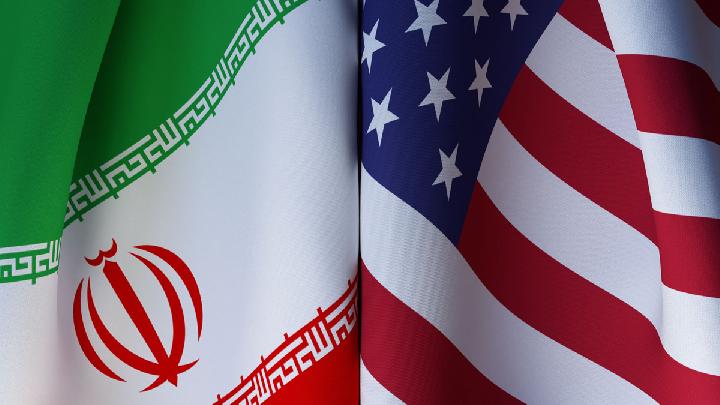
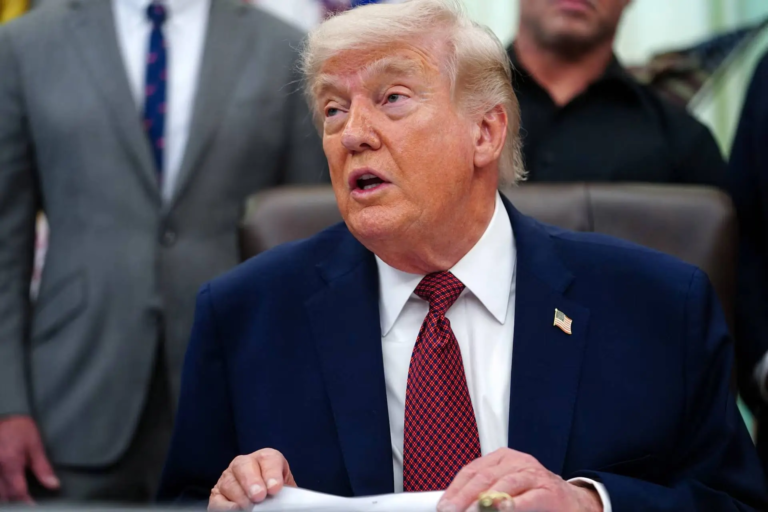
U.S. President Donald Trump said on Friday that Washington and Tehran had agreed to continue talks despite renewed hostilities, but he also declared that the ceasefire agreement was over.
“We have agreed to continue talks, but the United States has stated to them, in no uncertain terms, that the ceasefire is OVER!” Trump said.
Diplomatic efforts are ongoing, with Oman, Qatar and Pakistan involved in attempts to reduce tensions.
Iran’s Foreign Minister Abbas Araqchi and Oman’s Foreign Minister Sayyid Badr Albusaidi held discussions on ways to ensure safe passage for ships through the Strait of Hormuz.
Oman said talks would continue at both technical and political levels.
The latest crisis followed attacks on commercial tankers in the Gulf, which led to U.S. strikes on Iranian targets and Iran’s response with attacks on American military positions in the region.
Araqchi accused the U.S. of violating the ceasefire agreement, saying: “There can only be mutual compliance.”
Read More : Trump Offered China Arms Deal, Envoy Says
Meanwhile, Iran’s new Supreme Leader, Ayatollah Mojtaba Khamenei, has vowed revenge over the killing of his father and predecessor, Ayatollah Ali Khamenei, who died during U.S.-Israeli strikes earlier this year.
“We pledge to avenge the blood of the martyred leader and all the martyrs,” Mojtaba Khamenei said.
Statements from both Washington and Tehran have increased uncertainty about efforts to end the conflict, as mediators continue to push for a diplomatic solution.