Trending


Iran’s Foreign Ministry said on Monday that Tehran and Oman had held their first meeting on the future management of the Strait of Hormuz since Iran and the United States reached a preliminary agreement to end the Middle East conflict.
The meeting took place in Muscat under the newly established Joint Hormuz Committee, where both countries reviewed issues relating to the strategic waterway and discussed future administrative arrangements.
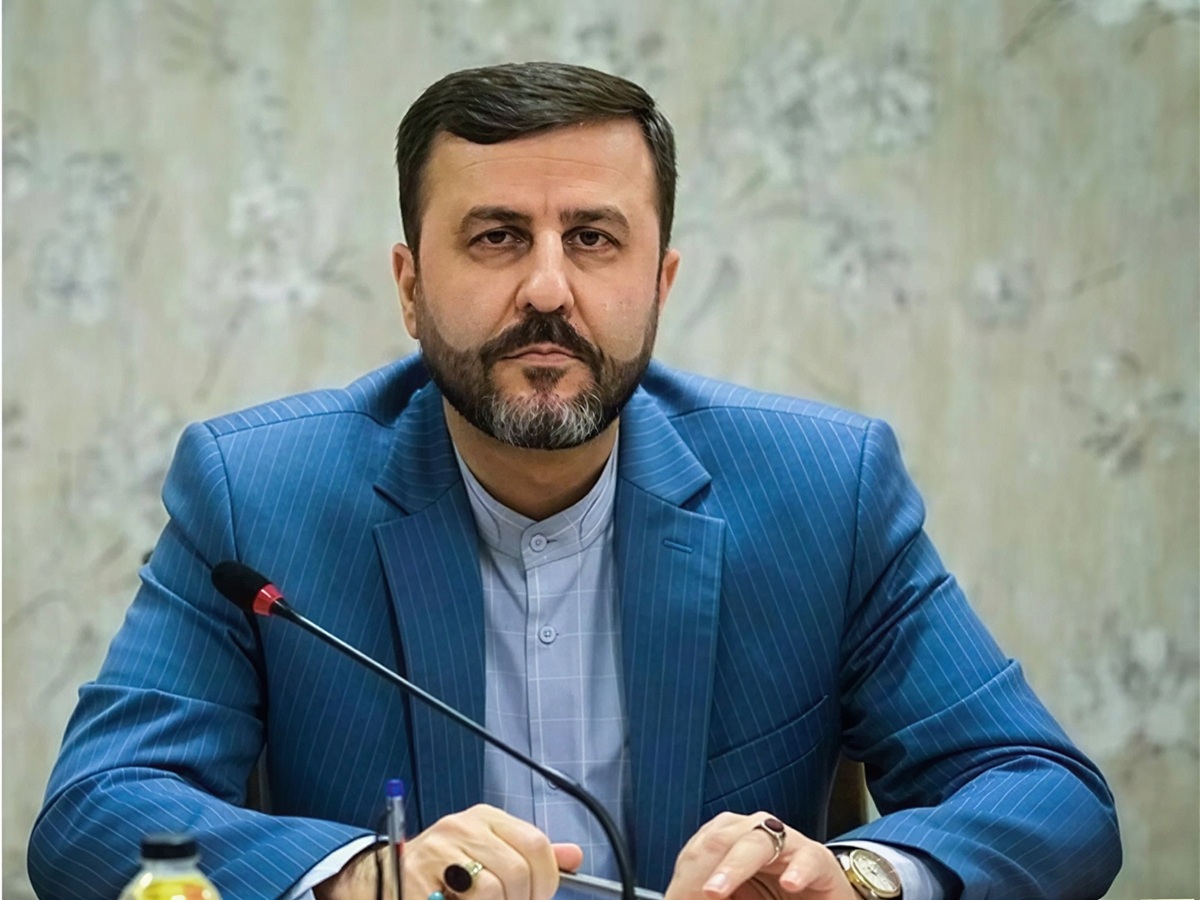
Iranian Deputy Foreign Minister Kazem Gharibabadi said the talks focused on current developments in the strait and future management of the shipping route.
“During a trip to Muscat, the first meeting of the Joint Hormuz Committee was held,” Gharibabadi said.
“While reviewing the current issues related to the strait, we exchanged views on the future management,” he added.
The Strait of Hormuz, a narrow waterway shared by Iran and Oman, is one of the world’s most important maritime corridors for Gulf oil and gas exports. It became a flashpoint during the recent conflict after Iran imposed a blockade.
The future administration of the strait has remained a key issue in negotiations between Tehran and Washington. Iran has proposed introducing service fees for vessels using the route, while the United States maintains that the waterway is an international passage that should remain free of such charges.
Gharibabadi later told Iranian state television that Iran and Oman had reached a common understanding on the issue, with Oman supporting a role in managing the strait as a coastal state and backing the collection of fees for services provided.
He said both sides had agreed to establish technical committees, with experts expected to begin detailed discussions within a week to draft proposals covering shipping arrangements and navigation routes.
He said Oman “also supports being involved in these arrangements as a coastal state with sovereign rights, and… believes that fees should be collected in return for the services that are provided”.
“Beginning in seven or eight days, our experts will start their specialised discussions, in accordance with the understanding we reached today, so that we can discuss these arrangements, prepare a text, and also hold technical negotiations regarding the shipping routes,” he continued.
Oman has sent mixed signals over the future of the waterway in recent days. Following talks with Iranian officials last week, both countries said they were reviewing the costs associated with managing the strait.
Days later, however, Oman stated that no passage fees were planned and announced a temporary maritime corridor along its coastline, saying the arrangement had been coordinated with the United Nations.
Iran rejected the move, insisting that only the shipping corridor running along its own coastline was authorised.
Foreign Minister Abbas Araghchi warned on Sunday that attempts to use alternative routes could heighten regional tensions.
The warning followed renewed hostilities in the Gulf, where Iran attacked a commercial vessel in the Strait of Hormuz and the United States responded with strikes on Iranian coastal targets.
According to the preliminary agreement reached between Tehran and Washington, vessels are allowed to pass through the strait free of charge for 60 days, although the arrangement after that period remains uncertain.
Gharibabadi on Monday said that “under Article 5 of the Islamabad Memorandum of Understanding, the Islamic Republic of Iran determines the shipping routes under these temporary conditions, and we cannot accept any other route.
He warned that Iran would oppose any unauthorised routes and said responsibility for any incidents involving vessels using such corridors would lie with those operating outside the agreed framework.
“It is our commitment to provide safe conditions for passage. That is why, if vessels transit through other routes, we will oppose it, we will seek to prevent it, and if any incident occurs involving those vessels, the responsibility will rest with them,” he said.
“Over the past few days, the Americans have understood this message: if they seek to establish parallel routes… the Islamic Republic of Iran will use the various means at its disposal to provide an appropriate response to that violation.”