Trending
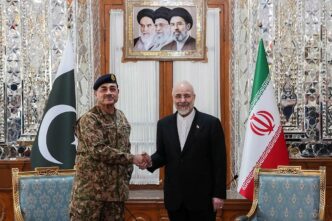
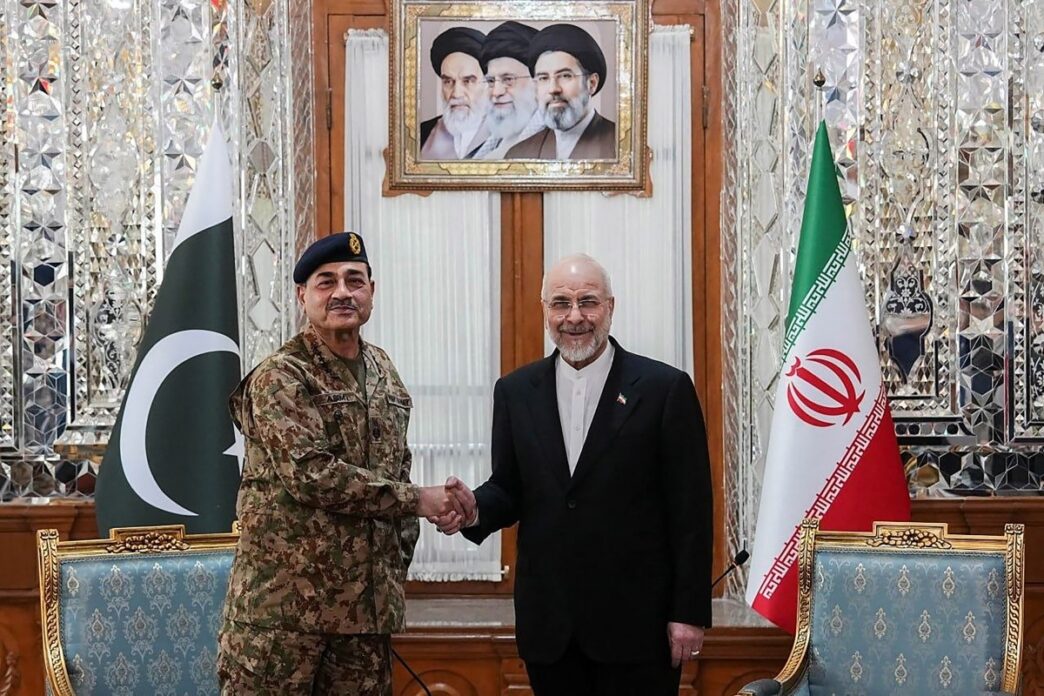
Iran has said it has no plans to attend a new round of negotiations with the United States, casting fresh doubt over efforts to prevent renewed conflict in the Middle East after a fragile ceasefire.
This comes as tensions remain high following weeks of war involving Iran, Israel, and the United States, which unsettled global markets and pushed oil prices higher.
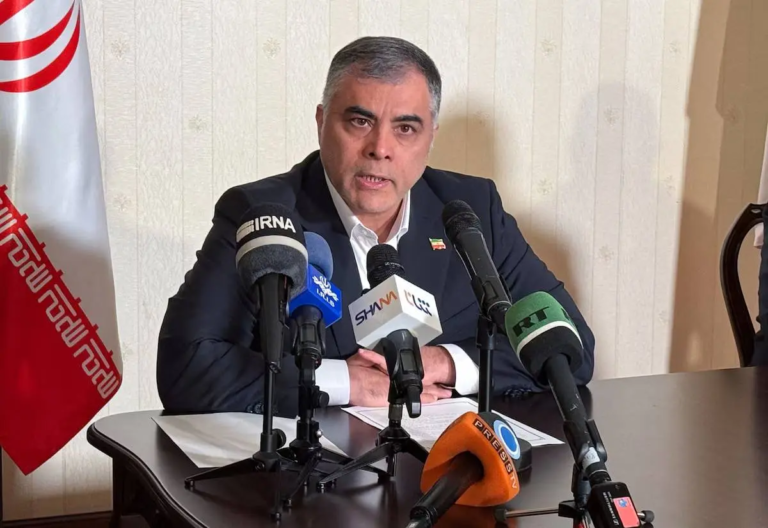
Foreign Ministry spokesman Esmaeil Baqaei said Tehran had not agreed to further talks and accused Washington of acting in bad faith.
“We have no plans for the next round of negotiation, and no decision has been made in this regard,” Baqaei said, adding that while the US claims to support diplomacy, its actions do not show seriousness about pursuing peace.
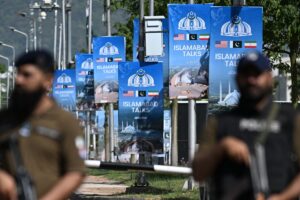
US President Donald Trump said negotiators were being sent to Islamabad, Pakistan, for fresh discussions, while also repeating threats to strike Iran’s energy infrastructure if no agreement is reached. Trump described the proposed terms as “a very fair and reasonable deal” and urged Tehran to accept them.
The latest dispute follows a US naval interception of an Iranian cargo vessel. Trump said the ship had attempted to evade a US blockade, while Iranian officials condemned the action as piracy and a breach of the ceasefire. Tehran has warned it will retaliate.
The Strait of Hormuz remains another major flashpoint. Iran has largely shut the strategic waterway, disrupting global oil flows and raising fears of wider economic fallout. Oil prices jumped sharply again on Monday as investors reacted to the growing uncertainty.
Another sticking point in negotiations is Iran’s stockpile of enriched uranium. Trump claimed Tehran had agreed to hand it over, but Iranian officials denied any such arrangement. Baqaei said the matter “was never raised as an option for us.”
With both sides trading accusations and military threats, hopes for a lasting ceasefire appear increasingly uncertain.