Trending
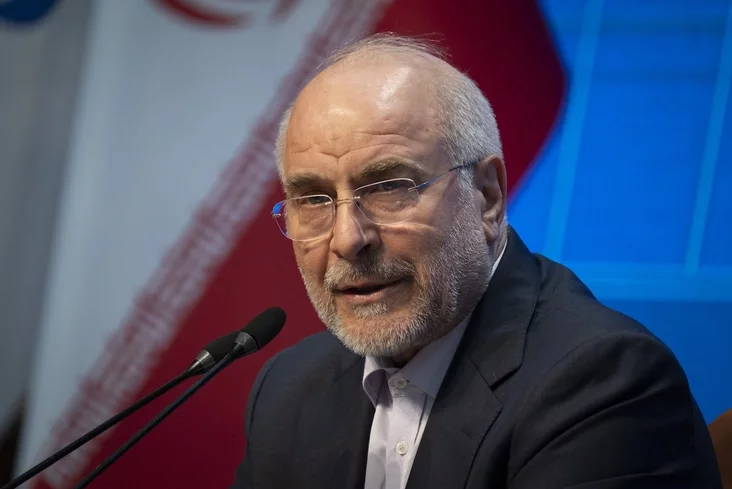
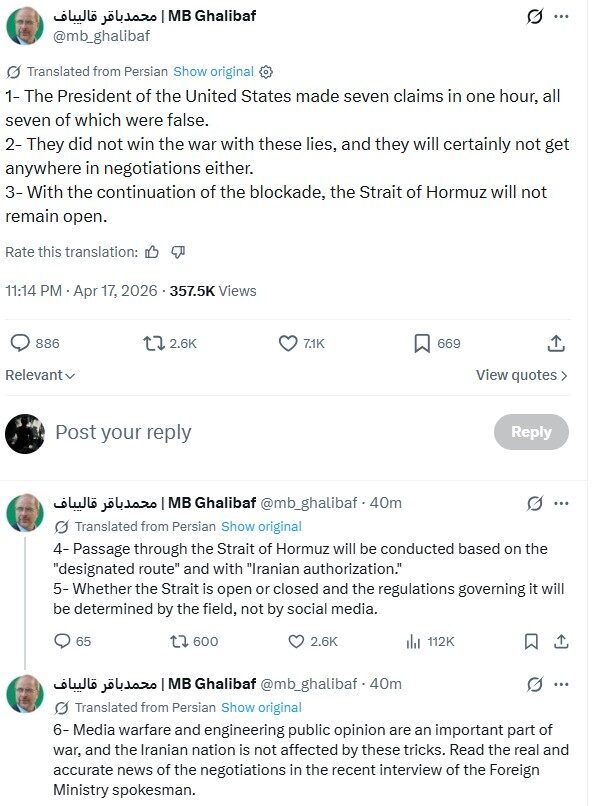
The Speaker of Iran’s parliament, Mohammad-Bagher Ghalibaf, has warned that the Strait of Hormuz will not remain open if the United States continues its naval blockade.
Ghalibaf issued the warning in a post on X, hours after Iran’s foreign minister announced on Friday that the Strait of Hormuz was completely open to all commercial vessels following a ceasefire agreement reached in Lebanon on Thursday.
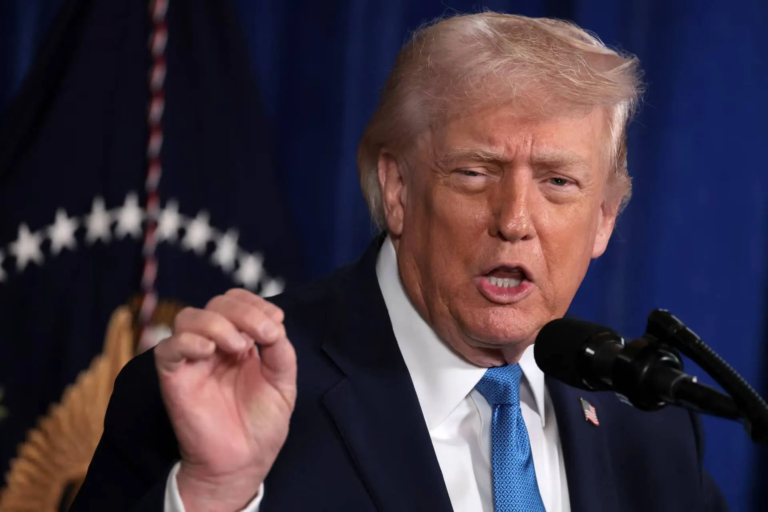
After Iran made this announcement, US President Donald Trump said the US naval blockade of Iranian ports, which began on Monday, will continue regardless.
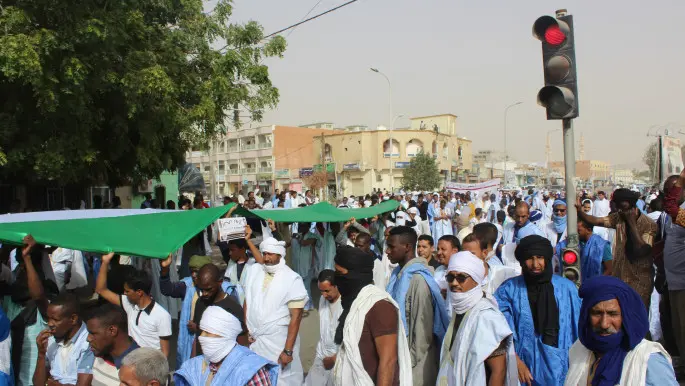
Read More : Mauritania Students Protest Transport Fare Hike
۱- رئیس جمهور آمریکا در یک ساعت هفت ادعا مطرح کرد که هر هفت ادعا کذب است.
۲- با این دروغگوییها در جنگ پیروز نشدند و حتما در مذاکره هم راه به جایی نخواهند برد.
۳- با ادامهٔ محاصره، تنگهٔ هرمز باز نخواهد ماند.— محمدباقر قالیباف | MB Ghalibaf (@mb_ghalibaf) April 17, 2026
“The Strait of Hormuz is completely open and ready for business and full passage. But the naval blockade will remain in full force and effect as it pertains to Iran, only, until such time as our transaction with Iran is 100% complete,” Trump wrote on Truth Social.
In his X post, Ghalibaf accused Trump of spreading falsehoods, warning they could hinder a deal between the two countries.
“The President of the United States made seven claims in one hour, all seven of which were false. They did not win the war with these lies, and they will certainly not get anywhere in negotiations either. With the continuation of the blockade, the Strait of Hormuz will not remain open,” he wrote.
He added that passage through the Strait of Hormuz will be conducted in accordance with the “designated route” and with “Iranian authorisation.”
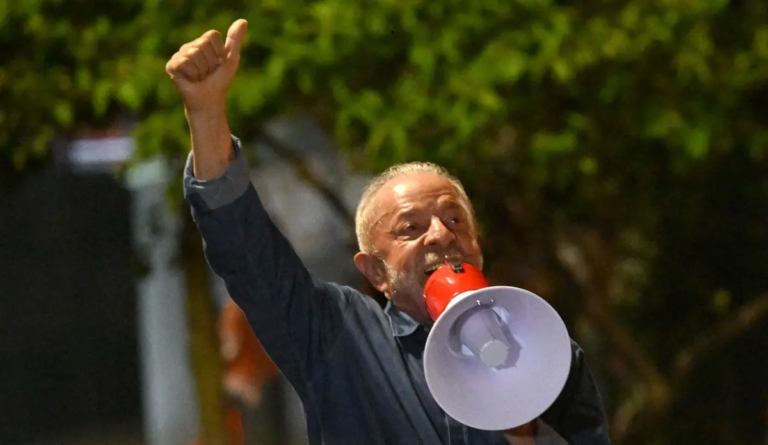
Read More : Brazil’s Lula Turns 81, Vows 24-Hour Workday
“Whether the Strait is open or closed and the regulations governing it will be determined by the field, not by social media. Media warfare and engineering public opinion are an important part of war, and the Iranian nation is not affected by these tricks. Read the real and accurate news of the negotiations in the recent interview of the Foreign Ministry spokesman,” Ghalibaf added.
Iran initially restricted traffic through the Strait of Hormuz following US and Israeli airstrikes on its territory on February 28. During the escalation, shipping through the waterway was significantly reduced as tensions rose.
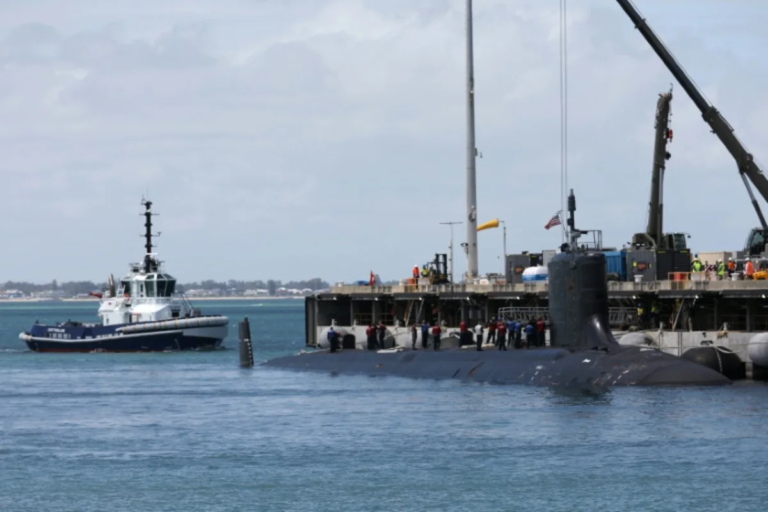
Iran also demanded greater control over passage as part of its 10-point plan, while the United States pushed for the strait to remain open to international shipping. Trump directed a heightened US naval presence in waters near Iranian ports.