Trending
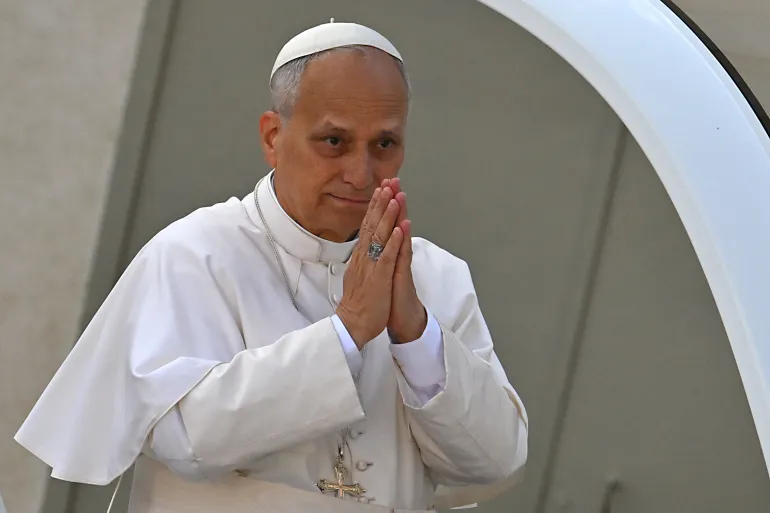
Eleven days before the United States (U.S.) and Israel launched coordinated joint airstrikes against Iran on February 28, Pope Leo XIV had warned against the dangers of placing war and military aggression above diplomacy and conflict resolution through dialogue.
“In our time, the weakness of multilateralism is a particular cause for concern at the international level. A diplomacy that promotes dialogue and seeks consensus among all parties is being replaced by a diplomacy based on force, by either individuals or groups of allies,” the Pope had said in February.
“The principle established after the Second World War, which prohibited nations from using force to violate the borders of others, has been completely undermined. Peace is no longer sought as a gift and a desirable good in itself, or in the pursuit of the establishment of the ordered universe willed by God with a more perfect form of justice among men and women.”
Now in its third week, the Iran war has underscored the Pope’s warning about the dangers of abandoning diplomacy, with escalating violence and mounting calls for a ceasefire portraying just how far dialogue has been sidelined.
International organisations like the United Nations (UN) constantly advise member-states to pursue diplomacy to resolve conflicts rather than war, but diplomatic efforts sometimes stall, and conflicting parties turn to aggression.
This was the case with the U.S and Iran. There were formal negotiation efforts between the U.S. and Iran shortly before the military escalation, aimed at reaching a deal after previous tensions over Iran’s nuclear programme.
These negotiations continued until February 2026, but no agreement was reached, and the talks ultimately broke down. Conflict erupted as diplomacy stalled and the U.S struck on February 28.
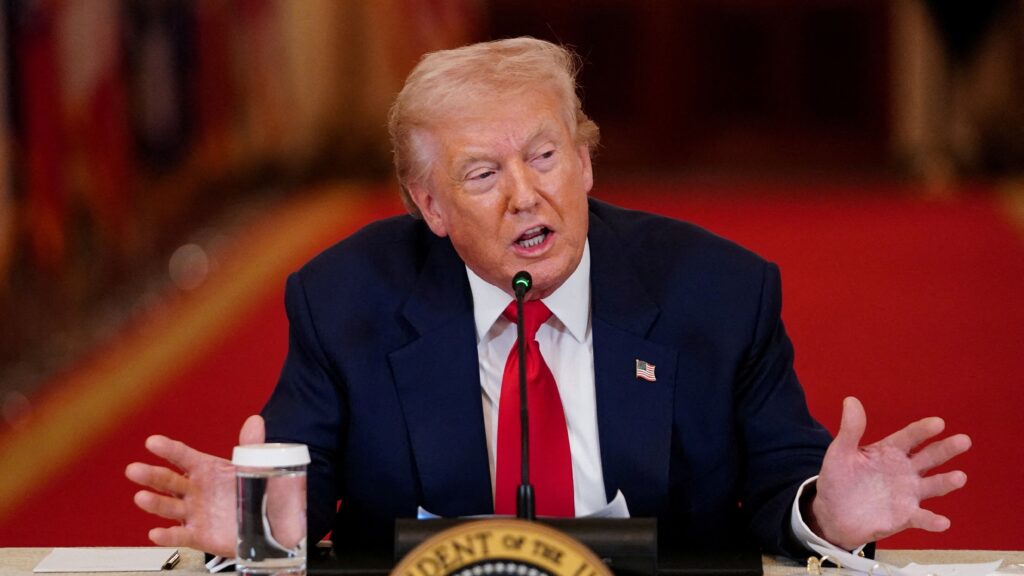
The U.S. President had claimed Iran was building a nuclear weapon, but the International Atomic Energy Agency (IAEA) said its observers found no evidence of Trump’s claims.
The U.S. and Israel justified the attacks and described them as preemptive, adding that it was necessary to prevent Iran from attacking the U.S. or its allies first. But per international laws, preventive strikes are illegal. Article 2(4) of the UN Charter strictly prohibits the use of force against the territorial integrity or political independence of any state.
A Raging War
The war, which many have deemed unecessary has led to the loss of thousands of lives, triggered a crisis in the Middle East and impacted the entire world, showing how the impacts of wars are not confined to the conflicting parties but pull others into it.
Jordan, Oman, Bahrain, Qatar, the United Arab Emirates (UAE) and Israel, which have suffered retaliatory attacks from Iran, have also recorded casualties.
As of Tuesday, the death toll in the war had been estimated at 1,444, with 18,551 injured. According to Iran’s Health Ministry, the victims’ ages ranged from eight months to 88 years old. No fewer than 168 children were killed during the attack on Minab elementary school in Iran.
Across the world, the price of refined petroleum products has also spiked due to the increase in the global price of crude oil following the closure of the Strait of Hormuz.
The World Food Programme (WFP) has also projected that food insecurity could worsen worldwide.
“If this conflict continues, it will send shockwaves across the globe, and families who already cannot afford their next meal will be hit the hardest. Without an adequately funded humanitarian response, it could spell catastrophe for millions already on the edge,” said WFP Deputy Executive Director and Chief Operating Officer Carl Skau.
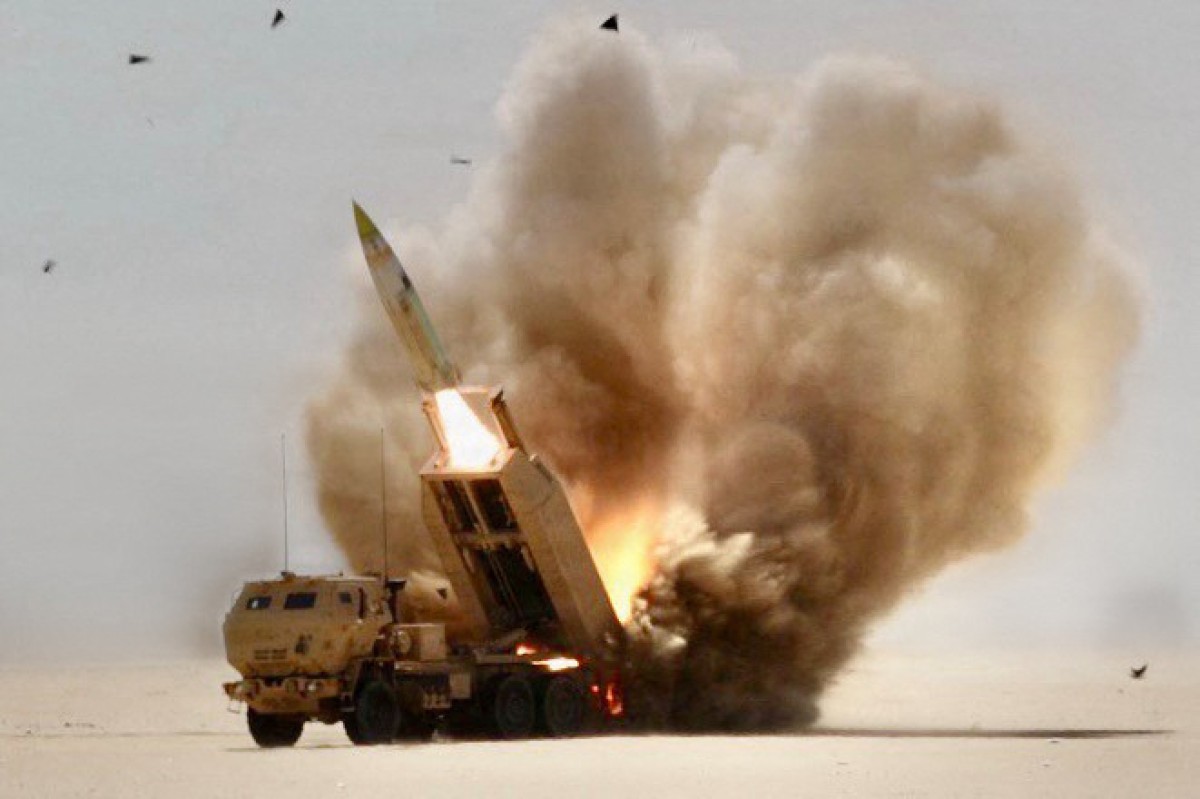
WFP’s analysis revealed that countries in sub-Saharan Africa and Asia are the most vulnerable due to a reliance on food and fuel imports. Projections indicate increases of 21% in food-insecure people in West and Central Africa and 17% in East and Southern Africa. A 24% increase is forecast for Asia.
Trump Vows to Hit Harder, Iran Demands End to War
As the war intensifies, the U.S. and Iran have yet to strike a deal that would draw a curtain on the ongoing escalation between the two countries and Israel.
Trump has vowed to inflict more damage on Iran and launch more strikes against it this week as the war intensifies, but Iran remains defiant. None of the warring sides has retreated since. Rather, the U.S. vowed to intensify the attacks even as world leaders and the U.N. and world leaders call for a de-escalation.
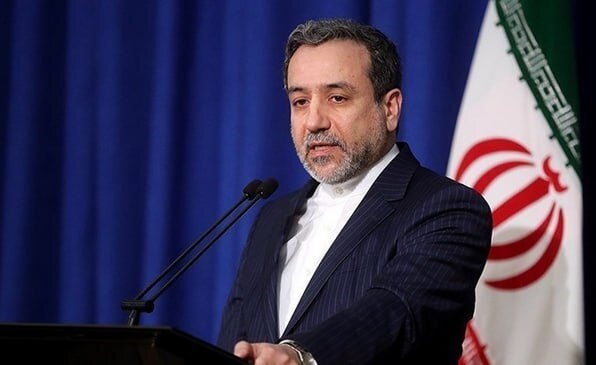
Iran’s Foreign Minister Abbas Araghchi has, however, said he does not believe in a ceasefire but a permanent end to the war. “We do not believe in a ceasefire; we believe in ending the war,” said Araghchi.