Trending
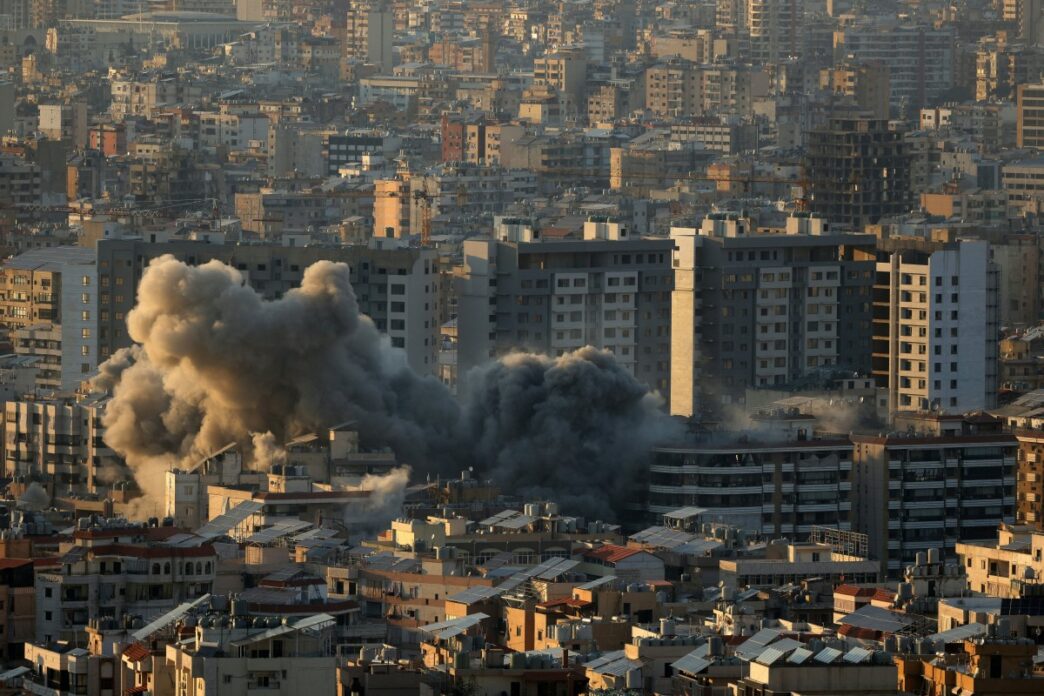
Fresh Israeli air strikes hit the southern suburbs of Beirut and areas in southern Lebanon on Tuesday after the Israeli military warned residents to evacuate, while the United Nations said about 100,000 people had been displaced in a single day.
Lebanon was pulled into the regional conflict last week when the Iran-backed militant group Hezbollah launched attacks on Israel following the killing of Iran’s supreme leader Ayatollah Ali Khamenei in joint US-Israeli strikes.
Israel, which had continued targeting Hezbollah despite a 2024 ceasefire, has since intensified its campaign with waves of attacks across Lebanon and the deployment of ground forces in border areas.
Lebanon’s state-run National News Agency reported that “Israeli warplanes launched a raid… on the southern suburbs” of Beirut. Video footage showed smoke rising from the Hezbollah-dominated district, while the Israeli military said it had begun “striking Hezbollah infrastructure” in the area.
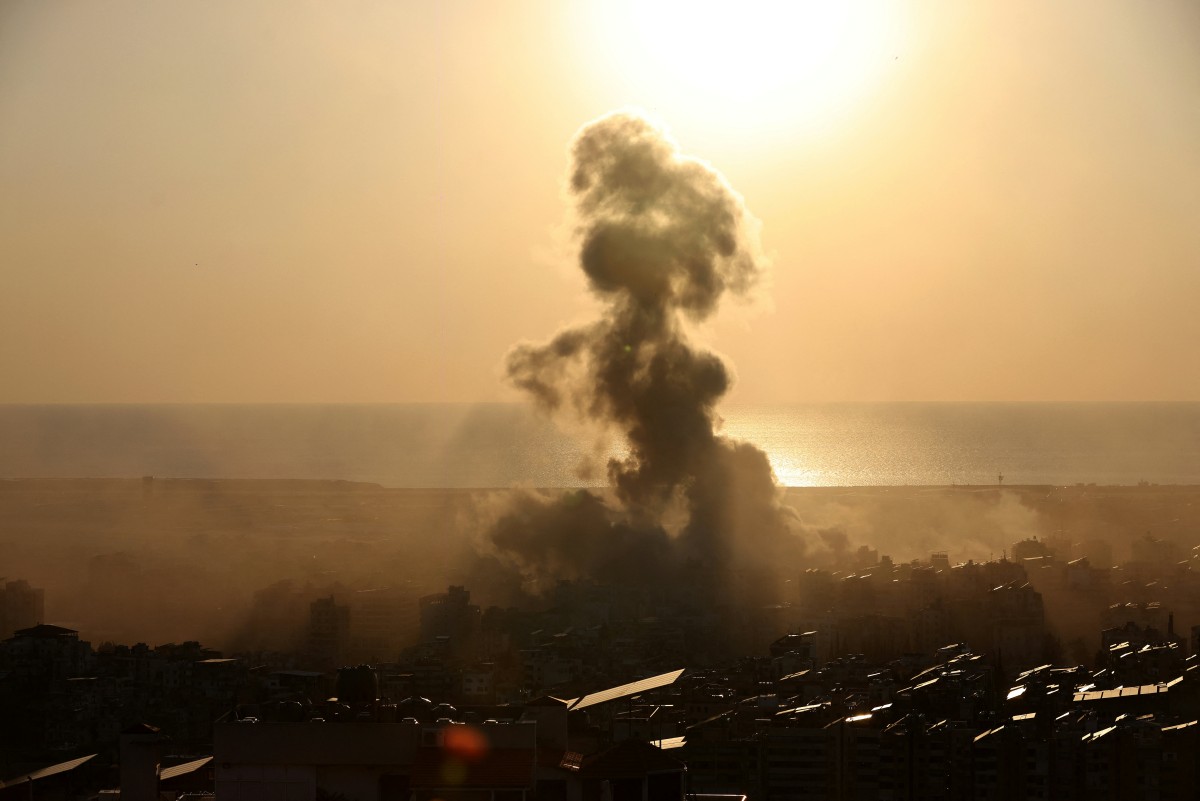
In southern Lebanon, the agency said “the Israeli enemy launched a strike” in Abbassiyeh near the city of Tyre after the Israeli army warned it would target a building there and another in the coastal city of Sidon. Additional strikes were also reported elsewhere.
Lebanese officials say Israeli attacks since March 2 have killed at least 486 people and injured more than 1,300 others. The government added that over 660,000 residents have registered as displaced, with about 120,000 staying in official shelters as of Monday.
According to the UN refugee agency, more than 100,000 people fled their homes in just 24 hours — a pace faster than during the 2024 war between Israel and Hezbollah, said Karolina Lindholm Billing, the agency’s representative in Lebanon.
Civilians flee homes
Among those seeking shelter at the Camille Chamoun Sports City Stadium in Beirut, now converted into a refugee centre, is Fatima Shehadeh, a 35-year-old mother of four who escaped the southern suburbs last week.
“I was pushing my baby in a stroller. We left on foot at 2:00 am and spent the night outside” before reaching the shelter, she said.
She expressed concern for her children, explaining that one of them hid inside their tent after nearby air strikes.
“He didn’t come out because of the strikes. They were really close,” she said.
Inside the stadium, dozens of family tents have been set up, with displaced families sleeping on thin mattresses laid on the concrete floor. Beirut’s mayor, Ibrahim Zeidan, said the venue could house more than 3,000 people.
Another displaced resident, Malak Jaber, a 35-year-old mother of three from Nabatiyeh in southern Lebanon, said: “We spent two or three days living under a bridge, until they opened up this place.”
“My home was bombed yesterday,” she added. “If I want to go back… we’ll be starting from zero.”
Rising tensions
Meanwhile, Lebanese President Joseph Aoun and Syrian leader Ahmed al-Sharaa agreed on the need to secure their shared border after Syria accused Hezbollah of firing artillery shells into its territory overnight.
A day earlier, Aoun accused Hezbollah of working to “collapse” the Lebanese state and said Beirut was open to “direct negotiations” with Israel. However, the head of Hezbollah’s parliamentary bloc, Mohamed Raad, insisted the group would “defend our existence whatever the cost”.
Also on Tuesday, the last residents of the Christian village of Alma al-Shaab near the Israeli border fled the area after previously defying Israeli evacuation orders.