Trending
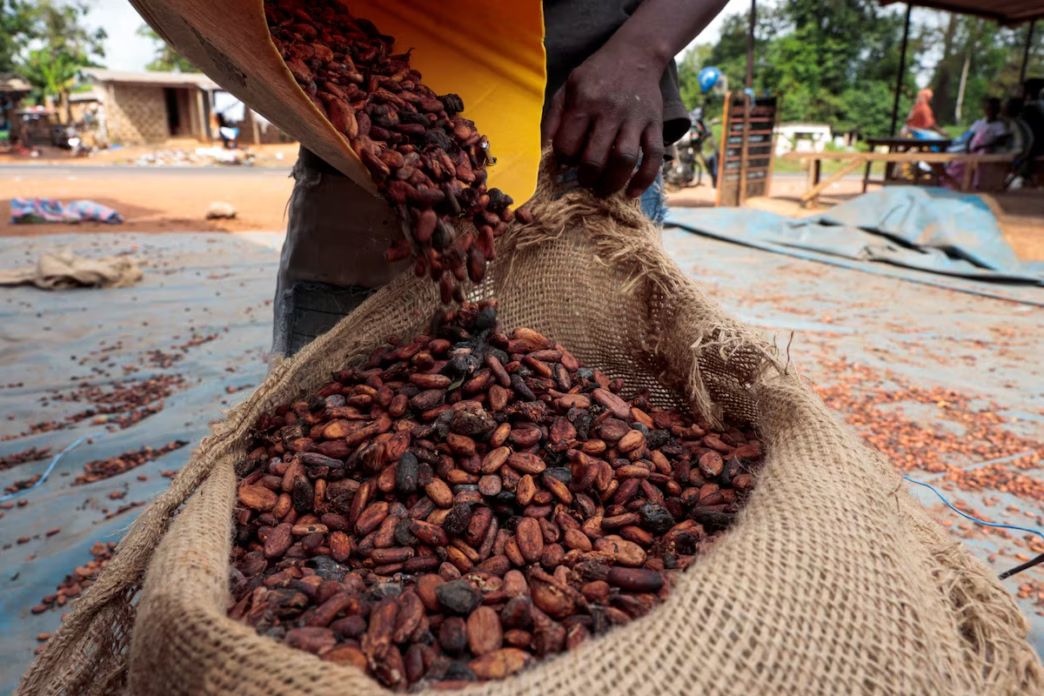
A new report from the non-profit group Trase has revealed that less than half of the cocoa grown in the Ivory Coast is currently traceable to its origin.
With only 48 per cent of the 2024 exports linked back to specific farming cooperatives, the world’s leading cocoa producer faces a significant challenge in meeting the European Union’s strict anti-deforestation regulations.
The lack of transparency is primarily attributed to a complex “indirect” supply chain involving numerous intermediaries, a situation that has seen little improvement over the last two years.
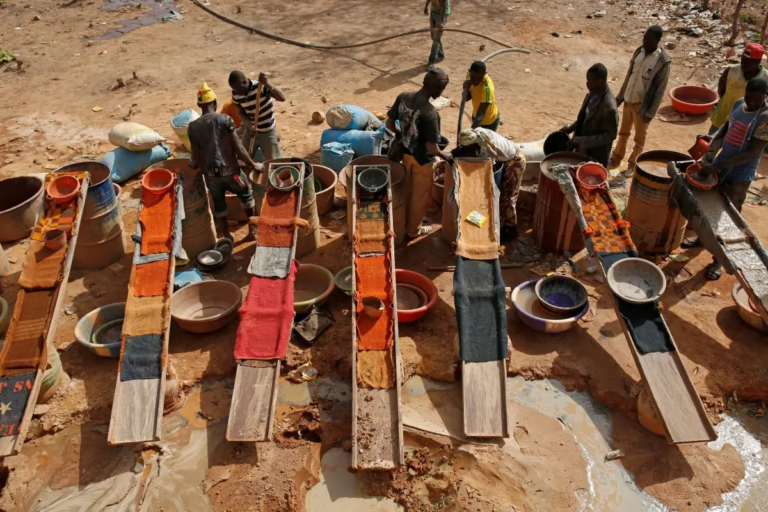
Read More : Ivory Coast Targets Illegal Gold Mining
The European Union Deforestation Regulation (EUDR) mandates that importers prove their products were not cultivated on land deforested after 2020.
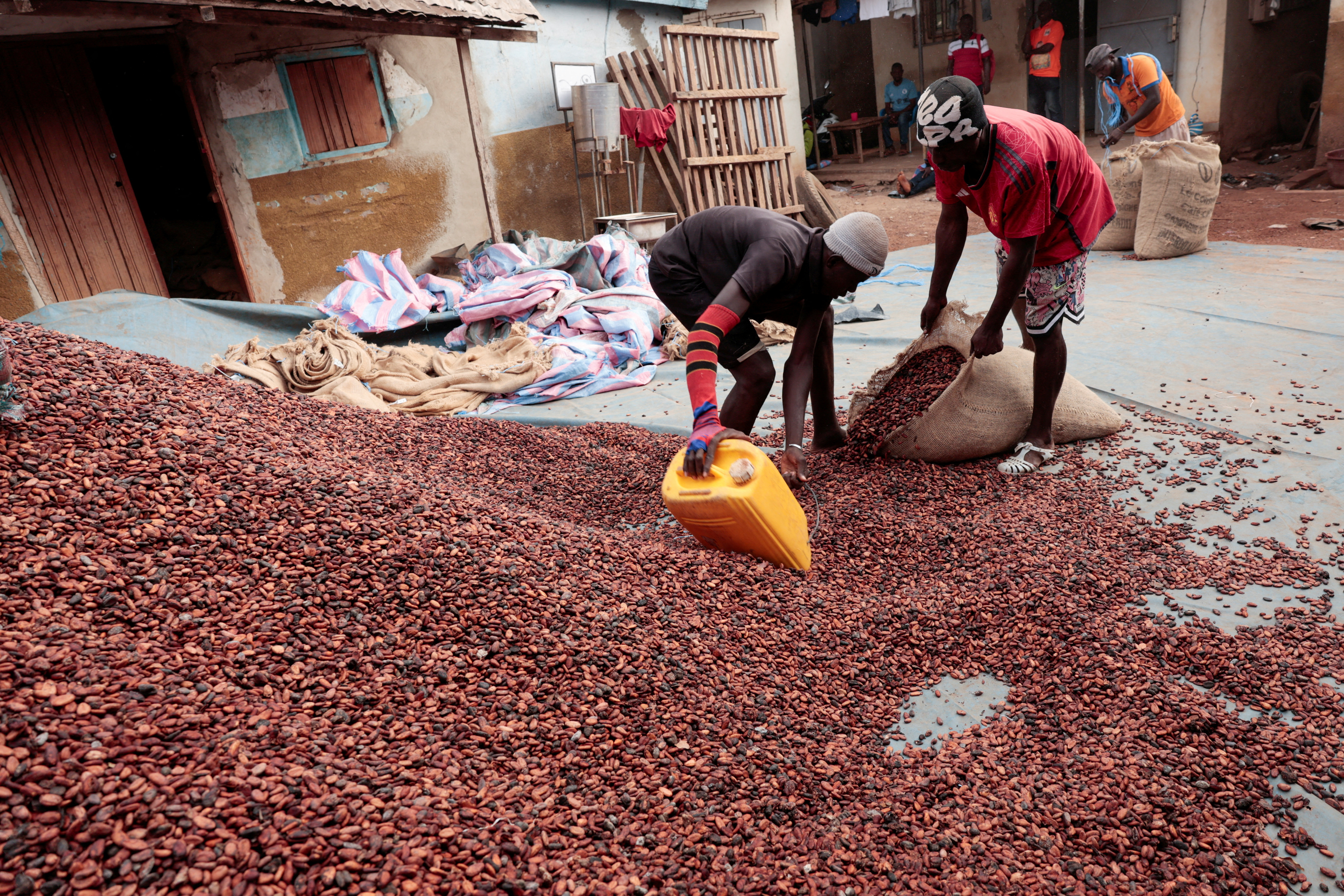
For Ivorian authorities, the stakes are exceptionally high, as the EU remains their primary trade partner, purchasing two-thirds of the nation’s cocoa beans.
While the government has introduced a digitalised sales system to aid verification efforts, the current data suggests that the visibility required to address deforestation and child labour concerns remains insufficient for total compliance.
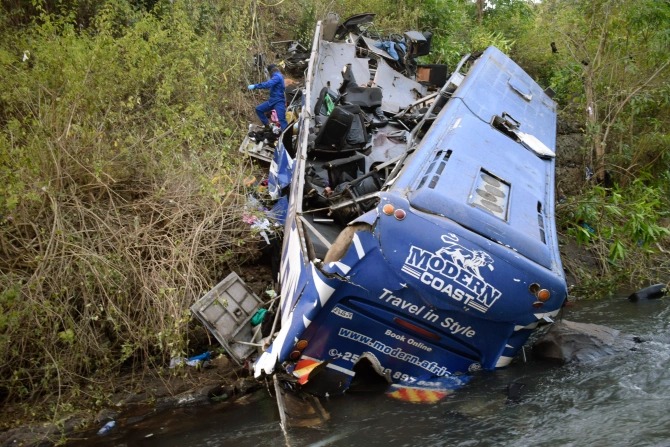
Read More : Ivory Coast Bus Crash Kills 24, Injures 36
Environmental data highlights the urgency of the situation, showing that roughly 79 per cent of the West African nation’s forests have been lost or degraded since the turn of the century.
Although the rate of forest loss has slowed recently, experts note this is largely because so little forest remains.
As international pressure from other global trade partners mounts to delay or scale back the EUDR, the Ivorian cocoa sector must find a way to navigate these rigorous new environmental standards to protect its vital export economy.