Trending
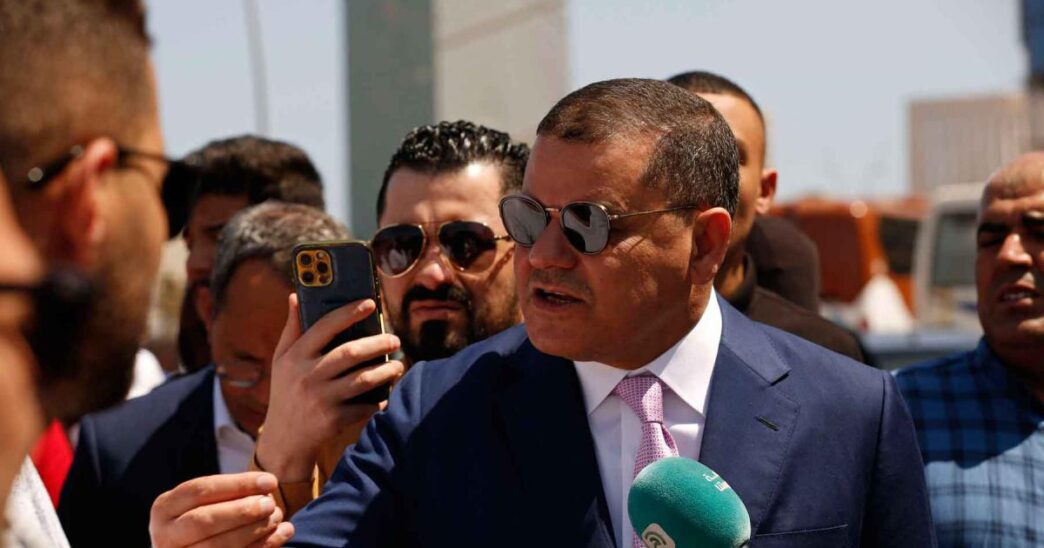
Libya’s UN-backed Prime Minister Abdulhamid Dbeibah announced a cabinet reshuffle on Thursday to improve government efficiency.
The overhaul saw changes in approximately 10 of the 27 ministerial positions, though Dbeibah has notably retained his personal oversight of the defence and foreign affairs portfolios.
According to the prime minister, the primary objective of these changes is to accelerate service delivery to citizens rather than simply changing personnel for its own sake.
The reshuffle also serves as a strategic attempt to ease regional tensions within the fractured nation.
Recent friction between Dbeibah and other high-ranking officials, including Mohamed el-Menfi and Mohamed Takala, had emerged over the distribution of government posts across Libya’s western, southern, and eastern territories.
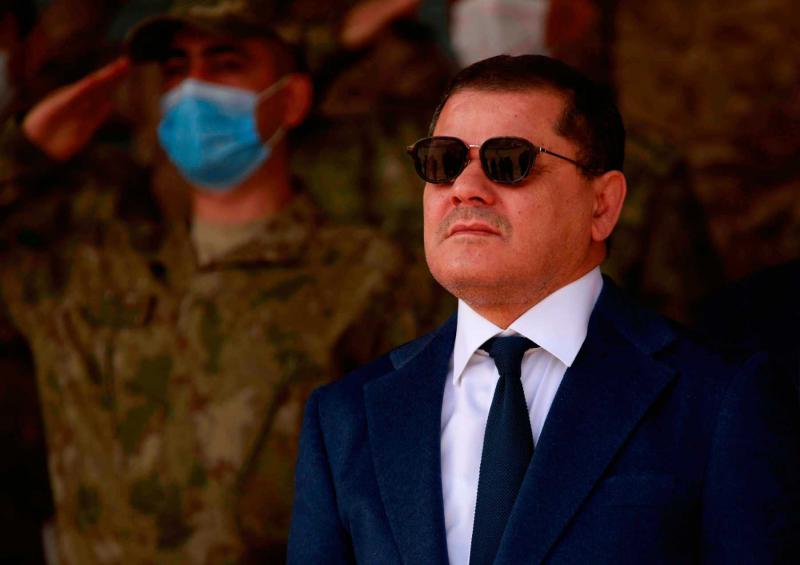
Following the announcement, both Menfi and Takala attended the year’s first cabinet meeting, signalling a potential move toward cooperation between the country’s competing administrative factions.
Despite these political manoeuvres, Libya continues to face significant hurdles in its pursuit of long-term stability.
The country remains divided between Dbeibah’s Tripoli-based administration and a rival government in Benghazi led by Khalifa Haftar.
Furthermore, gender representation remains a challenge in the new lineup, with Randa Ghareb serving as the sole female minister, heading the women’s ministry.