Trending
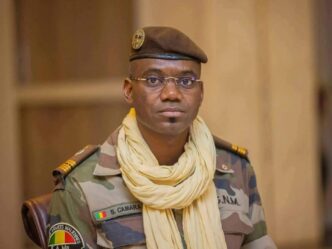
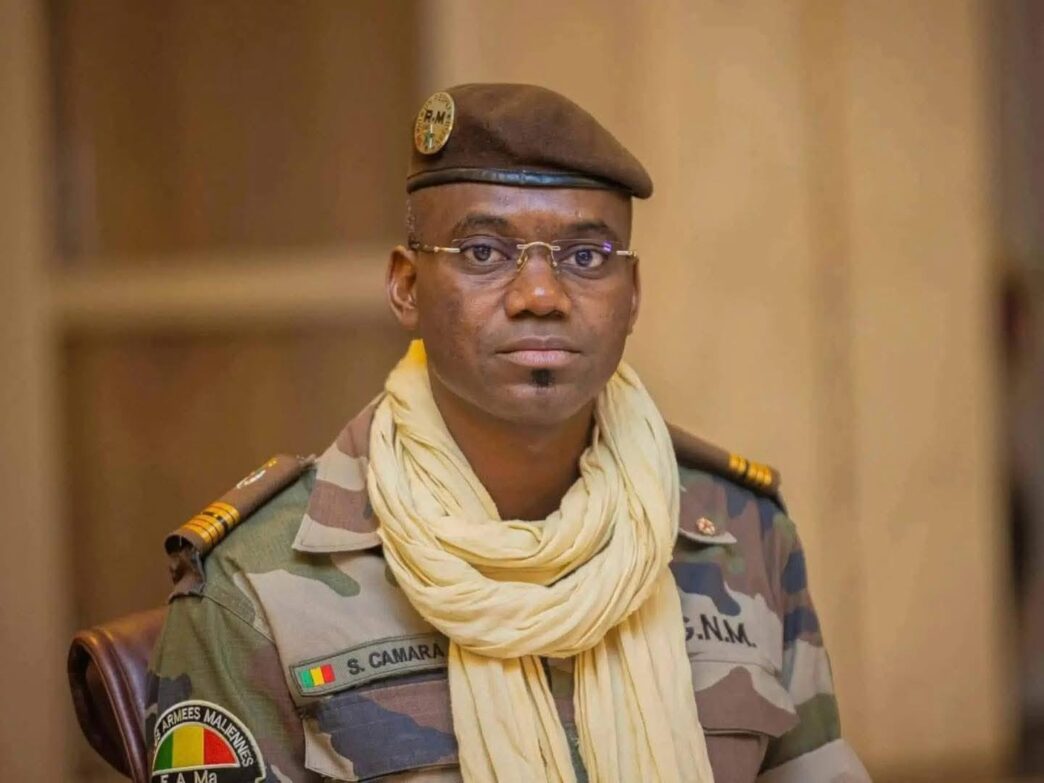
Mali held a tribute for assassinated Defence Minister Sadio Camara, under tight security, following large-scale attacks over the weekend by insurgents and Tuareg allies that have destabilised the country.
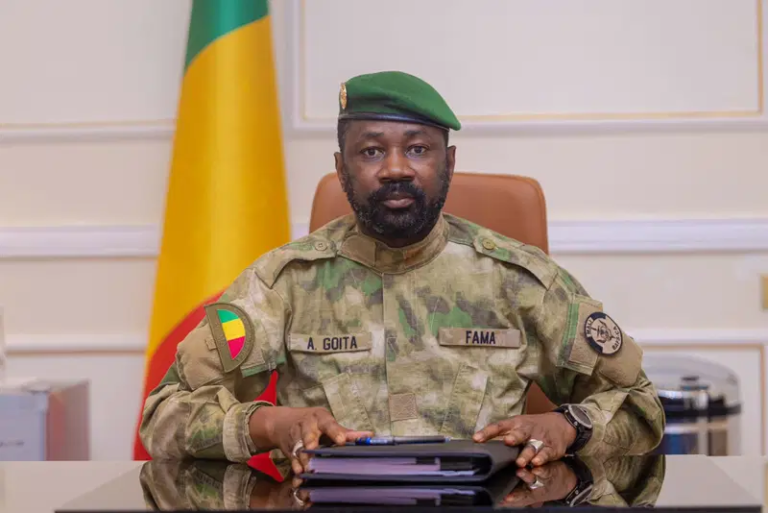
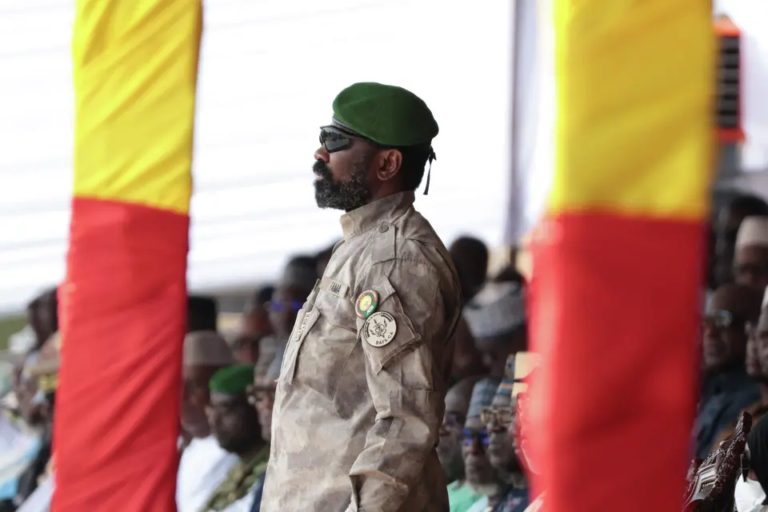
The ceremony, which took place at the military engineering battalion grounds in Bamako, drew thousands of attendees, including the country’s junta leader, Assimi Goita.
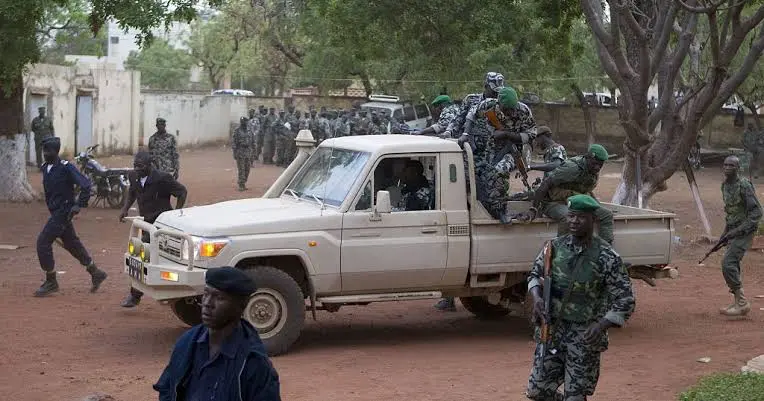
There was a visible presence of armed soldiers, with checkpoints and barricades set up throughout the city to ensure strict access controls. Security forces closely monitored the event as Mali’s citizens gathered to pay their respects to the 47-year-old minister, who was killed in a car bomb attack at his residence in Kati, a garrison town near Bamako.
Read More : Terrorists Attack Mali Army Base
The attack, carried out on Saturday, shocked the nation and led the government to declare two days of national mourning.
Camara, a crucial figure in Mali’s political landscape, was instrumental in the country’s rapprochement with Russia, solidifying political and military ties with Moscow. His death has left a gaping hole within the junta’s leadership.
Prime Minister Abdoulaye Maiga described Camara as a pillar of national defence, remarking that he “represented unwavering loyalty to the public interest.” His family spokesperson, Bakary Camara, further honoured him as a devoted father, husband, and son.
Among those attending were Camara’s friends, family, and government officials from both Mali and neighbouring countries, including Niger and Burkina Faso. The ceremony was followed by a military parade, and a funeral was held later in the day.
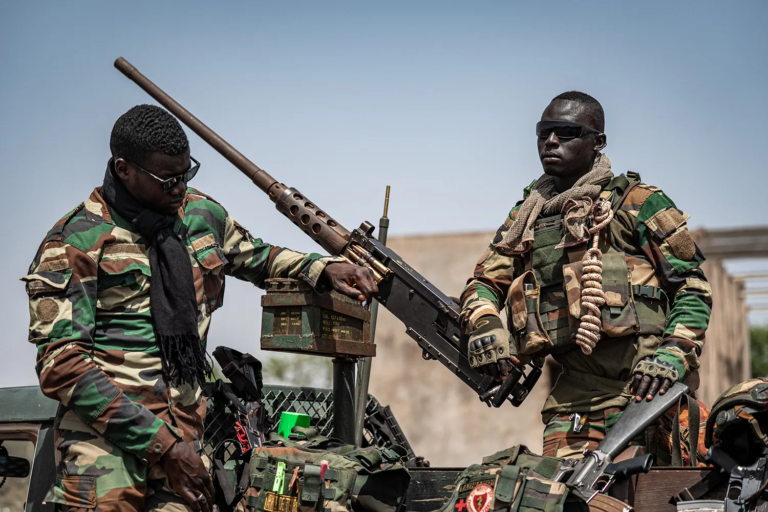
April 25’s shock synchronised attacks by Tuareg rebels of the Azawad Liberation Front (FLA) coalition and the jihadist Group for the Support of Islam and Muslims (JNIM) targeted several areas in the vast arid country. (Photo by FANNY NOARO-KABRÉ / AFP)
The country’s security situation remains precarious as the recent jihadist attacks have resulted in the deaths of at least 23 people. Kati, home to several key junta figures, was one of several strategic locations targeted by militants from the Group for the Support of Islam and Muslims (JNIM) and the Tuareg-dominated Azawad Liberation Front (FLA). These groups have intensified their operations, casting doubt on the junta’s ability to manage the crisis.
Read More : Mali Rebels Free 22 Soldiers
One of the strategic cities under siege, Kidal in northern Mali, was recently overtaken by militants, and it appears that their advance is continuing. The attacks have dealt a significant blow to the junta’s rhetoric that it had the security situation under control. On Wednesday, an FLA spokesperson vowed that the junta “will fall” and reaffirmed their intention to take over the country’s north.
Amidst these escalating challenges, Mali’s relationship with Moscow remains firm. On Thursday, Moscow reaffirmed that its forces would stay in the country, rejecting calls for a Russian withdrawal in response to the rebels’ demands.
This recent wave of violence adds to the ongoing security crisis in Mali, which has been exacerbated by Al-Qaeda, the Islamic State, and local separatist movements since 2012. Despite the government’s attempts to stabilise the country, Mali’s future remains uncertain, with security concerns at the forefront of both national and international discussions.