Trending
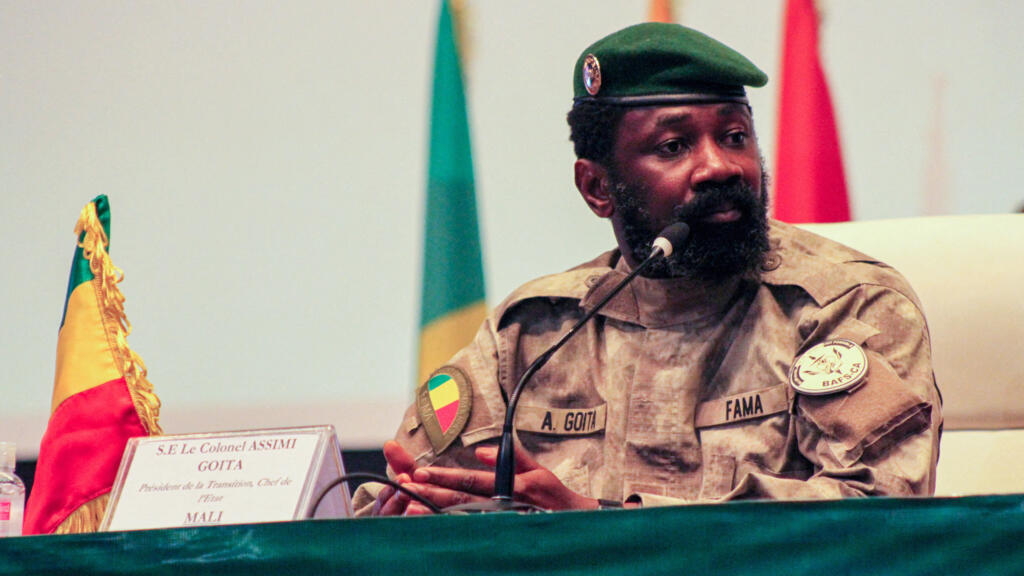
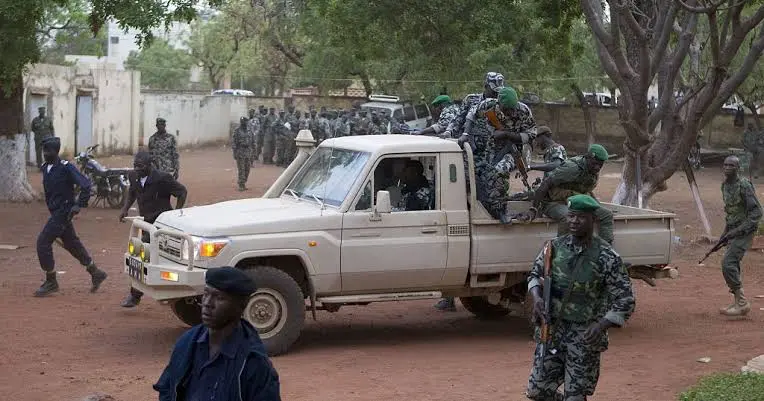
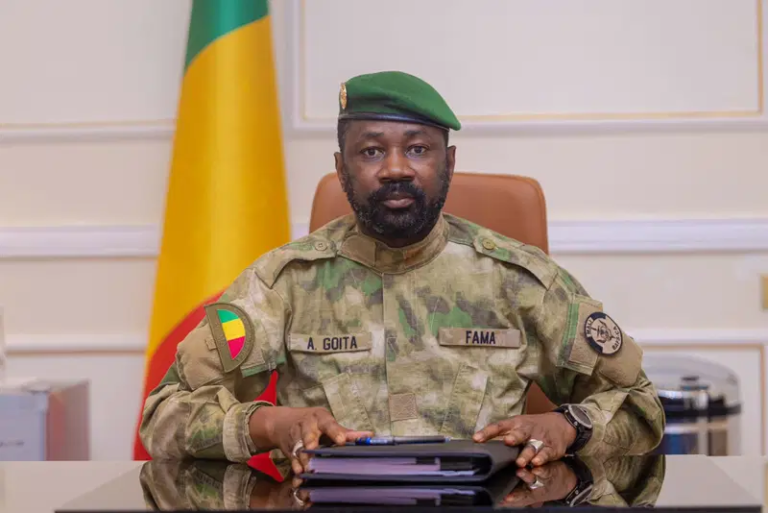
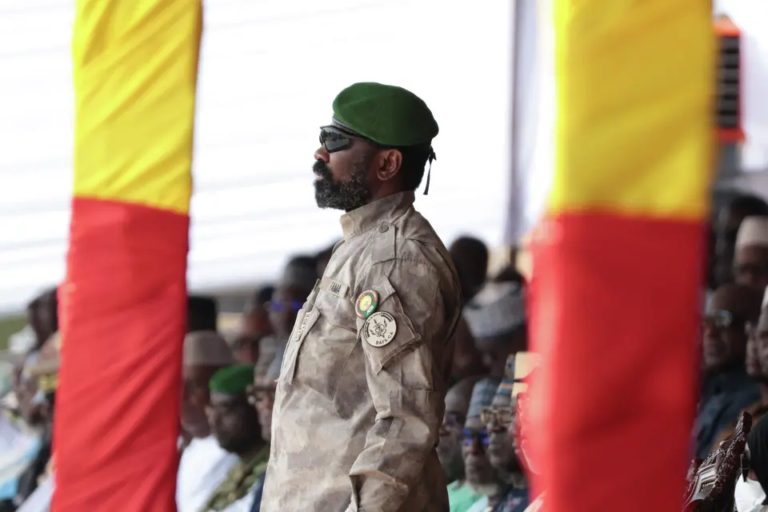
Mali’s military leader, Assimi Goita, broke a three-day silence on Tuesday to reassure the nation that security forces have stabilised the country following a weekend of unprecedented large-scale attacks.
In a televised address, Goita acknowledged the “extreme gravity” of the situation but insisted that reinforced security measures are now in place.
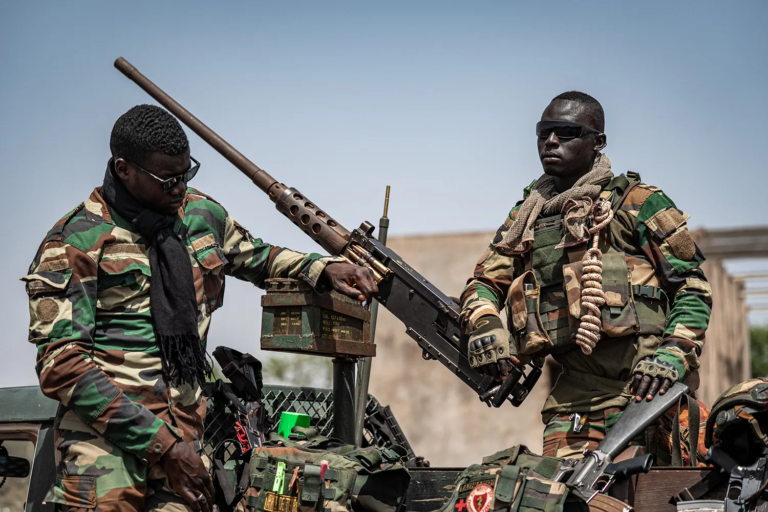
His appearance followed days of speculation regarding his grip on power after joint forces of Tuareg separatists and Al-Qaeda-linked terrorists launched a coordinated offensive against strategic military positions.
Read More : Terrorists Attack Mali Army Base
The recent wave of violence marks the largest conflict in the region in nearly 15 years, significantly destabilising the junta and its Russian allies.
The fighting claimed the life of Defence Minister Sadio Camara, a key figure in Mali’s pivot toward Moscow, and forced Russian paramilitary forces to withdraw from the strategic northern town of Kidal.

Despite these setbacks, Goita’s office released images of him meeting with the Russian ambassador, who reaffirmed Moscow’s commitment to supporting the Malian military’s counter-terrorism efforts.
Read More : Mali Rebels Free 22 Soldiers
Tensions remain high as insurgent groups have threatened a total blockade of the capital, Bamako, and the nearby garrison town of Kati.
While the junta claims the situation is being managed through clearing operations and intelligence gathering, the army has reportedly withdrawn from several positions in the northern Gao region.
Analysts suggest the sophisticated attacks near the seat of government may have served as a diversion to allow rebel forces to consolidate control over the arid north, mirroring the security crisis that first rocked the nation in 2012.