Trending
Nigeria and India have agreed to deepen strategic economic ties and work toward restoring bilateral trade to its historic $15 billion peak.
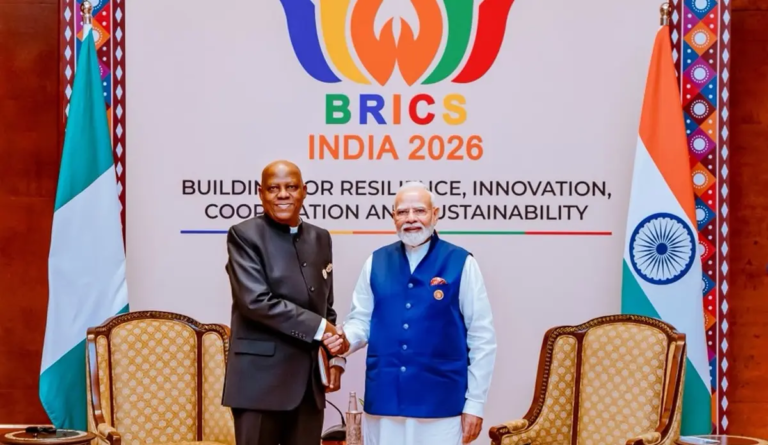
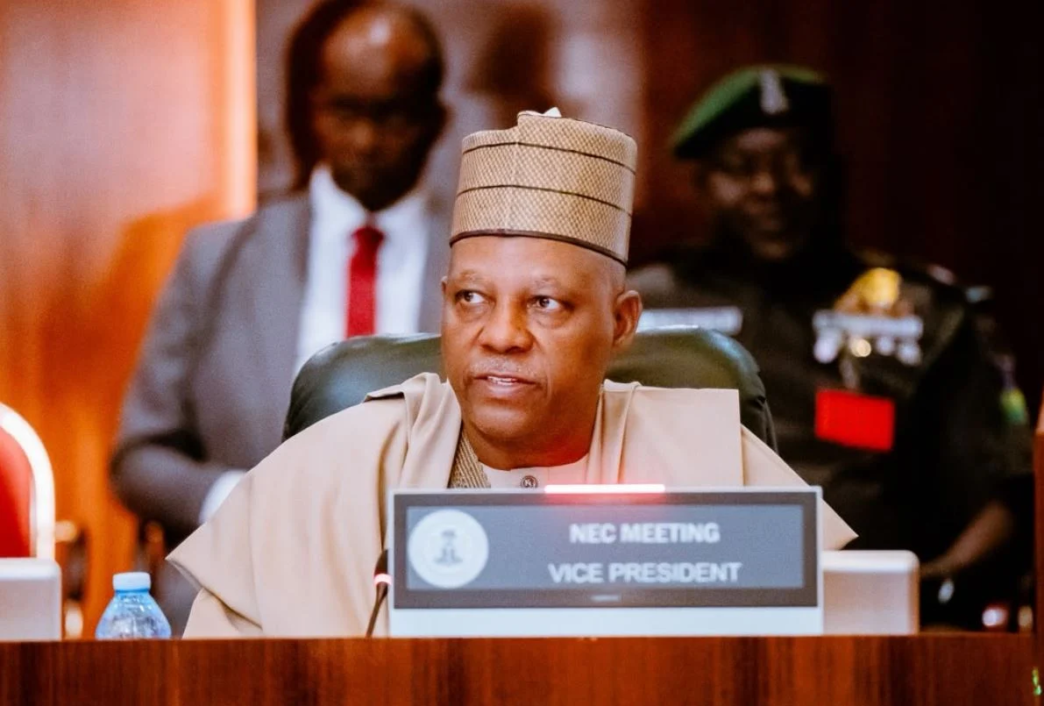
According to a statement issued on Monday by the Senior Special Assistant to the President on Media and Communications, Office of the Vice President, Stanley Nkwocha, Indian Prime Minister Narendra Modi spearheaded the initiative by proposing renewed purchases of Nigerian crude oil during a bilateral meeting with Vice President Kashim Shettima on the sidelines of the BRICS Leaders’ Summit in New Delhi.
Bilateral trade between the two nations fell from $14.95 billion in the 2021–2022 financial year to $7.13 billion in 2024–2025 due to reduced oil purchases, though recent figures indicate a recovery to approximately $9 billion.
Responding to Prime Minister Modi’s energy proposal, Vice President Shettima stated that “Nigeria would examine the request as part of broader efforts by President Bola Ahmed Tinubu’s administration to attract investment and build strategic partnerships capable of expanding the country’s productive capacity.”
Shift Relations Beyond Crude Exports
The press statement highlighted that the Tinubu administration aims to shift relations beyond crude exports toward high-value investments in pharmaceuticals, defence, fintech, digital technology, and renewable energy.
Shettima noted that “the President Tinubu administration is particularly interested in moving Nigeria’s relationship with India beyond the traditional exchange of commodities towards investments that support domestic production and value addition,” emphasising that these sectors will generate domestic jobs for Nigeria’s youth.

Beyond trade, Minister of Women Affairs Hajiya Imaan Sulaiman-Ibrahim announced that Nigeria is adopting India’s women-led self-help group framework to expand grassroots financial access through the Nigeria for Women Programme Scale-Up.
“Women’s economic empowerment is fundamental to our ambition of building a $1 trillion economy. We must deliberately bring millions more Nigerian women into productive economic activity,” Sulaiman-Ibrahim added, confirming that both nations will continue high-level economic engagements moving forward.