Trending

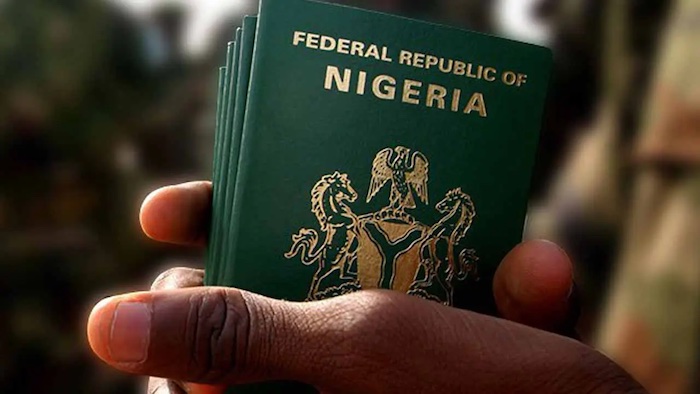
The Nigerian passport has climbed to 89th place on the April 2026 Henley Passport Index, moving up six spots since President Bola Tinubu took office in 2023.
While this jump from 95th place suggests an improved global standing, the data reveal a paradoxical decline in actual travel freedom.
Despite the higher rank, the number of destinations accessible to Nigerians without a prior visa has dropped from 46 in 2025 to just 44 today.
Read More : Abia Arrests 86 Over Sanitation Violations
This disconnect between ranking and reality is largely due to other nations’ performances declining even faster than Nigeria’s, rather than a strengthening of Nigerian travel privileges.
Over the past year, several African nations, including Ethiopia, Zambia, Zimbabwe, and Lesotho, have stripped Nigerians of visa-free or visa-on-arrival access.
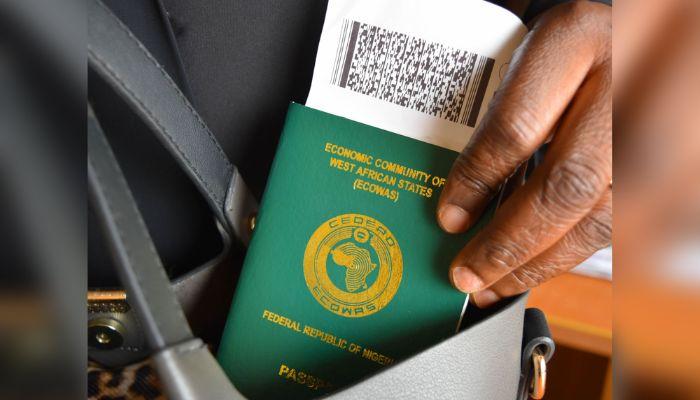
Most notably, Ethiopia ended its visa-on-arrival policy for Nigerians shortly after its national airline invested in Nigeria’s flagship carrier project.
To offset these losses, Nigeria gained access to nine new territories, primarily Pacific island nations like Fiji, Samoa, and Micronesia.
However, these gains have not been enough to maintain the passport’s regional competitiveness.
Read More : Gbajabiamila Denies PFIPC Allegations
Within West Africa, Nigeria lags significantly behind its neighbours; The Gambia and Ghana both boast much higher rankings, with access to over 20 more visa-free destinations than Nigeria.
Experts suggest this shrinking mobility reflects Nigeria’s internal socio-economic struggles. Analysts point out that as the country becomes more “inhospitable” for its youth, international embassies have tightened restrictions to curb desperate migration.
While the Nigeria Immigration Service remains focused on upgrading passport technology to meet international standards, the Index highlights a 20-year decline where the nation has fallen 27 places since 2006.