Trending
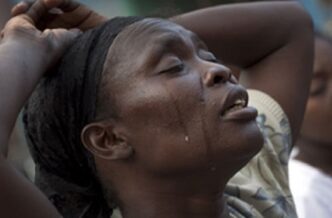
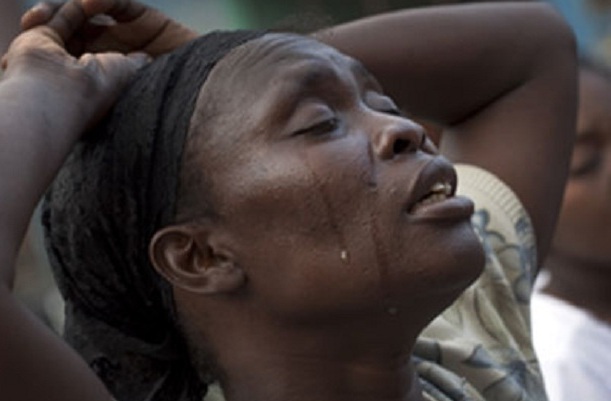
A three-year-old girl keeps asking for her brothers. A mother regrets encouraging her daughter-in-law to take a teaching job. A teacher says no one feels safe anymore.
More than a month after gunmen seized 46 children and staff from schools in southwestern Nigeria, families in the farming towns of Yawota and Ahoro-Esinele are still waiting — and their anguish is now fuelling fears that jihadist violence is spreading to one of the country’s safest regions.
The May 15 raids, which the army has blamed on Boko Haram, targeted children aged two to 16 and staff from two neighbouring towns on the edges of Old Oyo National Park.
“All hands are on deck to make sure that those children and their teachers are brought back safe soon,” Fayoade Adegoke, a deputy inspector general of police, told AFP after meeting with victims’ families.
But for those left behind, hope is wearing thin.
‘She does not understand’
In their small, decrepit home, sisters Deborah Oyedele and Abosede Ojedele take turns consoling each other. Oyedele’s son and Ojedele’s two boys are among the missing.
“Hannah has been asking for her brothers and cousin,” Ojedele told AFP, cradling her three-year-old daughter. “She does not understand why she has not been seeing them.”
The abduction has shattered the community. Several houses and businesses stand shuttered. A statewide teachers’ strike has been called. And the attack has drawn condemnation from Afrobeats stars Tiwa Savage and Davido, who wore a jacket bearing the abductees’ names at a World Cup Countdown Concert in Los Angeles.
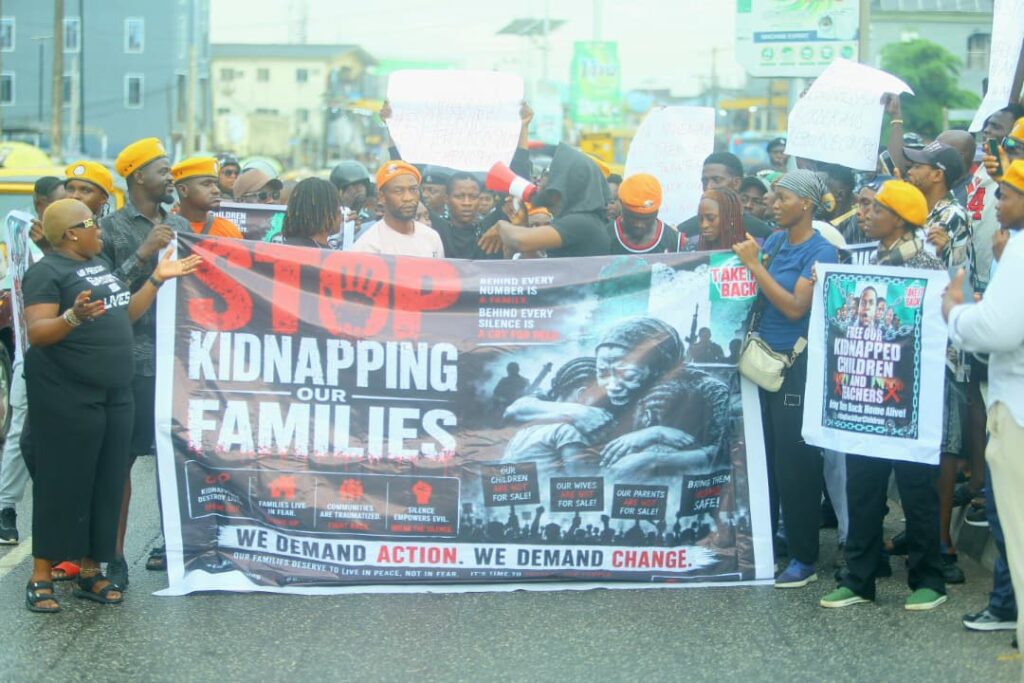
A hunting party and a deadly bomb
Four people, including a local hunter, told AFP the attackers swept into the towns on motorcycles, dressed in military fatigues.
Waliu Aje, a hunter who joined a rescue party the day after the raids, described a desperate pursuit into the reserve.
“We took about 40 motorcycles and rode for about five hours into the reserve,” Aje told AFP. “They started shooting at us when they heard the sound of our motorcycles.”
He said one person was killed and several injured by a “bomb” hidden in a motorcycle abandoned by the kidnappers.
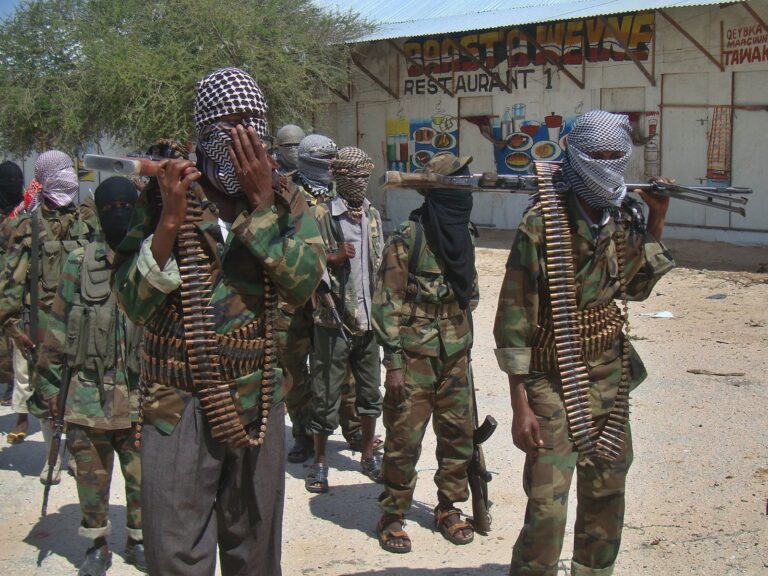
The sprawling Old Oyo forest reserve has long been a haven for jihadist groups, who have exploited its remoteness and limited security presence since Boko Haram’s insurgency began in 2009.
‘No one is safe’
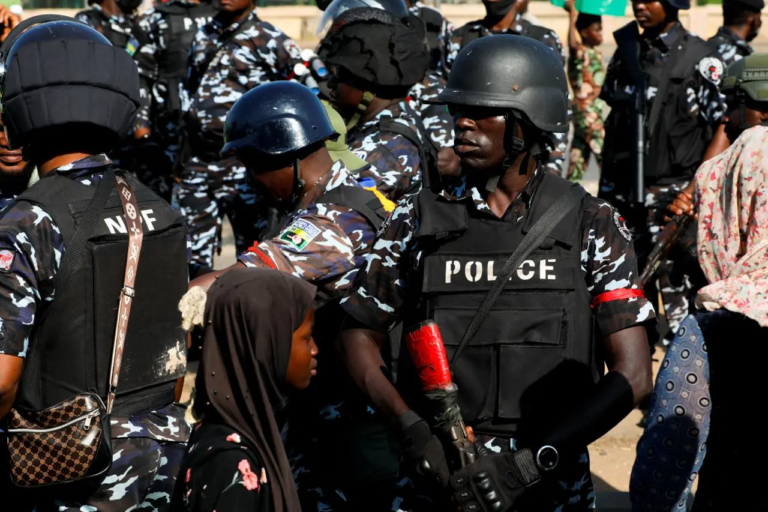
The attack has eroded the sense of security that once defined southwestern Nigeria. Before the raids, Yawota and Ahoro-Esinele had no military presence. A detachment is now stationed at one of the targeted schools.
But for many, the damage is already done.
“There will be no more schooling for them here,” Ojedele said. “No parent would willingly send a child to a school where bandits have kidnapped students.”
Gbeko Fatai, a 54-year-old teacher in nearby Iseyin, echoed the fear.
“We don’t feel safe,” he told AFP. “If (the kidnapping) could have happened to them there, honestly, no one is safe.”
The National Union of Teachers (NUT) has told teachers in the state to withdraw services “till further notice.” The union’s chairman, Hassan Ajibola Fatai, said new security measures — including perimeter fencing — were being discussed for vulnerable rural schools.
“When those things materialise, we will then call off the strike,” he told AFP.
A mother’s regret
For Funmilayo Ojo, the tragedy has brought bitter regret. She had encouraged her daughter-in-law, Mary Akanbi, to relocate to Yawota to take up a teaching job. Akanbi and her two-year-old toddler were among those seized.
Read More : Zamfara Police Arrest Youth Over Video Threat
The abduction has also become a major headache for President Bola Tinubu, who is seeking re-election in January.
Police have announced a new 24-hour emergency line for school-related emergencies. But community leader David Oladele Taiwo told AFP the attackers had exploited a communications blackout in the area, a tactic jihadists have long used in the northeast.