Trending
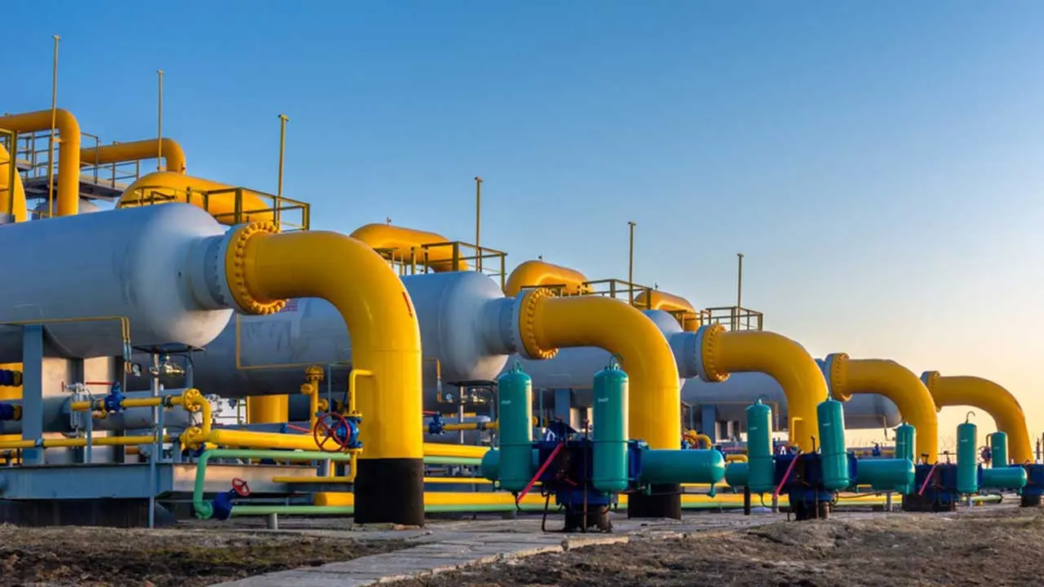
Nigeria’s domestic gas supply has surpassed 2 billion cubic feet per day (bcf/d) as the government accelerates efforts to power industries, boost electricity generation, and eliminate economic bottlenecks.
Minister of State for Petroleum Resources (Gas) Ekperikpe Ekpo disclosed on Friday that overall national gas output climbed to 7.5 bcf/d from roughly 6.8 bcf/d in 2023.
Additionally, Nigeria’s proven gas reserves expanded to 215.19 trillion cubic feet (tcf) from 208.83 tcf.
Read More : Soyinka, J.P. Clark Shaped Me – RMD
To meet rising demand across power generation, petrochemicals, transportation, and export markets, the government aims to achieve 10 bcf/d by 2027 and 12 bcf/d by 2030.
Key infrastructure projects are driving this expansion, including the fully completed Obiafu-Obrikom-Oben (OB3) pipeline, which can transport 2 bcf/d and will soon release over 500 million standard cubic feet per day (MMscf/d) into the local market.
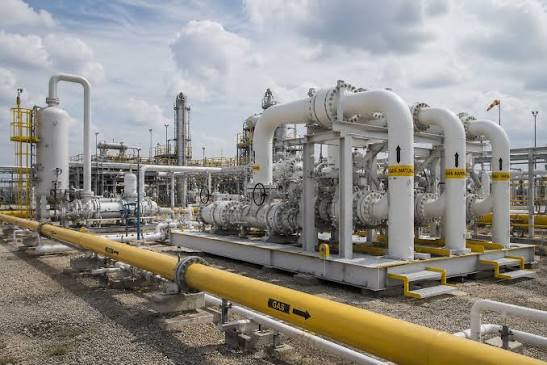
Meanwhile, construction on the Ajaokuta-Kaduna-Kano (AKK) pipeline has reached 95 per cent completion.
Targeting $30 billion in sector investments by 2030, the administration is leveraging public funds to mobilise private capital.
Ekpo highlighted that the government deployed 671 billion naira ($434 million) through the Midstream and Downstream Gas Infrastructure Fund, attracting approximately 1.6 trillion naira in private investments across 31 projects.
Once fully operational, these ventures will deliver an additional 475 MMscf/d to domestic consumers.