Trending

Nigeria’s current security forces are insufficient to match the country’s population and landmass, the presidency has said, as the government moves to recruit more personnel and deploy advanced technology to tackle insurgency, banditry and kidnapping.
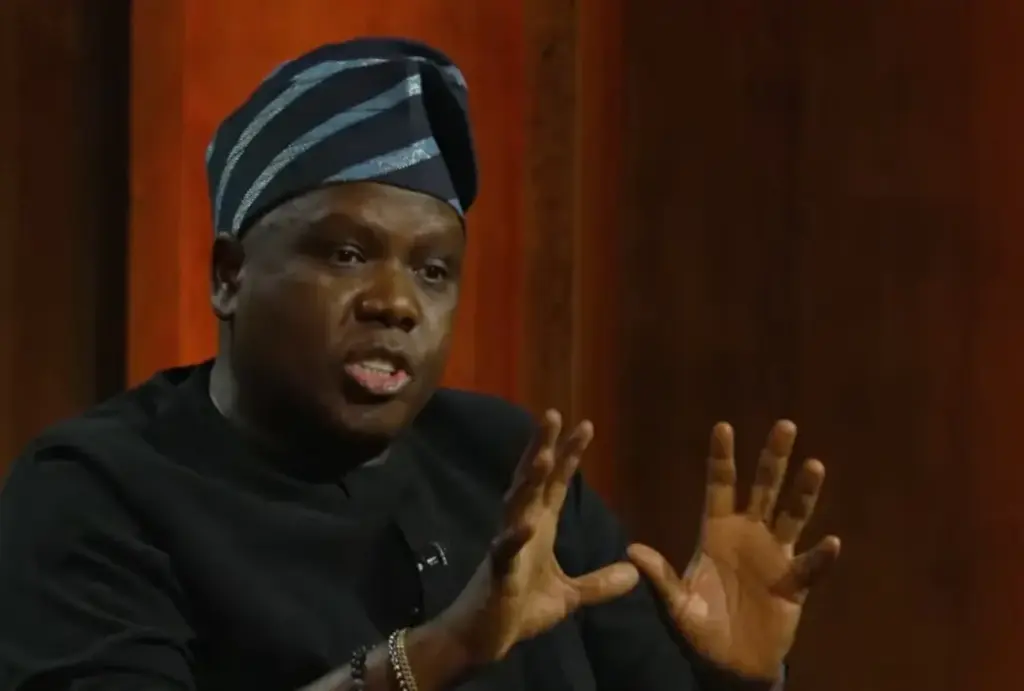
Special Adviser to the President on Media and Public Communications, Daniel Bwala, made the admission during a panel discussion on The Link Up Podcast, hosted by echoRoom and published on Friday.
“We are investing in training and retraining. First of all, we’re investing in recruiting more security personnel because the one we have, they are not sufficient to match with the population and the landmass,” Bwala said.
He said some of the new recruits would serve as forest guards to check terrorists exploiting forests to hide and mine resources illegally.
“We needed to send people to the forest, so we have to recruit more and send them to forest guards as forest guards. Those ones, the terrorists, are also stealing our mines and resources,” he said.
According to Bwala, marine security operations were being expanded along with the police, military, and the Department of State Services.
“We also have these marine guys there. We’re increasing police, soldiers and DSS. So in terms of personnel, we’re increasing them,” he said.
Regarding technology, Bwala stated that interception systems and drones were being used to support 24-hour surveillance.
“We’re investing in technological devices that, in modern days, help us when we are sleeping, which is the drone system, interception and all that,” he said.
The presidential aide also revealed that Nigeria had extended a joint military partnership with the United States and was working with its neighbours in the Sahel to combat terrorism.
He claimed that while other units stayed in the nation to conduct training, the specifics of which he said were classified, special forces had just finished a round of operations.
“We will not tell the world the nature of the training. We don’t want our enemies to know. There are certain things that are classified because we don’t say it, people tend to think government is not working,” he said.
Bwala said troops relied on intelligence and reconnaissance to track targets, sometimes waiting until they left populated areas before striking, to avoid collateral damage to civilians.
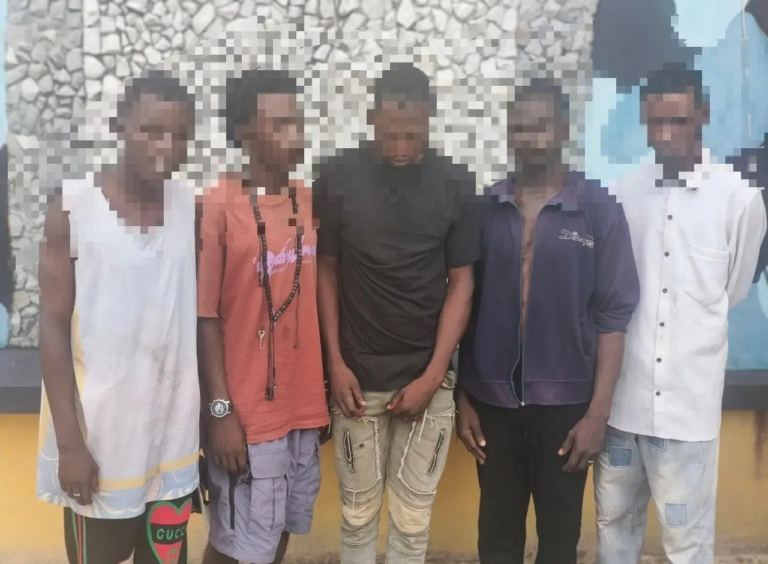
He referred to kidnappings and abductions as a “crisis economy,” claiming that terrorists and Nigerians, including the victims’ neighbours, were sometimes responsible for the crimes.
“The kidnappings and the abductions you see, which is a crisis economy, is done sometimes by the terrorist and at other times by Nigerians. Sometimes when it is done, they arrest people and discover that they are neighbours,” Bwala said.