Trending
Nigeria LNG Limited (NLNG) has generated more than $150bn in cumulative revenue and exported over 6,000 cargoes globally since launching operations 37 years ago.
Managing Director Adeleye Falade revealed the figures during his maiden media briefing on Tuesday, emphasising the company’s major fiscal impact on the national economy.
NLNG has paid $47.2bn in dividends to shareholders, remitted over $10bn in taxes to the Nigerian government, and built an asset base valued at $23bn.
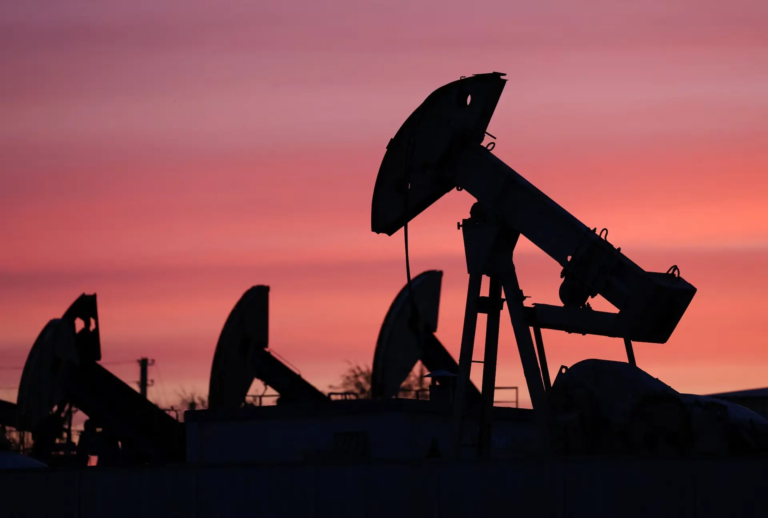
Falade clarified that NLNG purchases natural gas from upstream producers to process, liquefy, and ship to international markets rather than producing raw gas directly.
Through its 49 per cent equity stake, the Nigerian government remains NLNG’s primary shareholder and benefits additionally from gas purchase revenues, petroleum taxes, and statutory levies.
NLNG currently operates six liquefaction trains with a capacity of 22 million tonnes per annum and maintains a fleet of 22 dedicated vessels.

The company supplied a record 500,000 tonnes of cooking gas to the domestic market last year, meeting roughly one-third of national demand.
Since 2022, NLNG has directed 100 per cent of its cooking gas output locally to improve access to cleaner energy, reduce deforestation, and cut indoor air pollution.
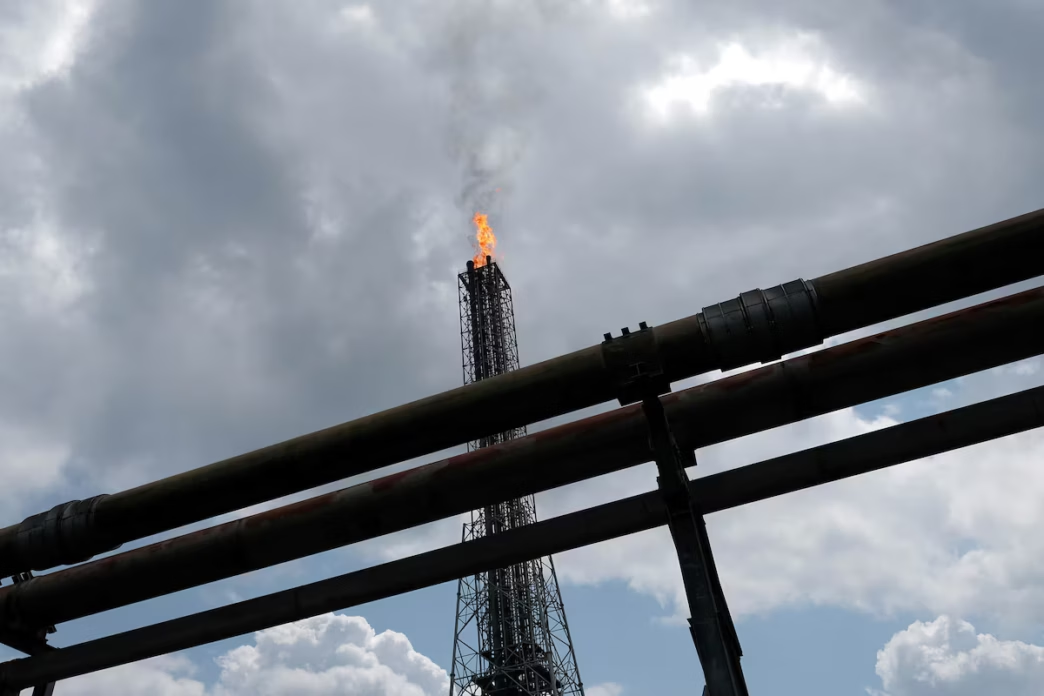
Furthermore, by creating a commercial market for associated gas, NLNG has helped reduce Nigeria’s gas flaring rate from 65 per cent to below 20 per cent.
To capitalise on Nigeria’s 209 trillion cubic feet of proven gas reserves, NLNG is advancing its Train 7 expansion project to boost annual production capacity by 35 per cent to 30 million tonnes.
The project will also increase local cooking gas supply by 250,000 tonnes annually.
Falade noted that NLNG has initiated preliminary discussions regarding Trains 8, 9, and 10 to ensure Nigeria remains competitive in the global energy market.