Trending
While many conversations about education in Nigeria focus on access to classrooms, an educator in Enugu State is working to address a different challenge: ensuring children develop the practical skills needed to navigate everyday life.
Through Kidpreneur Place, social entrepreneur and educator Philomena Nwajagu is using play-based learning to help children build confidence, leadership, creativity, emotional intelligence, and financial responsibility.
The learning centre, established in 2018, has grown from a personal experiment at home into a structured programme that has reached more than 6,000 children.
For Nwajagu, the goal is to help children discover purpose beyond academic performance.
Her journey began after she became a mother and reflected on how children learn outside traditional classrooms. Having moved to Enugu in 2011 to study Management at Enugu State University of Science and Technology, where she later earned a master’s degree, she started exploring ways to make learning more practical.
The turning point came when her daughter expressed an interest in learning the piano.
“My daughter wanted to play a piano, so we decided to buy her one,” Nwajagu said. “It became an opportunity to teach her about setting goals and saving towards something she wanted. Today she plays the piano, and she sings too.”
That experience convinced her that children learn valuable lessons through everyday experiences, inspiring her to create a learning environment centred on experiential education.
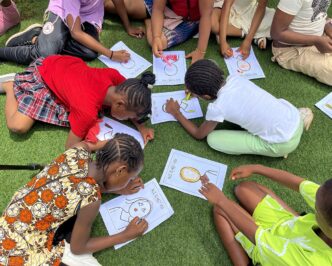
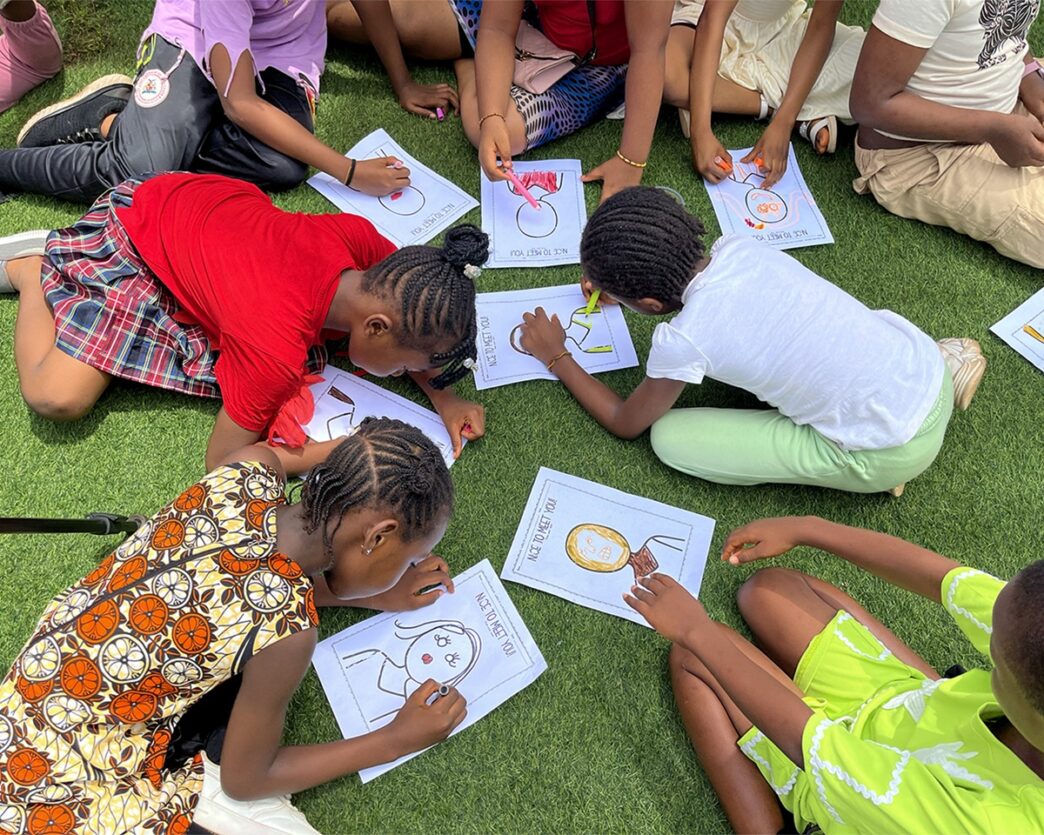
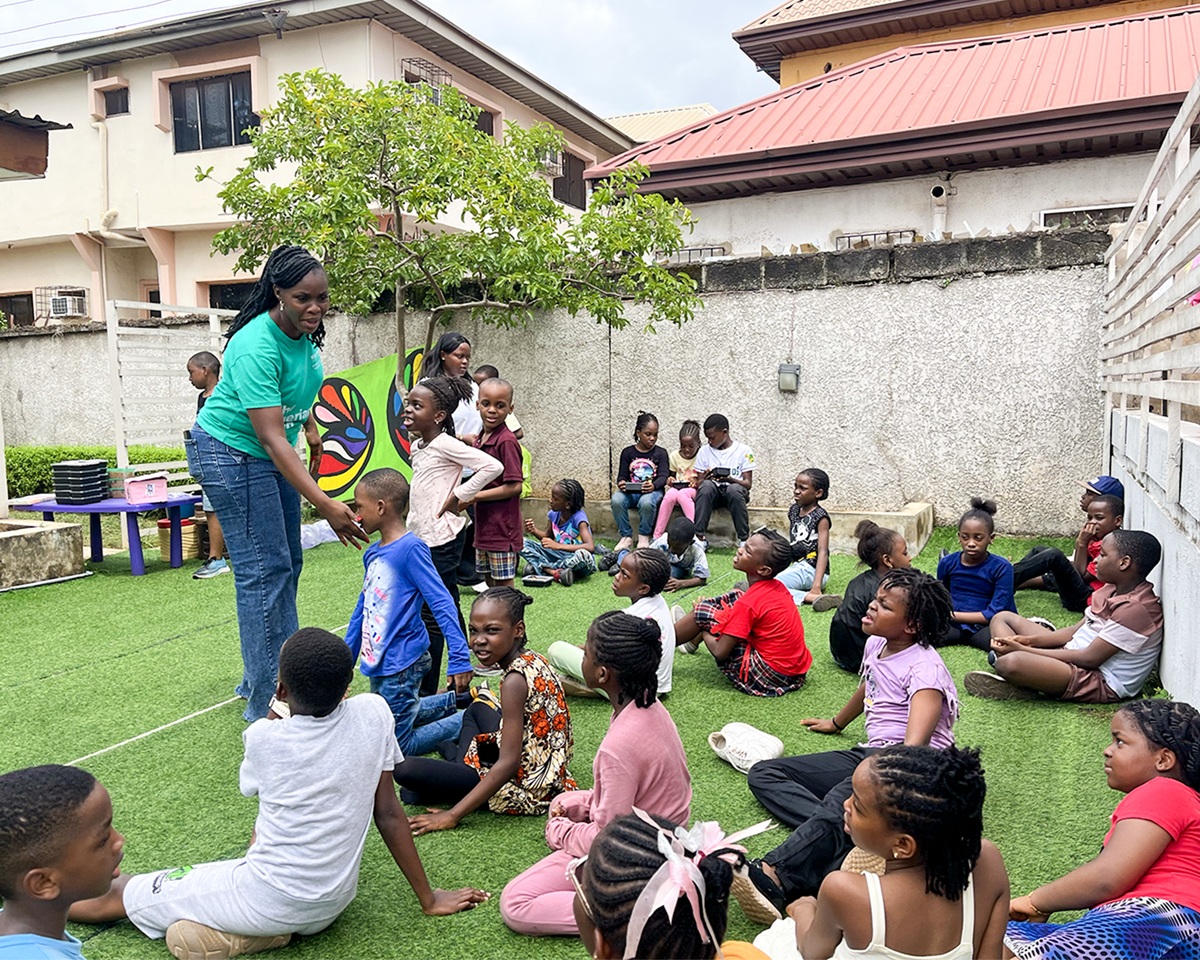
At Kidpreneur Place, children participate in activities ranging from puzzles, storytelling, and music to public speaking, leadership exercises, and role-play, all designed to strengthen communication, teamwork, and problem-solving abilities.
Jennifer Ekwueme, an intentional parenting advocate and Executive Director of Salma Private School and The SafeHands, also in Enugu, believes that such informal learning complements classroom education.
“Informal education teaches children how to live, how to be human, and how to interact with society,” she said.
She added that combining academics with life skills helps children become more rounded.
“When children are book smart and also learn life skills, they become more balanced. Through play, they learn communication, conflict resolution, and teamwork.”
According to UNICEF, Nigeria has about 10.5 million out-of-school children between the ages of five and fourteen, while only 61 per cent of children aged six to eleven attend primary school regularly. Beyond access to education, experts say that many children enrolled in school still leave without acquiring essential social and practical skills.
Kidpreneur Philomena Nwajagu. Credit: Bird. However, when Nwajagu first introduced the concept of play-based learning, convincing parents proved difficult.
“At first, there was no support,” she said. “People would ask what the children were coming to do. I would say we play because children learn through play, but they did not understand it yet.”
Acceptance gradually grew as parents began noticing changes in children who participated in the programme.
“I started with one child, and we built from there,” she recalled. “Over time, that child became a testimony. People began to see confidence, creativity, and leadership develop in ways they did not expect.”
One of those children was Oma Nwajagu, who credits the programme with helping her overcome shyness.
“When I first started coming here, I was shy,” she said. “Through public speaking activities, I became more confident. Now I can speak in front of a crowd without being afraid.”
Over the years, Kidpreneur Place has expanded to include several initiatives tailored to different stages of childhood development.
Its Flower Bloom programme mentors girls through puberty, covering topics such as menstrual hygiene, emotional wellbeing, journaling and self-confidence, while also involving boys in discussions about adolescence and personal development.
Another initiative, The Nigerian Seed, introduces children to democracy through mock elections, allowing them to form political parties, campaign and vote in a simulated electoral process.
Explaining the concept, Nwajagu said:
“Do you know how your president is being elected? Do you know what he does behind the scenes? Do you know how to vote? Even though we know, yes, you’re not yet 18, but what if we could prepare you before you turn 18? And so they go through that phase, of course, in a comical way, so we get to have a child who is now the aspiring president.”
The centre also runs Shoe My Feet, an initiative that initially provided footwear to disadvantaged children but has since evolved into an award-winning programme that teaches participants how to make shoes using locally available materials, promoting creativity, entrepreneurship and environmental sustainability.
Despite its growth, Nwajagu said building trust has not always been easy.
“As a woman, people often ask who you are and what gives you the authority to do this work,” she said. “But support from family and community helped me continue.”
Looking ahead, she hopes to establish Kidpreneur Place centres across Nigeria to prepare more children for the future of work while contributing to global development goals.
For Nwajagu, education extends beyond textbooks and examinations.
“It teaches you those skills you cannot learn only in school,” she said. “It teaches you the small things people think do not matter, but they actually do.”
By Chidera Sam-Eze, Bird Story Agency.