Trending

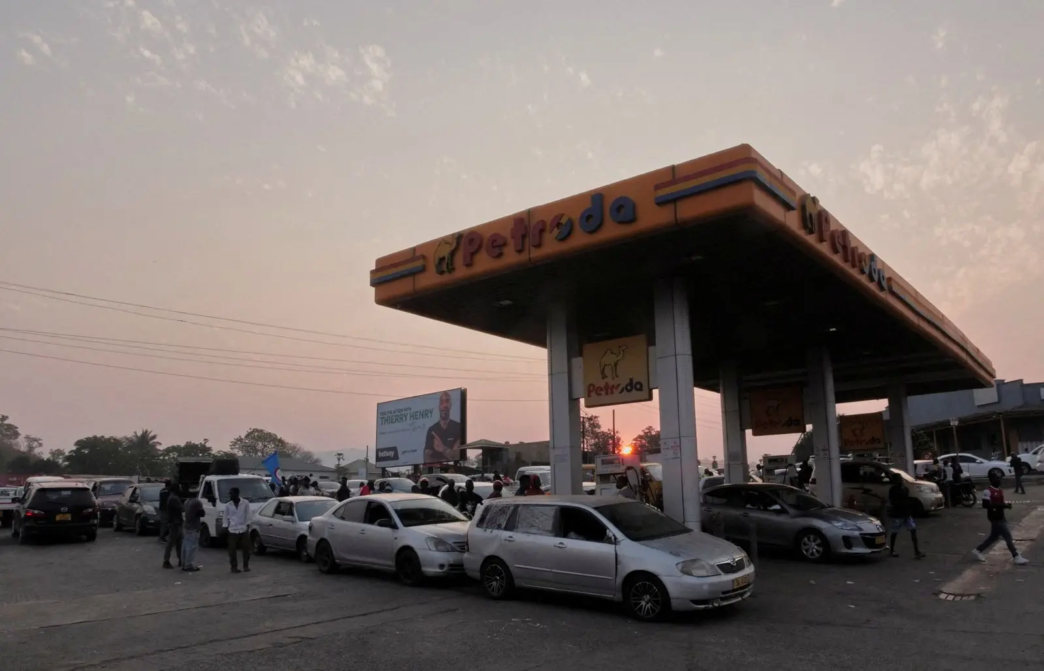
A surging queue of drivers and motorcyclists jockeyed for position in Lilongwe as word spread that a fuel tanker was finally approaching a capital filling station.
Years of chronic fuel shortages have pushed Malawi’s petrol prices to $3.24 a litre—the highest in Africa and second-highest globally—disrupting livelihoods and straining an economy severely starved of foreign currency.
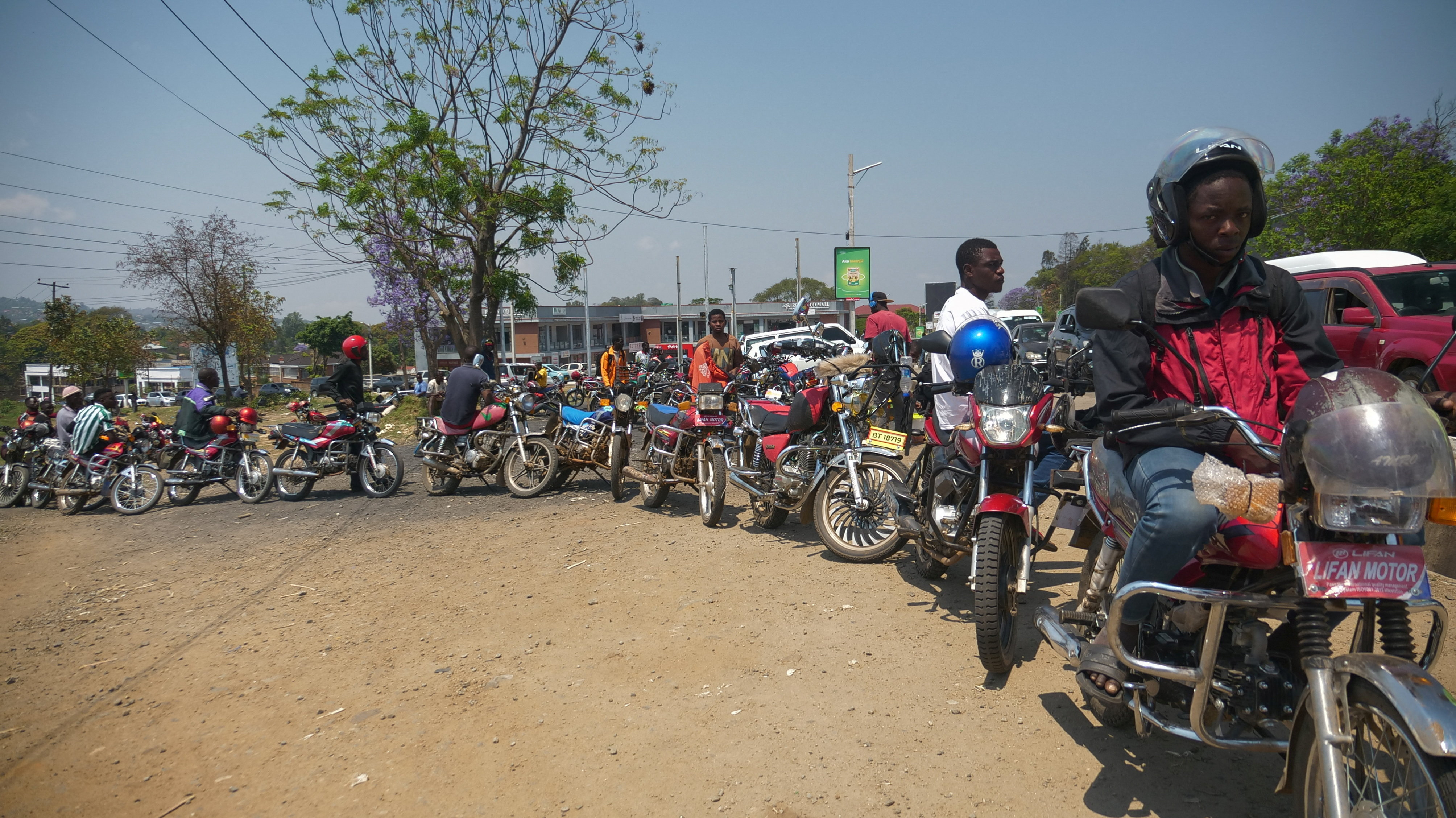
Motorcycle taxi operator McDonald Kachule now spends more time waiting in fuel lines than running his six-year-old business.
Read More : British Woman Rescued In Malawi Operation
Tight rationing forces many motorists to turn to the black market, where petrol can cost up to 20,000 kwacha ($11.50) a litre.
To stretch limited supplies, fuel retailers restrict motorcycle taxis to just two litres per purchase and small cars to 20 litres, leaving drivers like teacher Elita Mtiyesa waiting four hours in line after school just to secure basic transport.
Government officials attribute the severe crisis to a shortage of foreign exchange required for imports, compounded by international supply disruptions from the war in the Middle East.
Malawi consumes about two million litres of fuel daily, requiring $49 million a month in foreign currency—an annual total exceeding the nation’s entire $545 million tobacco export earnings from 2025.
Read More : Video: Cameroon Beat Malawi 3-0 to Win WAFCON
Although Energy Minister Jean Mathanga announced the procurement of over 23 million litres of fuel, banks still struggle to honour letters of credit, prompting the government to sell gold reserves for emergency financing.
Economists warn that fuel scarcity threatens food security by halting the transport of fertiliser and essential goods to farmers across the agricultural nation.
Amid the widespread disruption, local electric motorcycle companies report surging demand from riders seeking relief from high petrol prices, though foreign-currency shortages continue to constrain their expansion.