Trending

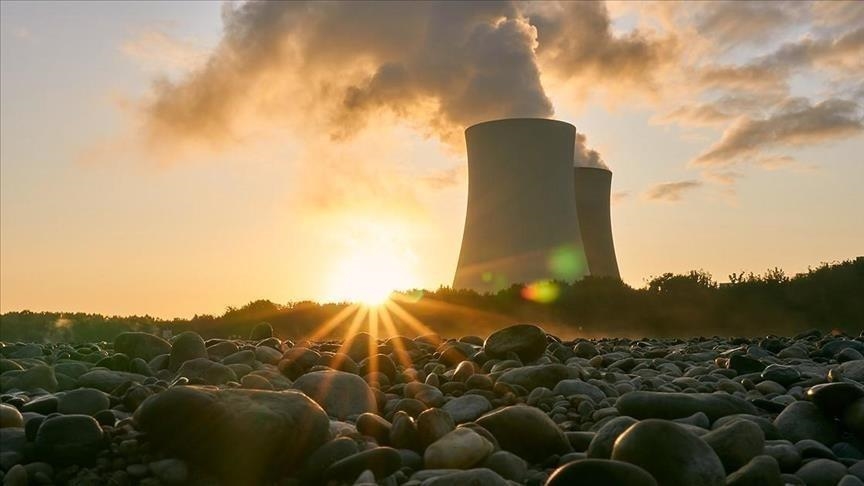
Rwanda has signed civil nuclear cooperation agreements with the United States government and the American firm Holtec International to evaluate the potential of small nuclear reactors.
The initiative is designed to boost the East African nation’s domestic power supply and drive long-term economic development.
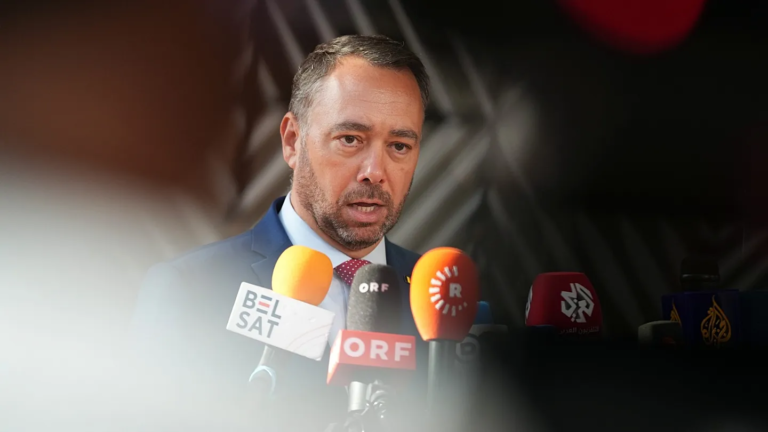
Renee Sonderman, an official from the US Bureau of Arms Control and Nonproliferation, stated that the partnership aligns with Washington’s broader strategy to expand global nuclear alliances and position American firms to export advanced, safe technology to responsible partners.
Read More : Belgium, Rwanda Restore Diplomatic Ties
The development agreement with Holtec International specifically focuses on advancing the potential deployment of its SMR-300 units.
Small Modular Reactors, or SMRs, are significantly smaller than traditional nuclear facilities and have gained global attention due to their lower construction costs and quicker installation times.
Despite the international push for SMR technology, industry sceptics still harbour doubts regarding whether these smaller systems will ever achieve widespread global adoption.
Read More : Rwandan Filmmaker Opens Doors Behind Camera
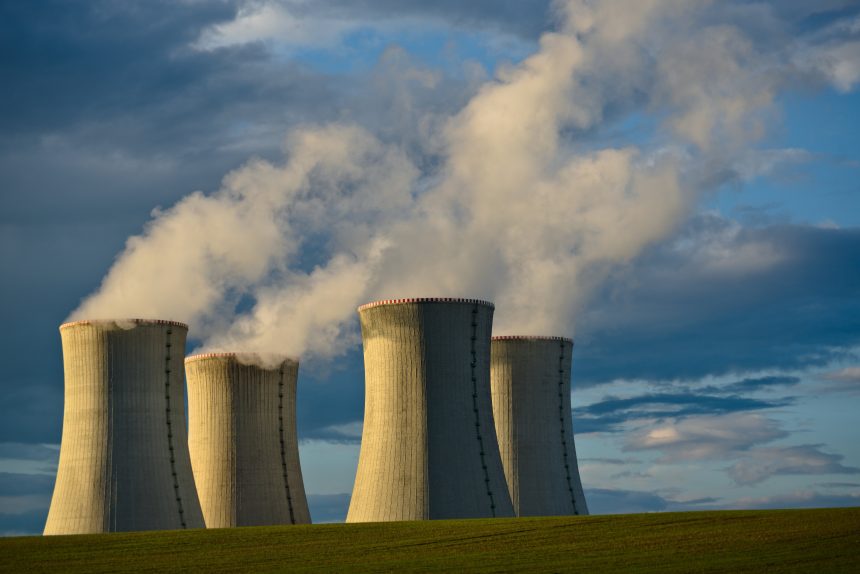
Currently, South Africa operates the only functioning nuclear power plant on the African continent, though the Russian state-owned enterprise Rosatom is actively constructing another facility in Egypt.
Fidele Ndahayo, chief executive of the Rwanda Atomic Energy Board, revealed that Rwanda aims to have its inaugural nuclear reactor operational by the early 2030s.
He clarified that the current phase of the Holtec agreement will centre on evaluating viable geographical sites and determining if the SMR-300 technology will be viable for the country once it fully matures.