Trending
The South African government has withdrawn a directive on the processing of asylum applications after the measure contributed to overcrowding at refugee reception offices and renewed tensions involving foreign nationals and anti-migrant protesters.
The Department of Home Affairs announced the decision on Friday, saying the directive had resulted in “serious consequences” after hundreds of asylum seekers visited reception centres to process their applications. The department said some offices became overwhelmed within days, putting officials at risk and threatening public safety and order.
The directive followed a Constitutional Court ruling that found certain procedural barriers affecting asylum seekers unconstitutional. Authorities had instructed refugee reception offices to process applications in line with the ruling.
Read More : AEW 2026: Cape Town Hosts 10,000 Energy Leaders
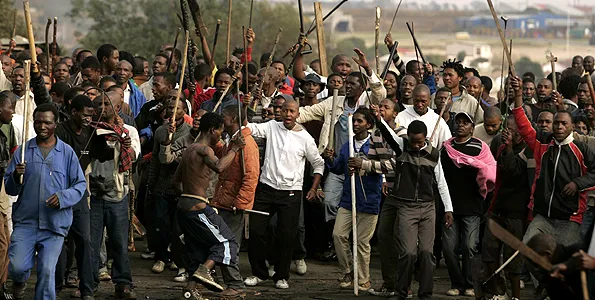
However, the rise in applicants coincided with protests organised by groups campaigning against illegal immigration.

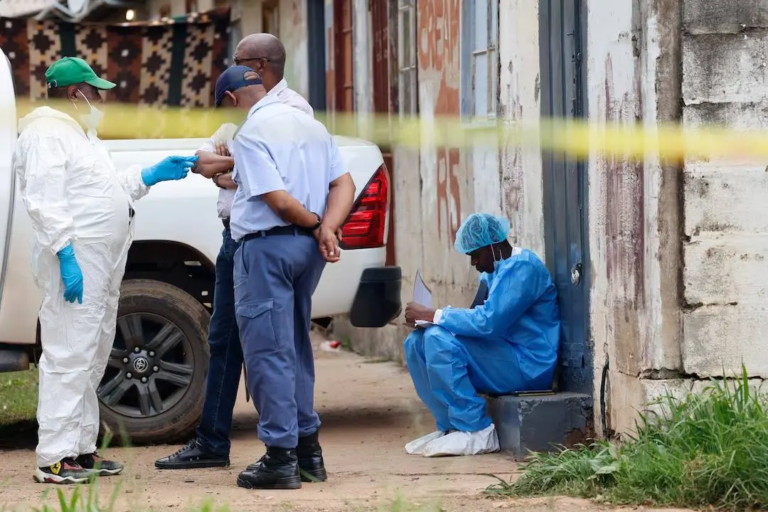
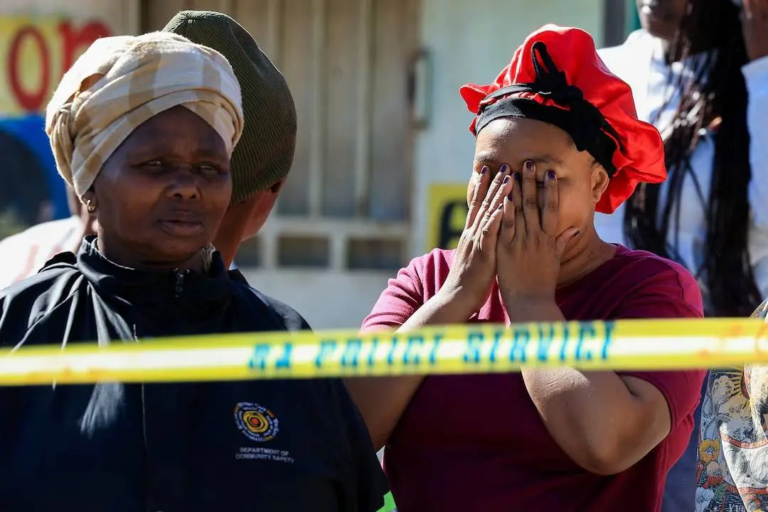
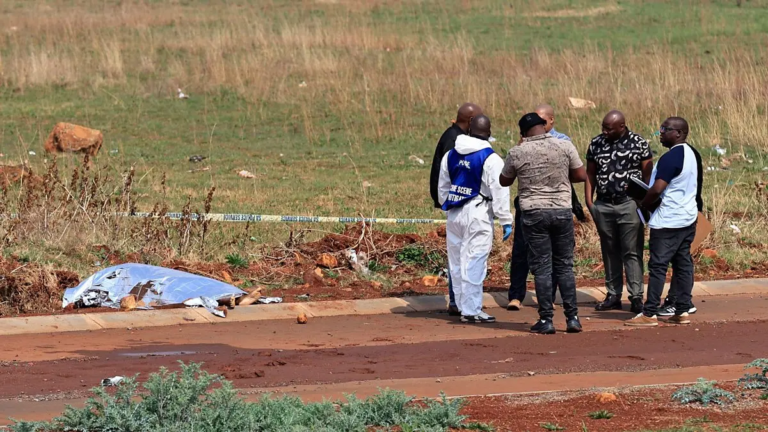
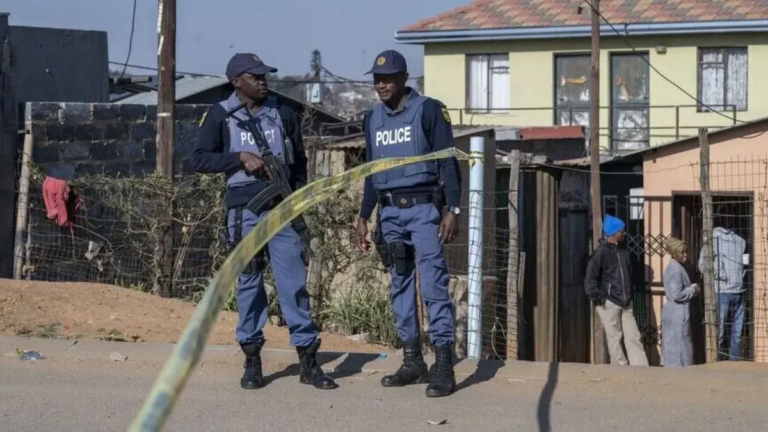
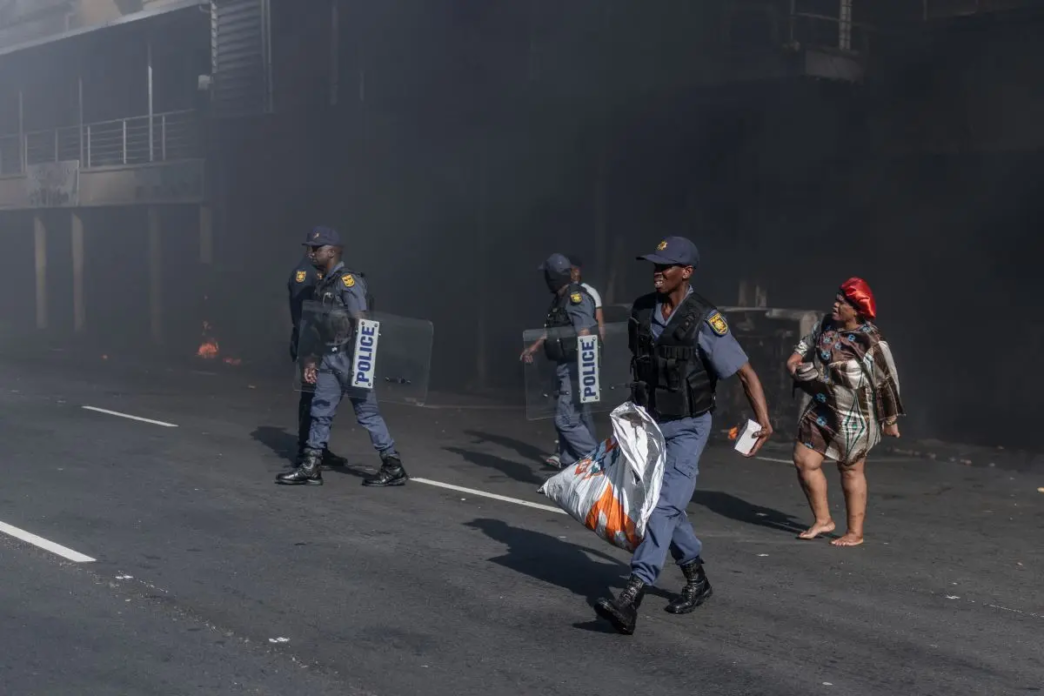
Violence was reported in Soweto, Johannesburg, and the port city of Durban on Thursday. Police said vehicles were torched, foreign-owned convenience stores were looted and a municipal building in Durban was set on fire. At least 14 vehicles were reportedly burned in Durban, while about 10 were torched in Soweto. Three foreign nationals were arrested over the alleged assault of a South African protester.
The Home Affairs Department said it would begin a new process after the directive was withdrawn.
South Africa has experienced recurring tensions over migration for nearly two decades, with foreign nationals sometimes accused of competing with citizens for jobs and public resources. Such claims remain disputed, particularly in a country where unemployment is above 30 percent.
Immigration has also become a major public issue before South Africa’s November 4 local government elections.
Earlier violence prompted foreign nationals from several African countries to leave South Africa. Zimbabweans and Malawians were among the largest groups to depart, while nationals of Ghana, Kenya, Lesotho, Mozambique, Nigeria and Uganda also returned home, some through government-assisted repatriation programmes.