Trending


South Africa’s water crisis has reached emergency levels, as contaminated rivers and failing wastewater systems pose serious public health risks, a new WaterCAN study warns.
The Executive Director at WaterCAN, Dr Ferrial Adam, stated that about 66% of the open water tested showed the presence of bacteria.
“We gave out about 500 testing kits to do these tests around the country. About 139 were done and uploaded to our map. From that, there were some that were done on rivers and some which were done on tap water. Because of the lack of access to water, we also said that people should do testing on JoJo tanks because that’s what people use in informal settlements.
“What our results showed us is that many of the rivers, in fact, almost about 66% of the open water that was tested, showed the presence of E. coli.”
She adds, “In terms of our rivers and streams, quite honestly, they turn into open sewers because of the amount of sewage that’s flowing into our open waters, and that is actually very worrying.
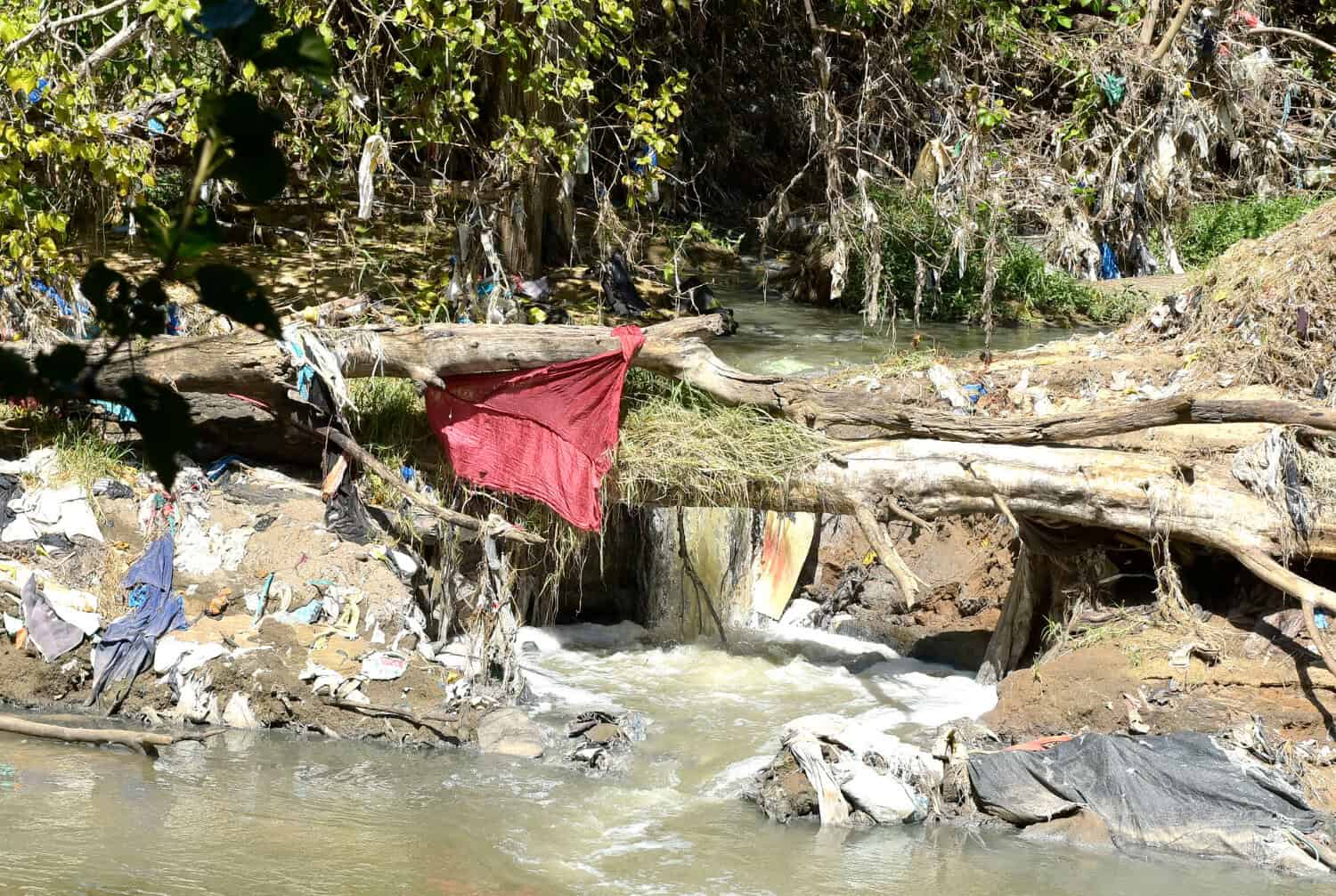
“Our water is full of poo-poo. We know this because almost 70% of our wastewater treatment works are not working well. They are in a critical state, and they are spewing raw sewage into our rivers and streams.”
While most urban tap water in South Africa is still treated, Adam warns that safety varies by location, with parts of the Eastern Cape, Free State, North West, and Northern Cape already unsafe to drink directly from the tap.
The report also criticises the government’s reliance on water tankers as a long-term solution, warning that infrastructure failures, unpaid contractors, and political inaction are worsening the crisis.
Adam said there is a clear problem with what she called the “water tank mafia,” warning that municipalities’ purchase of water tanks seems to suggest that is how residents will receive water.
She hinted that such measures should be temporary and subject to public scrutiny.
Adam called on citizens to push back against complacency, stating that public pressure and civil society action are now essential to prevent further deterioration of South Africa’s water systems.