Trending
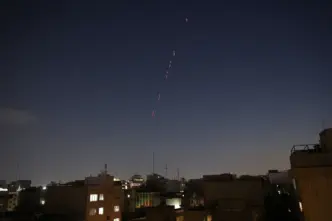
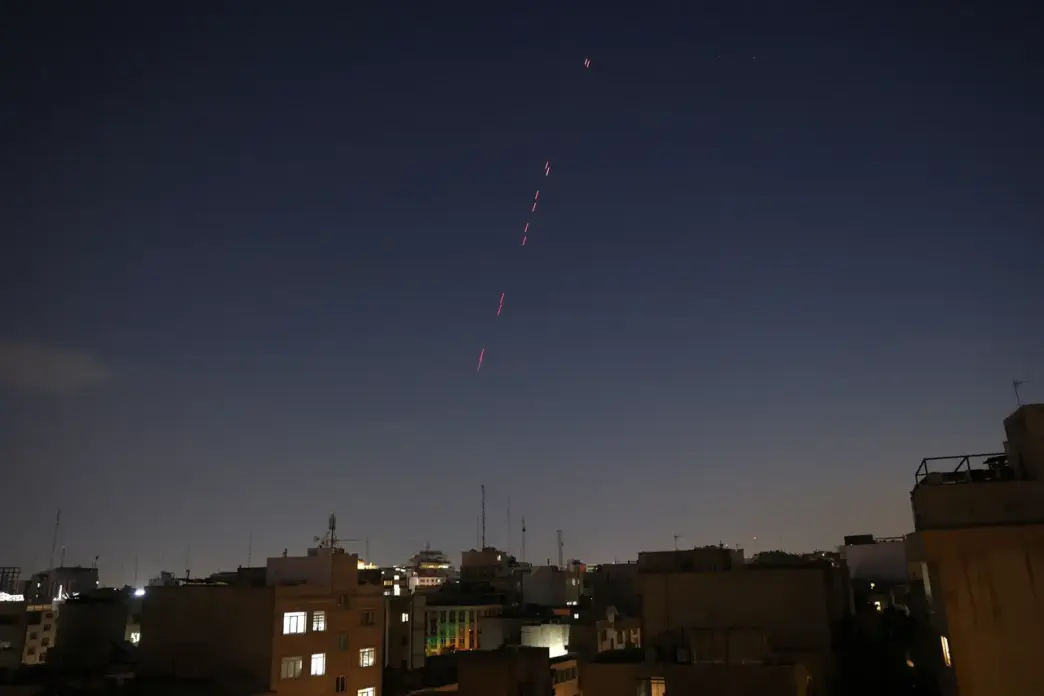
Tehran activated its air defences on Thursday in response to small aircraft and reconnaissance drones, reportedly heard in parts of the Iranian capital.
The response lasted about 20 minutes before the situation was deemed “normal,” according to reports from the Tasnim and Fars news agencies. This was the latest in a series of heightened tensions as the geopolitical standoff between the United States and Iran continues to escalate.
The timing of the air defences’ activation coincided with a critical moment in the US-Iran conflict. The Trump administration faced a looming deadline to secure congressional approval for the ongoing war with Iran. The 60-day window for seeking such authorisation, a provision under the War Powers Resolution, was set to expire at midnight.
Read More : Washington Tightens Iran Economic Squeeze
Despite this, the White House has indicated that it will not be constrained by the deadline, citing a ceasefire agreed upon last month as effectively pausing hostilities.
“For War Powers Resolution purposes, the hostilities that began on Saturday, February 28 have terminated,” a senior administration official explained, noting the lack of active military exchanges since the ceasefire on April 7.
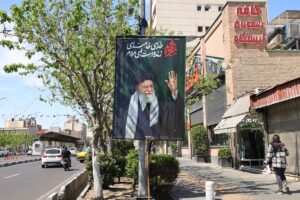
Earlier in the day, Iran’s Supreme Leader, Ayatollah Ali Khamenei, defiantly dismissed US warnings, declaring that the US had suffered a “shameful defeat” in the region. Khamenei praised Iran’s control over the strategic Strait of Hormuz, claiming that the country’s dominance in the area marked a turning point. He forecasted a future free from US intervention, stating that those who interfere from afar “have no place there except at the bottom of its waters.”
Meanwhile, the US has intensified efforts to rally an international coalition to safeguard shipping through the Strait of Hormuz, even as it maintains a blockade of Iran’s ports.
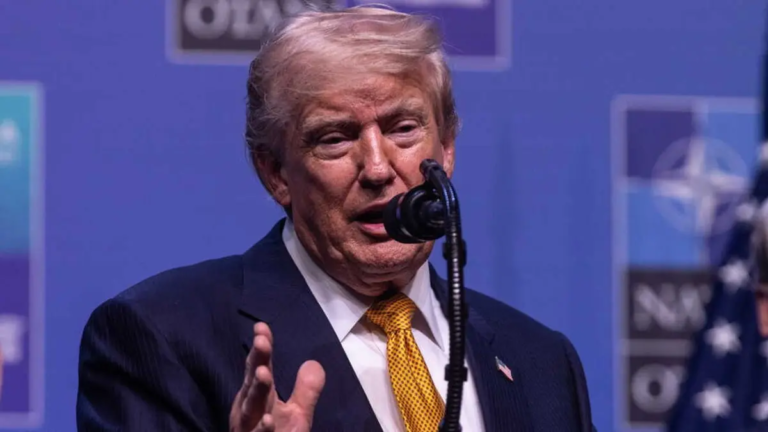
In parallel, President Trump escalated his rhetoric, threatening to withdraw US troops from Italy and Spain over their lack of support for US operations against Iran, further souring relations with NATO allies.