Trending
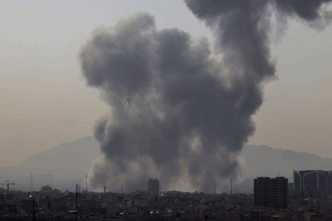
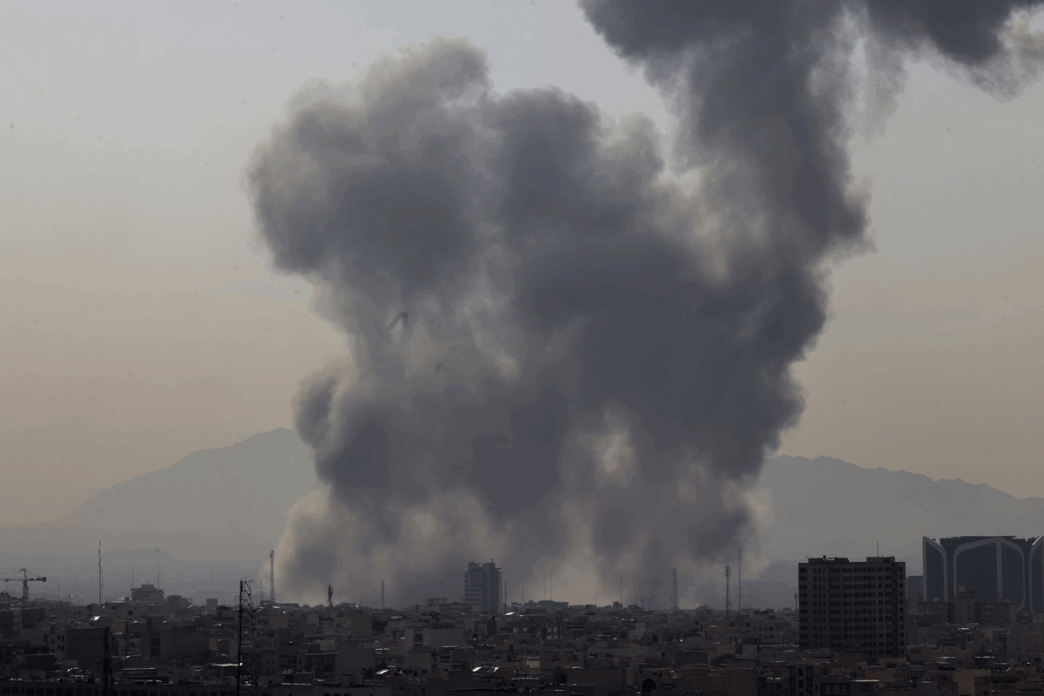
After talks and a crackdown on large-scale demonstrations against the Islamic Republic, the United States and Israel carried out strikes against Iran.
Here are the key actors in the crisis:
– President Donald Trump –
Trump has long positioned himself as a global dealmaker, but his stance on Iran has been consistently tough. Last year, US forces joined Israel in strikes on Iranian nuclear sites. During January’s protests in Iran, he warned he would hit “very hard” if authorities resorted to deadly force.
In his first term, he pursued a “maximum pressure” strategy to weaken Iran economically and diplomatically, including withdrawing the US from the 2018 nuclear agreement.
While Tehran insists its nuclear programme is peaceful, Trump has repeatedly accused it of seeking weapons. He resumed indirect talks with Iran in February, continuing a mix of negotiation and threats.
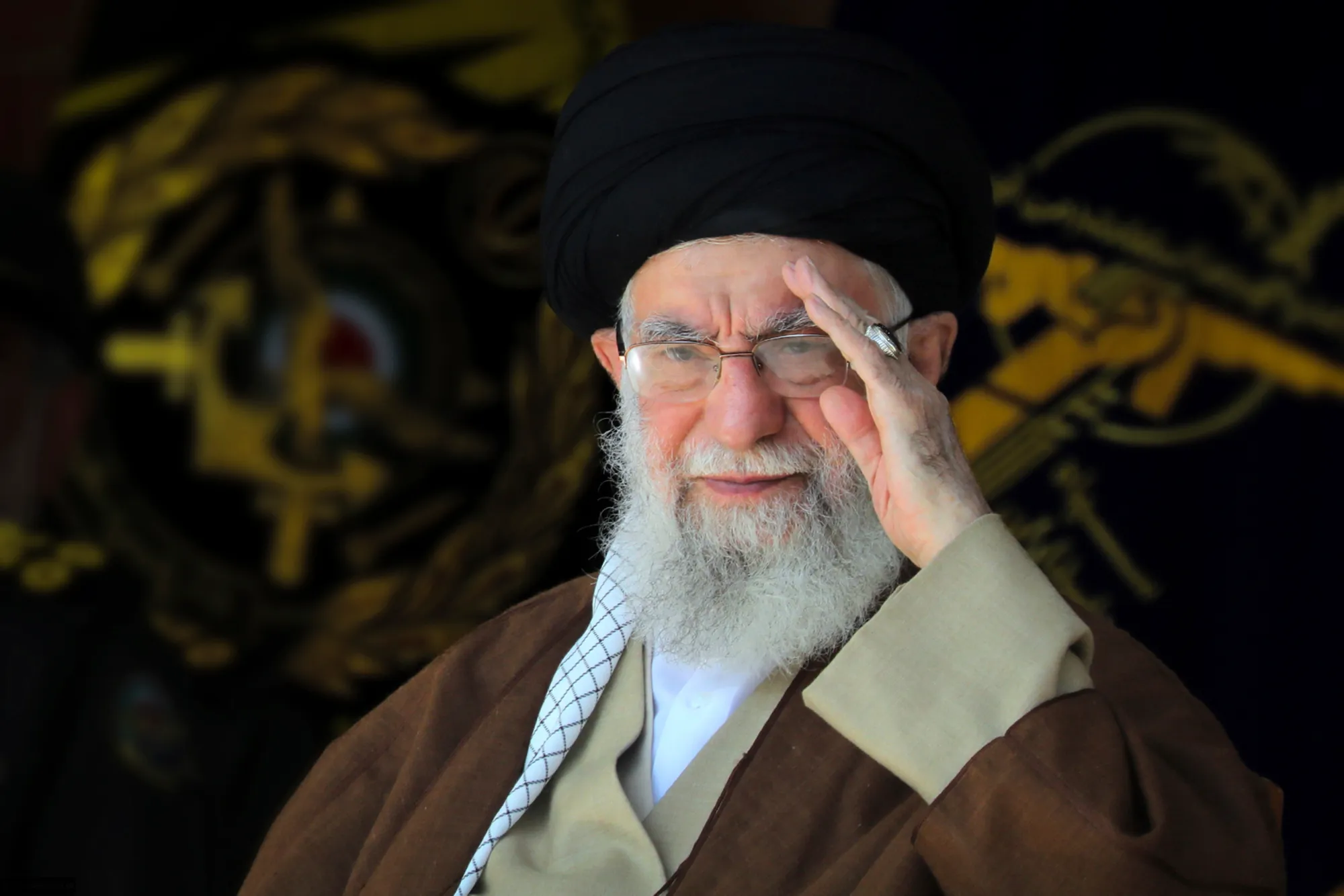
– Ayatollah Ali Khamenei –
Iran’s 86-year-old supreme leader embodies the country’s defiance toward the US and Israel.
In power since 1989, Khamenei oversees Iran’s nuclear programme, framing uranium enrichment as a sovereign right. He has expanded Iranian influence in Lebanon, Syria, Iraq, and Yemen and remains highly sceptical of diplomacy.
During the 2025 talks, he expressed doubt about any deal’s effectiveness and warned that Iran could sink US warships. Khamenei refuses to abandon uranium enrichment or discuss missile programmes, warning that any war would be regional.
“The Americans should know that if they start a war, this time it will be a regional war,” he warned.
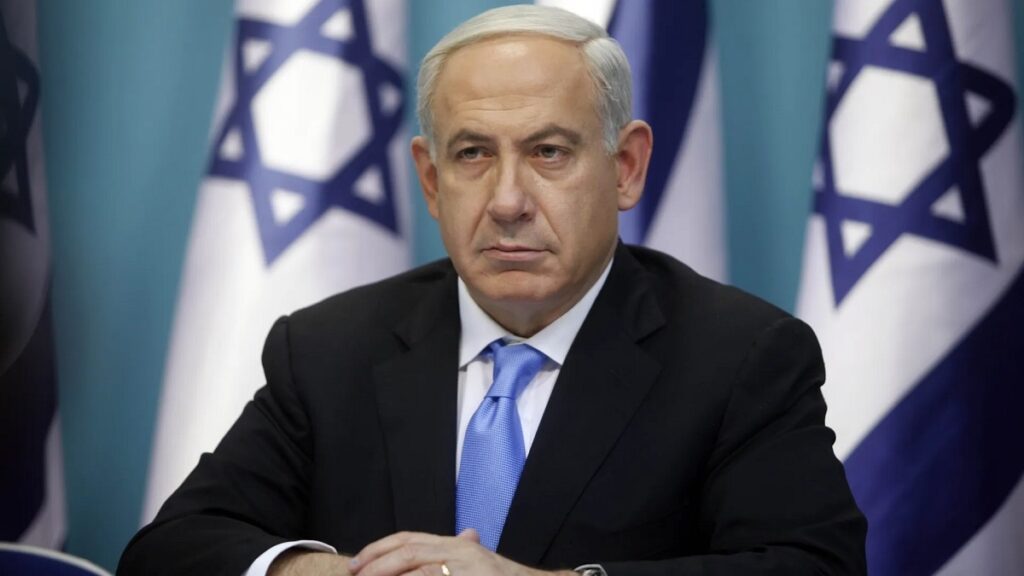
– Prime Minister Benjamin Netanyahu –
Netanyahu sees Iran’s nuclear ambitions, missile arsenal, and support for militant groups as existential threats. His push for military action intensified during last June’s 12-day war, and he has continued to signal that Israel will act to prevent Iran’s rearmament.
Speaking to Iranians in January, he called for freedom from tyranny and warned, “if the ayatollahs make a mistake and attack us, they will experience a response they cannot even imagine.”
Netanyahu has repeatedly urged the Iranian people to overthrow their leaders and restore pre-1979 ties with Israel.
– Reza Pahlavi, the shah’s son –
The eldest son of Iran’s last shah, Reza Pahlavi, positions himself as a leader for a democratic transition, though he has not set foot in Iran since the revolution.
His name surged during recent protests, with demonstrators chanting “Pahlavi will return.” Based in the US, he has urged Iranians and international supporters to take action, calling for the end of the Islamic Republic and seeking US backing.
“I am here to guarantee a transition to a secular democratic future,” Pahlavi told supporters in Munich in February.
“It is time to end the Islamic republic,” he said, urging Trump to “help”.
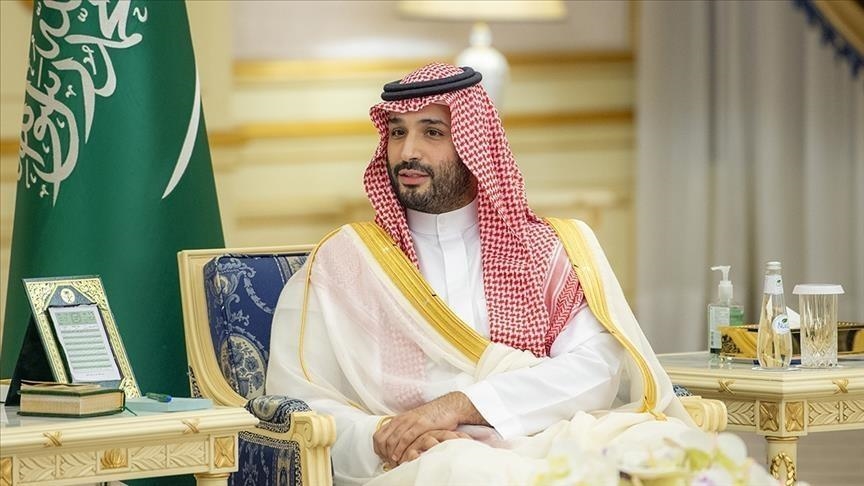
– Crown Prince Mohammed Bin Salman –
The de facto ruler and crown prince of Saudi Arabia has long held the same opinion as other Gulf states: they are relieved to see Iran less powerful but worry that destabilising it could lead to regional instability.
Saudi Arabia, the world’s largest oil exporter with a Sunni majority, has historically had a tense relationship with Iran, its fierce Shiite rival across the Gulf.
Prince Mohammed made headlines in Tehran a few months after ascending to the throne in 2017 when he called Khamenei a “Hitler” from the Middle East.
However, in 2023, during a rapprochement mediated by China, Riyadh and Tehran put their differences aside.
When a US attack first seemed likely in January, Saudi Arabia and other Gulf countries urged Washington to wait. Saudi Arabia has made regional stability its top priority.