


 Trending

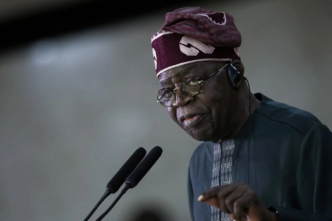
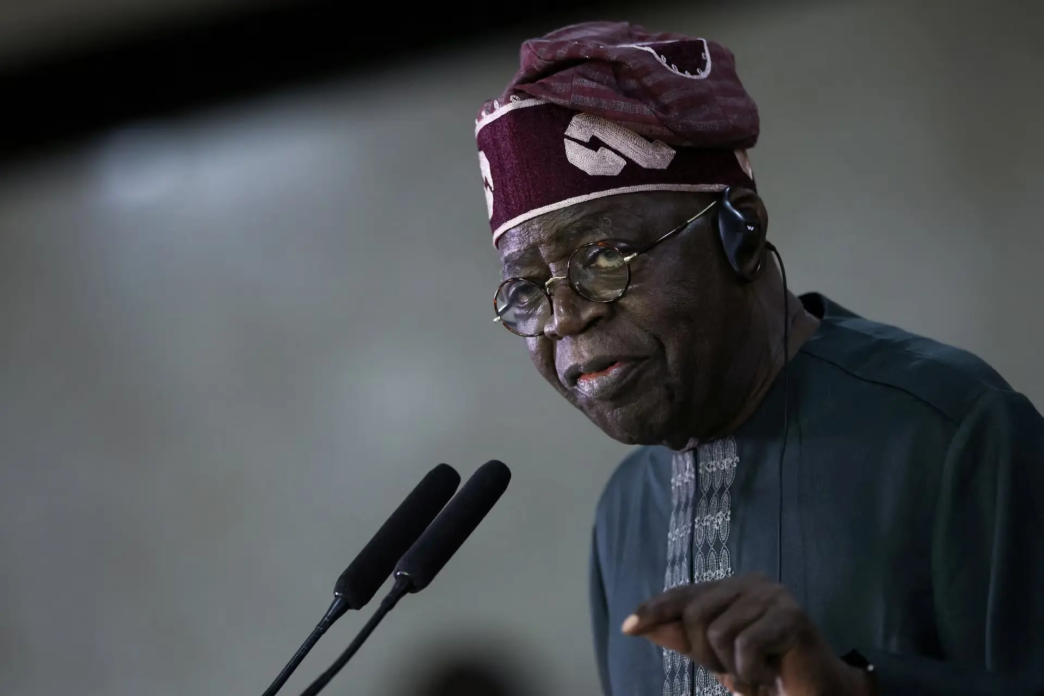
Former Osun State Governor, Bisi Akande, has said President Bola Tinubu should remain in office for up to 10 years, if possible, to complete his ongoing reforms and projects.
Akande made the remarks during an interview on the Frankly Speaking with Icon podcast, published on Friday, where he expressed confidence that Tinubu’s policies would bring lasting improvements to the country if given more time.
The former governor argued that the President should be allowed to finish the work he had started, citing ongoing road projects across parts of the South-West, including routes connecting Ijebu-Ode, Abeokuta, Oyo and Ikire.
Read More : GBV Cases Rise to 888 in Nasarawa
Akande referenced comments attributed to the Olubadan, who reportedly commended the projects and urged Tinubu to seek another term to complete them.
He quoted the monarch as saying that the scale of work being undertaken, compared with what had been done in the past five decades, justified continued support for the President.
“If you are working like this, and this had not been done 50 years before you, what again do we still say you should do, and you have not done?
“But so that you will be able to complete this good job that you started, Ibadan people and Oyo State people are supporting you to do another four years,” he said.
Akande subsequently endorsed the call for Tinubu’s re-election, saying the President needed another four years to finish his projects, and could stay for 10 years if possible.
“What else do you want me to say? So Bola Tinubu should be allowed to do another four years to be able to complete that good job he has started.
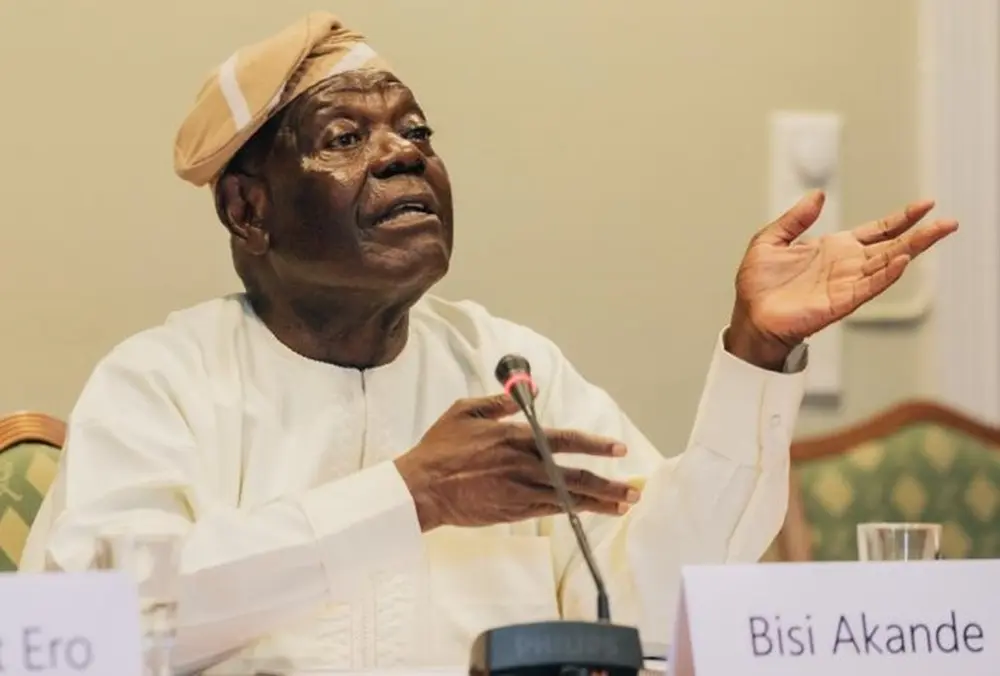
“He should remain in office, if possible, for another 10 years; otherwise, we go back to the situation of Ebinpawa because there has been a foundation for hunger.”
He also linked the country’s economic difficulties to years of military rule, arguing that successive military administrations had neglected agriculture, education and modernisation, leaving the country with long-standing challenges.
According to him, the period of military governance since 1966 contributed to the abandonment of farming and the country’s failure to embrace modern development.
“Forty years before he came, since 1966, when the military started ruling you, you have been laying the foundation for hunger. You have abandoned your farms. You have abandoned the job. You have refused to be educated. You have refused to be modernised,” Akande said.
Akande expressed optimism that Tinubu’s policies would yield further results in the coming years, predicting improved electricity supply and wider modernisation.
He also commended the liberalisation of the electricity sector, arguing that the policy had expanded opportunities for individuals and communities to generate their own power.
“They liberalised electricity. If you have money today, you can create electricity in your home. You can create it in your city. You can create it around you,” he said.
Akande contrasted the current policy with what he described as restrictions under previous military administrations, which he said prevented individuals from independently generating electricity.
He said Tinubu had changed that approach by allowing individuals and communities to generate power for their own use.
“Unlike what the military did before, if you tried to create electricity, they would arrest you. They would make you a debtor. They wouldn’t let you do it. They said only the Federal Government could do it. Tinubu came and said everybody can do it,” he said.