Trending

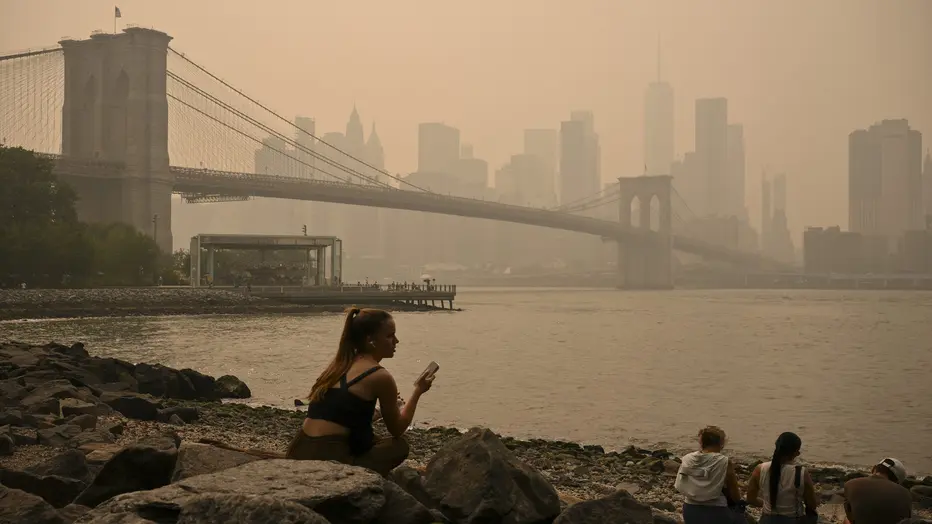
United States (US) President Donald Trump has threatened to impose further tariffs on Canada, accusing it of failing to manage its forests and allowing wildfire smoke to pollute American air.
In a post on his Truth Social platform, Trump said Canada should be held responsible for deteriorating air quality in the United States, arguing that the economic costs of recurring wildfire smoke should be reflected in tariffs on Canadian imports.
“We are holding Canada responsible for the fact that they are not properly maintaining their forests and brush therein, and the United States is being unnecessarily invaded by filthy, polluted, and unhealthy air, the quality of which is dangerous, and totally unacceptable!” Trump wrote.
The US president said he intended to raise the issue directly with Canadian Prime Minister Mark Carney.
“I will call the Prime Minister during the day to find out what they are going to do about it. The cost is incalculable!” he said.
Trump accused Canada of ignoring basic forest management practices despite repeated wildfire outbreaks that have sent thick smoke across the border into several US states.
“Canada has refused to engage in basic Forest Management and Debris Removal, knowing that such refusal will lead to exactly this result,” he wrote.
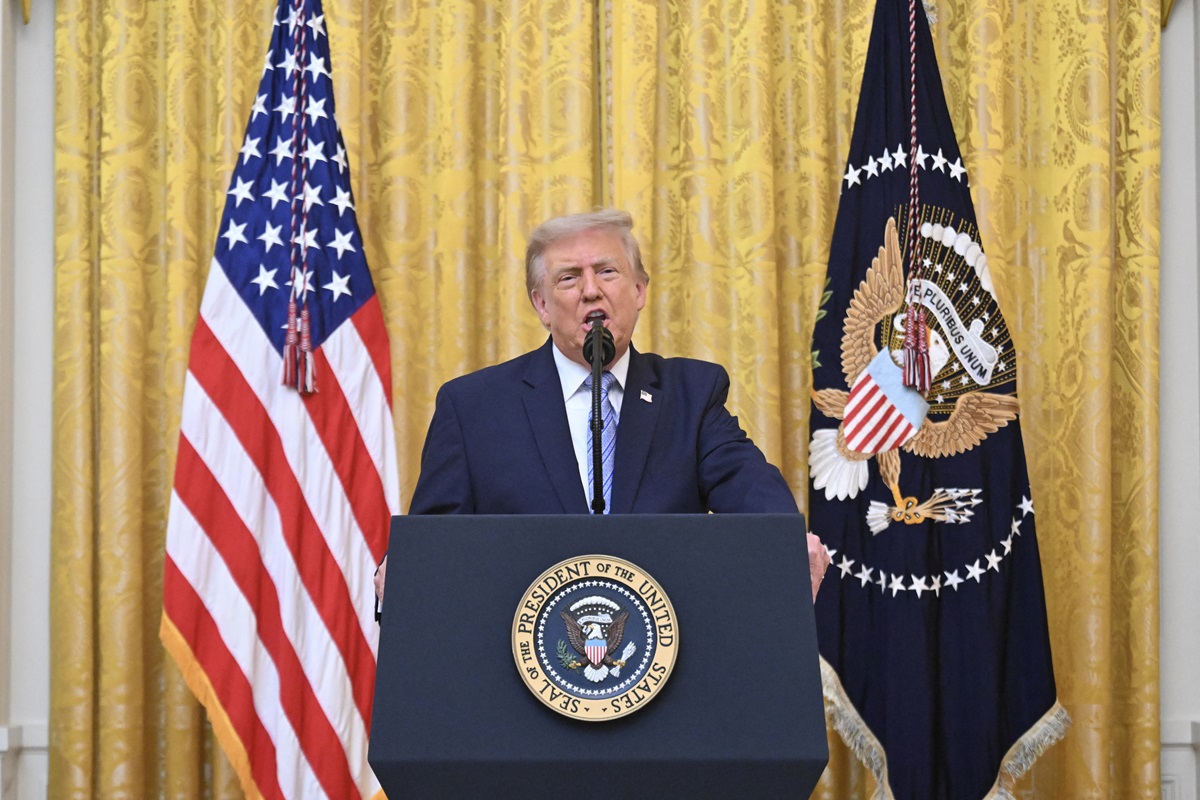
Calling the situation “willful negligence,” Trump added that the smoke had become “a yearly occurrence, costing the United States billions of Ddollars.”
He also suggested the financial impact would influence US trade policy toward Canada.
“The cost of this pollution must of necessity be added to the TARIFFS Canada is currently paying,” Trump said.
The remarks come as smoke from massive Canadian wildfires has once again spread across parts of the United States, triggering poor air quality alerts in several states.
Every wildfire season, smoke from blazes in Canada’s vast boreal forests can travel hundreds or even thousands of kilometres, affecting air quality across the US Midwest, Northeast and Great Lakes regions.
Scientists say the increasing frequency and intensity of Canada’s wildfire seasons are being driven by a combination of hotter temperatures, prolonged drought, dry vegetation and other climate-related factors.
While forest management practices such as controlled burns and fuel reduction can reduce wildfire risks in some areas, experts have cautioned that they cannot eliminate large fires under extreme weather conditions.
Trump’s comments also come against the backdrop of already strained U.S.-Canada trade relations.
His administration has relied heavily on tariffs as a negotiating tool in disputes with key trading partners, including Canada, one of the United States’ largest export markets and closest allies.
His latest remarks suggest wildfire smoke could become another point of friction between the two neighbouring countries.