Trending
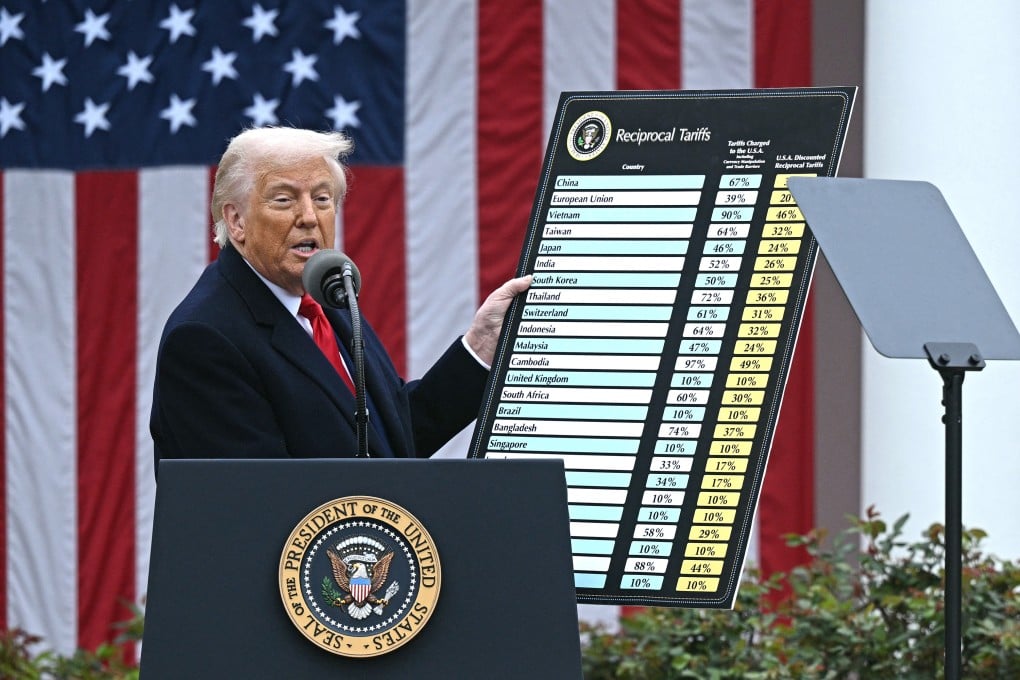
The United States on Wednesday announced a new 25 percent tariff on selected imports from Brazil following a year-long investigation into the country’s trade and economic policies.
The tariff, which is scheduled to take effect on July 22, is part of the Trump administration’s renewed tariff agenda after legal setbacks earlier this year.
A senior US official said several products, including beef, coffee and certain aircraft parts, would be exempt from the levy, along with goods that are not produced in the United States.
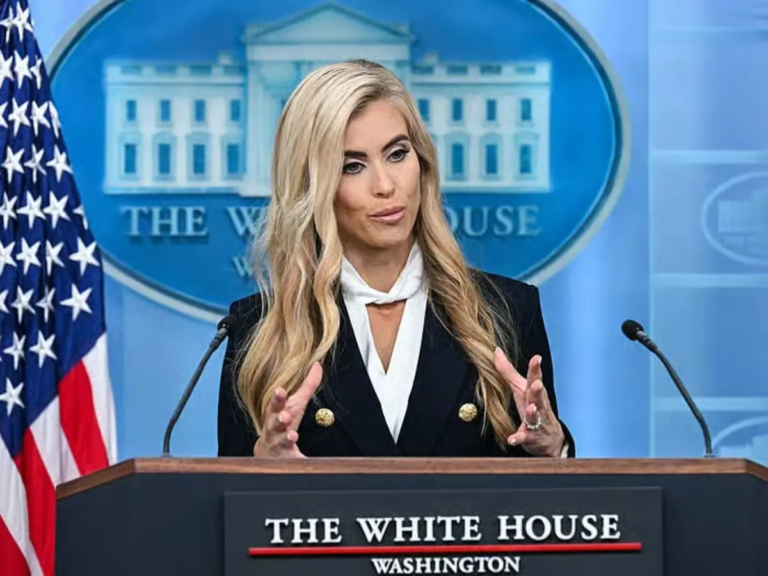
Read More : Trump Spokeswoman Confirms Bar Exam Failure
Brazil condemned the decision on Thursday, describing the tariffs as unjustified and warning that it would respond with reciprocal measures.
“There is no justification for unilateral measures against our country,” President Luiz Inacio Lula da Silva’s office said in a statement.
US Trade Representative, Jamieson Greer, said the investigation found that Brazil’s trade policies unfairly benefited local producers and restricted access to one of the world’s largest export markets, harming US commerce. He added that Washington remained open to negotiations if Brazil addressed the concerns raised during the probe.
“We remain open to continuing negotiations with Brazil to bring about long-needed changes to the problems identified in this investigation,” Greer said in a statement.
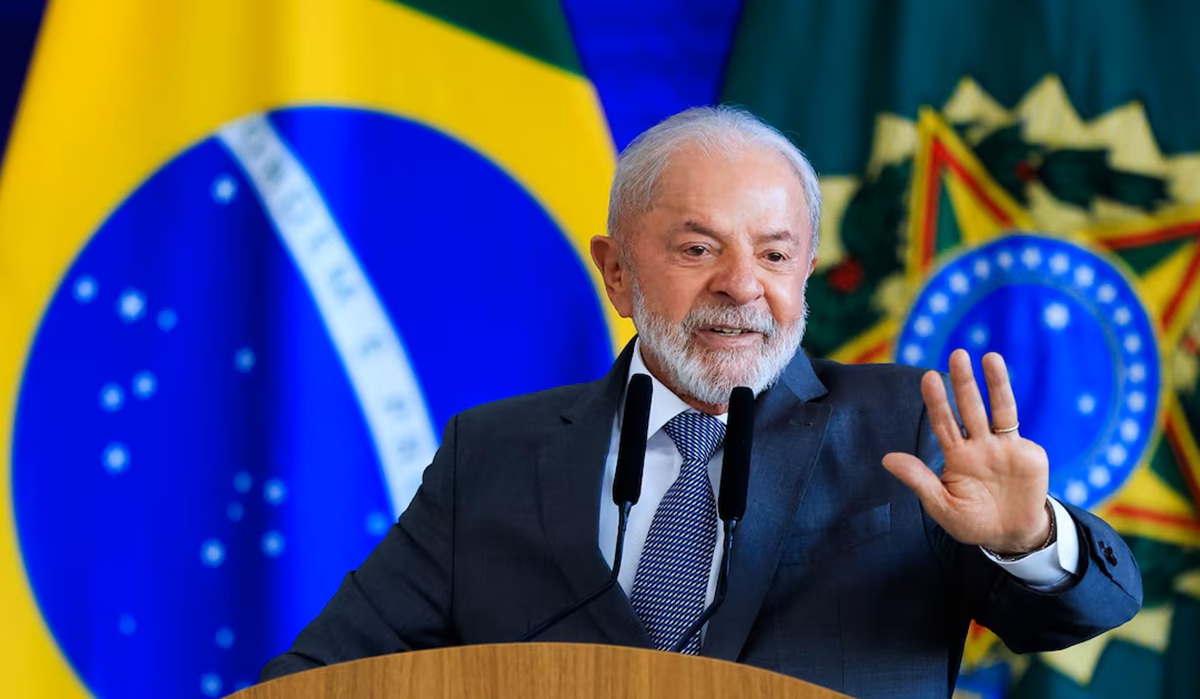
The investigation concluded that some of Brazil’s policies were unreasonable or discriminatory and imposed restrictions on US trade. Brazilian authorities rejected the findings, describing the allegations as unfounded.
US Secretary of State Marco Rubio also criticised the Brazilian government, accusing it of failing to negotiate in good faith and claiming President Luiz Inacio Lula da Silva had prioritised politics over reaching a trade agreement.
“Lula has put his own ego ahead of making a deal for the welfare of the Brazilian people, and these tariffs are the price for that,” he said.
The tariffs were imposed under Section 301 of the US Trade Act, which allows Washington to respond to what it considers unfair trade practices. The Trump administration has launched similar investigations involving other trading partners this year.
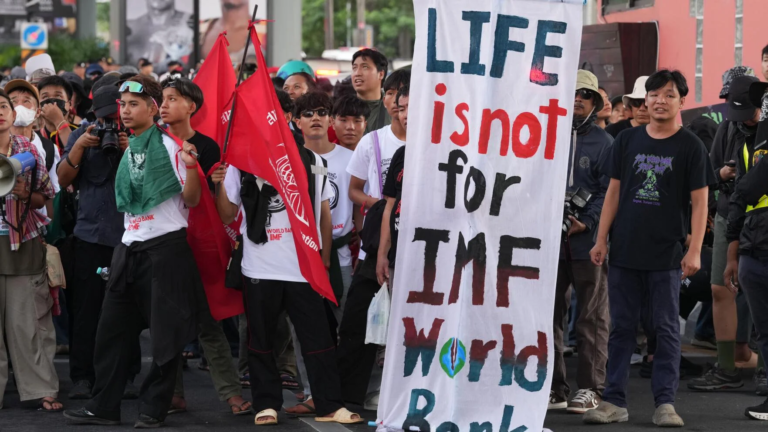
Read More : Thai Demonstrators Challenge IMF, World Bank
US officials said concerns over Brazil included its digital trade policies, the state-backed electronic payments system PIX, and what Washington described as preferential treatment for trading partners such as Mexico and India.
Although the United States said it remained open to further negotiations, it warned that any retaliatory action by Brazil could trigger additional countermeasures.
The latest tariffs come after the Trump administration last year imposed duties on Brazilian goods over the coup trial involving former President Jair Bolsonaro. Many of those tariffs were later eased following bilateral talks.