Trending
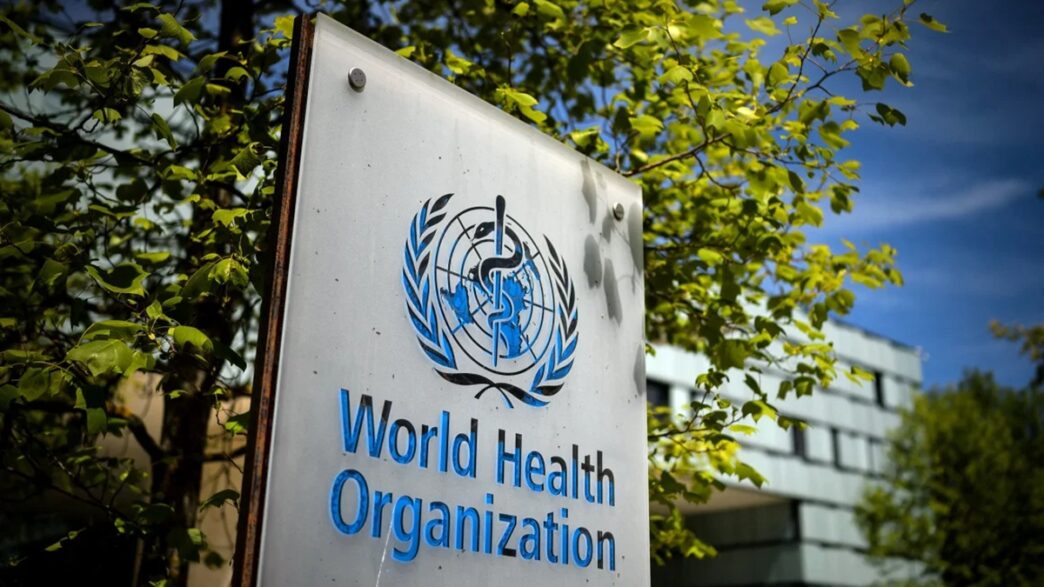
The World Health Organisation (WHO) has reaffirmed its support for Nigeria’s efforts to tackle drug misuse while ensuring patients who require controlled medicines for pain relief, mental health treatment and palliative care continue to have safe and timely access to them.
The global health agency made this known in a statement issued on Thursday following the National Drug Use Summit, which brought together government officials, security agencies, civil society groups, development partners and health experts to strengthen Nigeria’s response to substance abuse.
According to the WHO, the summit reflected Nigeria’s commitment to addressing drug misuse through coordinated action without restricting access to essential medicines for legitimate medical purposes.
The organisation said the summit was convened by the Federal Ministry of Health and Social Welfare, the National Drug Law Enforcement Agency (NDLEA) and the United Nations in Nigeria, with support from development partners, including the Global Fund, to advance the implementation of the National Drug Control Master Plan.
“Nigeria is taking bold national action to protect young people and communities from drug misuse while ensuring safe access to the essential medicines needed for pain relief, mental health care, and palliative care.
“The National Drug Use Summit, convened by the FMoHSW, NDLEA, and UN Nigeria with support from partners including The Global Fund, brought together government leaders, security agencies, civil society, and health experts to advance the National Drug Control Master Plan,” the statement read.
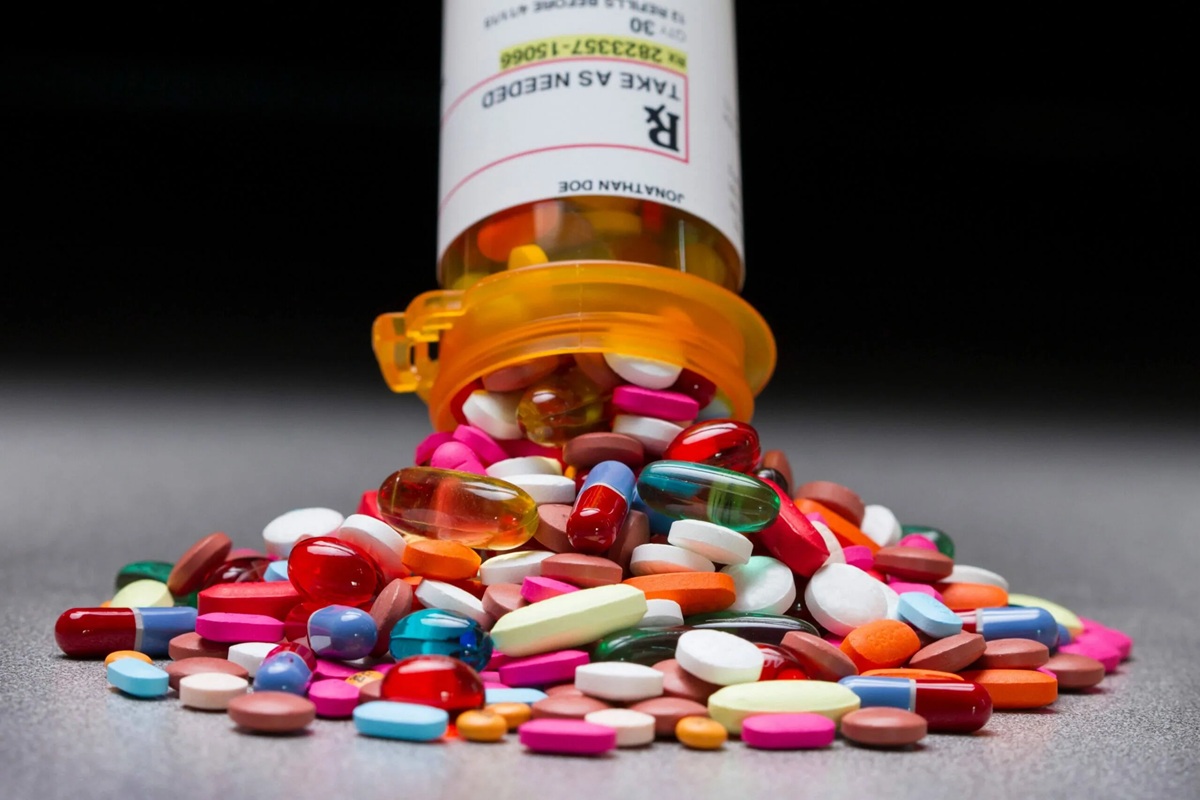
WHO noted that substance misuse remains a major public health challenge in Nigeria, particularly among young people. It cited findings from the 2019 UNODC/NDLEA survey, which showed that 14.4 per cent of Nigerians aged 15 to 64 had used drugs in the previous year, with increasing misuse of tramadol, codeine-based cough syrups and prescription sedatives continuing to affect communities.
The agency said it supported the summit by providing evidence-based technical guidance to help ensure that drug control policies do not limit access to essential medicines for patients with genuine medical needs, while also strengthening regulatory systems and reducing the risk of diversion and misuse.
“Drug misuse remains a major public health challenge affecting millions of Nigerians. The 2019 UNODC/NDLEA survey found that 14.4% of people aged 15 to 64 used drugs in the past year, with rising misuse of tramadol, codeine syrup, and prescription sedatives continuing to impact young people and communities.
“WHO Nigeria supported the Summit with evidence-based guidance on balancing drug control with safe access to controlled medicines. This work strengthens regulatory systems, protects medical access, and reduces the risk of diversion and misuse,” WHO stated.
WHO added that one of the key outcomes of the summit was the adoption of a communiqué by participating organisations to strengthen the implementation of the National Drug Control Master Plan.
Nigeria has stepped up efforts in recent years to combat drug abuse through tougher law enforcement, public awareness campaigns, and expanded treatment and rehabilitation services, with the National Drug Control Master Plan serving as the country’s framework for reducing drug demand and supply while promoting prevention, treatment, rehabilitation and international cooperation.