Trending
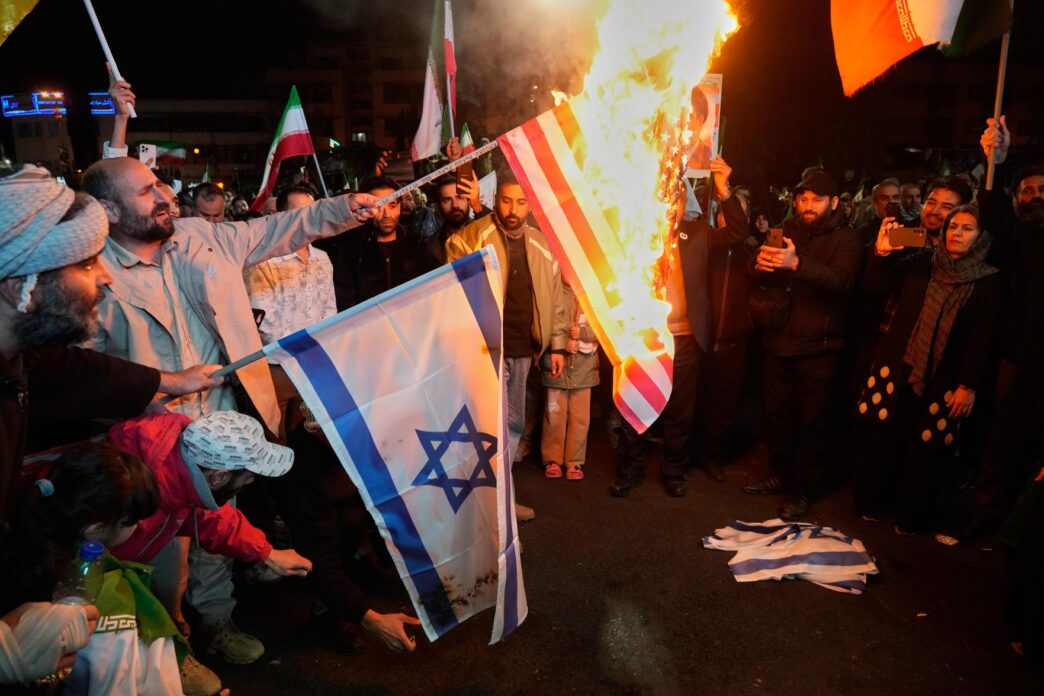
The fragile truce between Iran and the United States has entered its second day, with Tehran threatening to resume hostilities after Israel launched a major bombardment of Lebanon.
The two nations had agreed to a two-week ceasefire, alongside negotiations aimed at ending the ongoing conflict that has claimed thousands of lives and destabilised global markets.
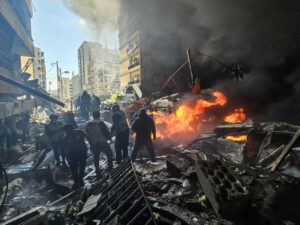
However, the agreement showed cracks almost immediately as Israel carried out its heaviest strikes on Lebanon, including in Beirut, since Hezbollah joined the war in early March. These strikes resulted in at least 182 deaths and nearly 900 injuries in Lebanon, according to the Lebanese Health Ministry.
While Israel insists that its fight against Hezbollah is separate from the U.S.-Iran ceasefire, the rhetoric surrounding the ceasefire is escalating. U.S. Vice President JD Vance argued that if Iran chooses to let the truce collapse over the situation in Lebanon, it would be their decision.
Iran, however, voiced its concerns, with Parliament Speaker Mohammad Bagher Ghalibaf accusing the US of violating the ceasefire, pointing to continued attacks in Lebanon, the entry of a drone into Iranian airspace, and the denial of Iran’s right to uranium enrichment.
The situation in Lebanon has been dire, with the United Nations’ Volker Turk calling the scale of the killings “horrific.” Strikes on central Beirut have triggered panic and chaos, with witnesses describing scenes of people running as smoke billowed through the streets. Over 1,700 people have been killed in Lebanon since the conflict escalated in late March.
In the backdrop, high-stakes negotiations are set to take place in Pakistan, with Iran temporarily agreeing to reopen the Strait of Hormuz. However, reports suggest that the waterway was shut again shortly after, heightening concerns about the truce’s sustainability. Iran’s Revolutionary Guards have warned of retaliation if Israeli strikes continue, and Hezbollah has stated its “right” to respond.
Tensions are further aggravated by missile and drone attacks launched by Iran against US-aligned Gulf states, including Kuwait, Saudi Arabia, and Bahrain. Iranian state media reported these attacks as retaliation for airstrikes on Iran’s oil facilities.
In Tehran, the streets were quieter than usual as residents feared a US military response, but some expressed relief after the ceasefire was announced.
The ceasefire’s impact on global oil prices was immediate, with a 15% drop in oil and 20% reduction in European natural gas prices.
While leaders in Europe, Canada, and the U.K. have called for a swift and lasting end to the conflict, disagreements over Iran’s uranium enrichment, economic sanctions, and control of the Strait of Hormuz remain significant points of contention between Tehran and Washington.
Despite the ceasefire, tensions between the two nations and their allies remain high, with the path to lasting peace uncertain.