


 Trending

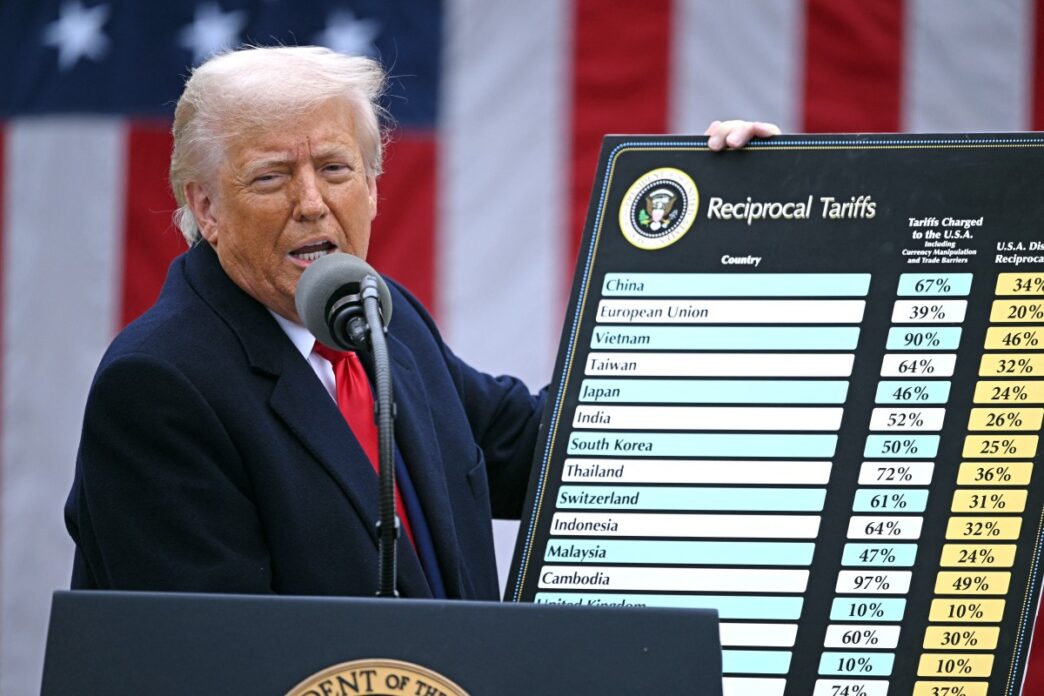
The United States has announced plans to impose tariffs of up to 20 per cent on China, the European Union and 12 other trading partners over alleged unfair economic practices, intensifying President Donald Trump’s efforts to reshape global trade.
The proposed tariffs follow a months-long investigation into excess manufacturing capacity and production, launched shortly after the US Supreme Court overturned several of Trump’s previous tariffs in February. The measures will undergo a public consultation process before potentially taking effect in January 2027.
China and Vietnam face the highest proposed tariff rate of 20 per cent, while Cambodia and Indonesia could face duties of 18 per cent. India faces a proposed rate of 17 per cent.
Read More : North Korea Seeks Broader Nuclear Capabilities
Trading partners with existing agreements, including the European Union, South Korea and Taiwan, will generally have their tariffs capped at 15 per cent.
US Trade Representative Jamieson Greer defended the proposed measures, maintaining that they were consistent with existing trade negotiations with Beijing.
“China understands that we’re going to have some level of tariffs. This falls within that understanding,” Greer told CNBC, adding that Washington was offering exemptions on approximately $30 billion worth of Chinese goods.
The European Union rejected the justification for the proposed tariffs, calling on Washington to honour its existing trade agreement with Brussels.
“The EU and the US share a real concern about global overcapacity, much of it state-driven and concentrated in third countries. We regret the lack of joint action,” European Commission spokesman Olof Gill said.
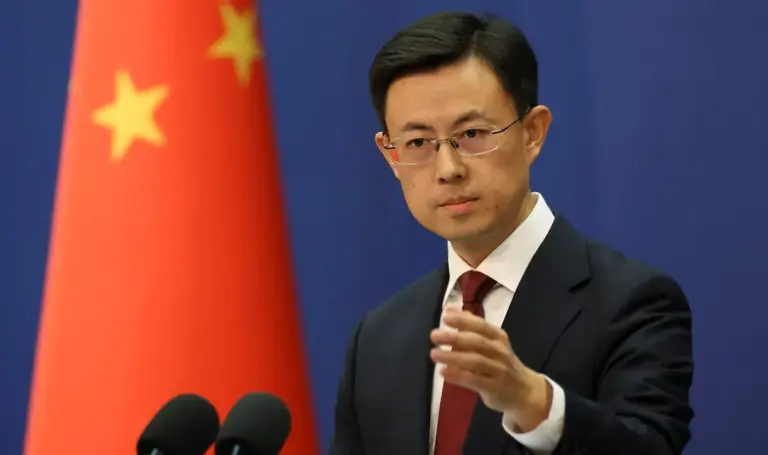
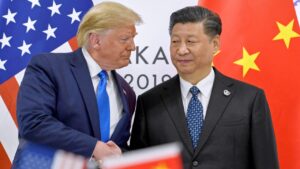
China’s foreign ministry also warned Washington against engaging in “tariff wars and trade wars.”
In a separate announcement, the United States proposed additional tariffs on Brazilian goods, including aircraft, citing alleged failures to address American trade concerns. Brazil’s presidency described the measures as “unacceptable” and vowed not to yield to such threats.
Inflation and Manufacturing Concerns
The proposed duties could increase operating costs for American businesses and worsen affordability challenges for consumers already grappling with elevated prices.
The Federal Reserve’s preferred inflation measure reached a three-year high in October, with policymakers warning that additional tariffs could contribute to further price increases.
Read More : Britain Moves to Reset EU Ties
A senior US official confirmed that the proposed duties would not be imposed cumulatively with existing sector-specific tariffs on products such as automobiles and steel.
Countries facing tariffs over both forced labour and excess production would instead be subject to the higher of the two rates.
Despite international opposition, Washington remains optimistic about securing additional trade agreements during the forthcoming G20 summit in Miami.