Trending
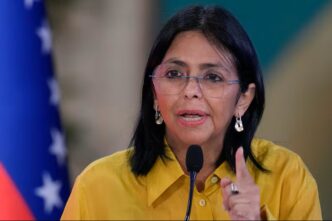
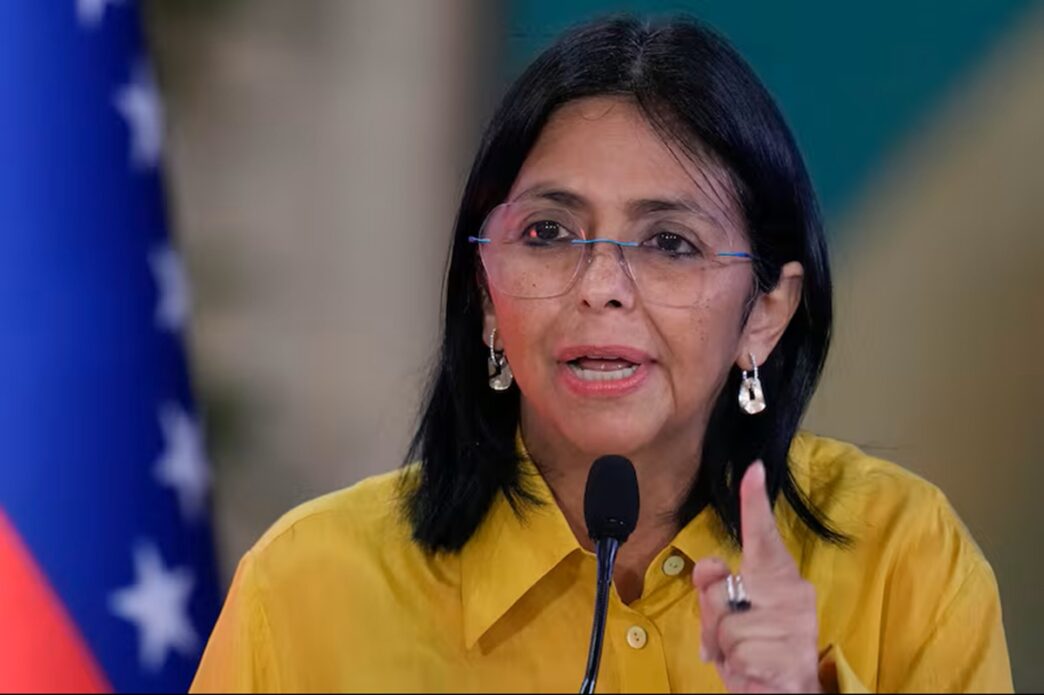
Venezuela’s acting President Delcy Rodriguez has rejected claims that the country could become the 51st state of the United States, insisting that Venezuela remains firmly committed to its sovereignty and independence.
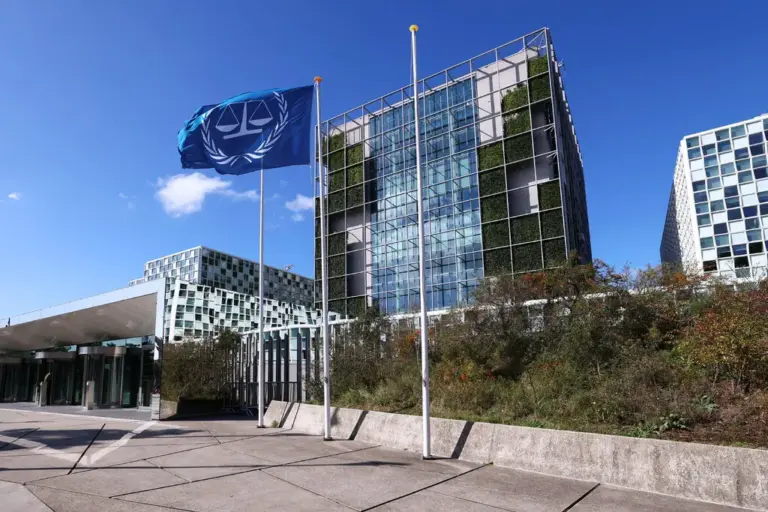
Rodríguez made the remarks on Monday while speaking to reporters after attending a hearing at the International Court of Justice in The Hague. She said the idea had never been considered, stressing that Venezuelans deeply value their independence and the legacy of their national heroes.
Rodríguez added that the country remains focused on preserving its sovereign identity and would not entertain any suggestion of becoming part of another nation.
Read More : 7.7 Quake Hits Panama, Triggers Tsunami Warning
“That would never have been considered, because if there is one thing we Venezuelan men and women have, it is that we love our independence process, we love our heroes and heroines of independence,” she said.
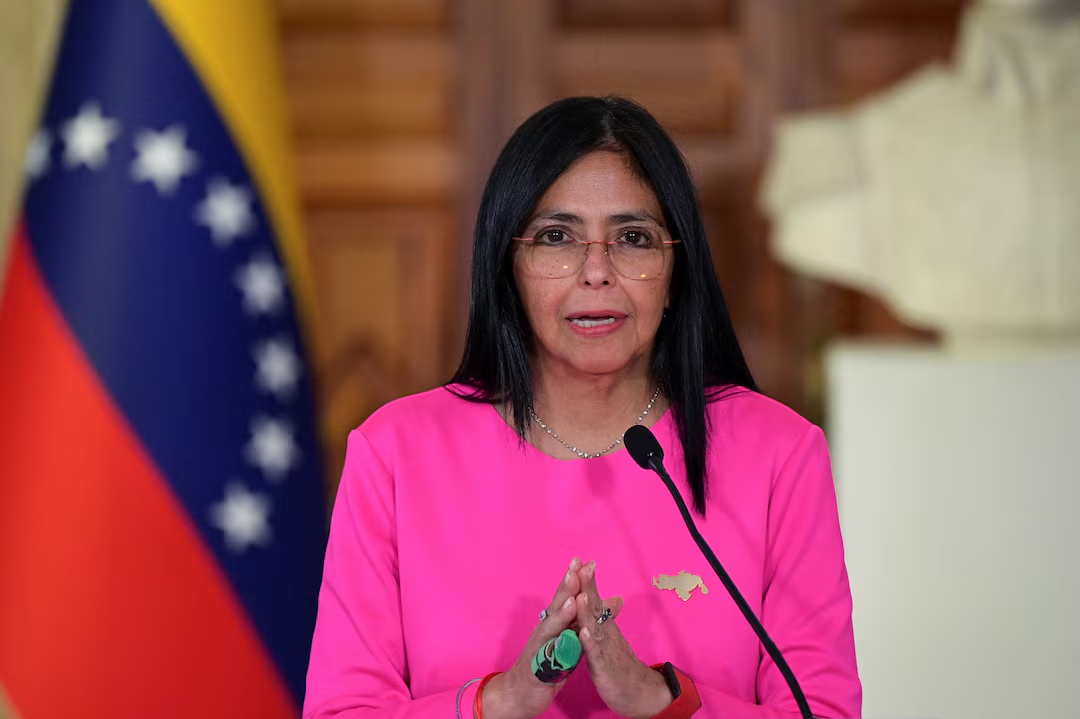
Her comments came after US President Donald Trump reportedly suggested he was considering the possibility of Venezuela becoming the 51st US state, following the capture of former leader Nicolás Maduro.
Trump had previously made similar remarks on social media, suggesting potential US statehood for Venezuela in posts that sparked diplomatic reactions. Despite the tension, Rodríguez said her administration was still pursuing what she described as a diplomatic cooperation agenda with Washington.
She noted that relations between the two countries had seen some engagement in recent months, even as the United States continues to press for access to Venezuela’s oil sector.
Trump has repeatedly praised Rodriguez, who has passed reforms opening Venezuela’s mining and oil sectors to foreign companies, notably from the US.
Read More : Trump Secures Russian Diesel for US Market
Rodríguez, who previously served as vice president under Maduro, has overseen a limited diplomatic thaw while overseeing reforms in the country’s energy and mining sectors.
The acting president was in The Hague for proceedings at the International Court of Justice over a long-running territorial dispute between Venezuela and Guyana concerning the oil-rich Essequibo region.
The case, which dates back to colonial-era boundary agreements, continues to draw international attention due to its economic and geopolitical significance.