Trending
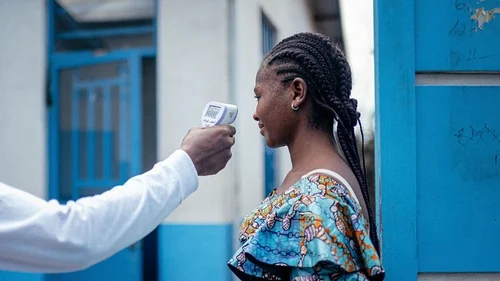
The World Health Organisation (WHO) has declared an Ebola outbreak in the Democratic Republic of Congo and Uganda to be a public health emergency of international concern on Sunday.
WHO said the outbreak, caused by the Bundibugyo strain of the virus, does not meet the criteria of a pandemic emergency, but countries sharing land borders with the DRC are at high risk for further spread. Here’s all to know about the new Ebola outbreak and how it has spread.
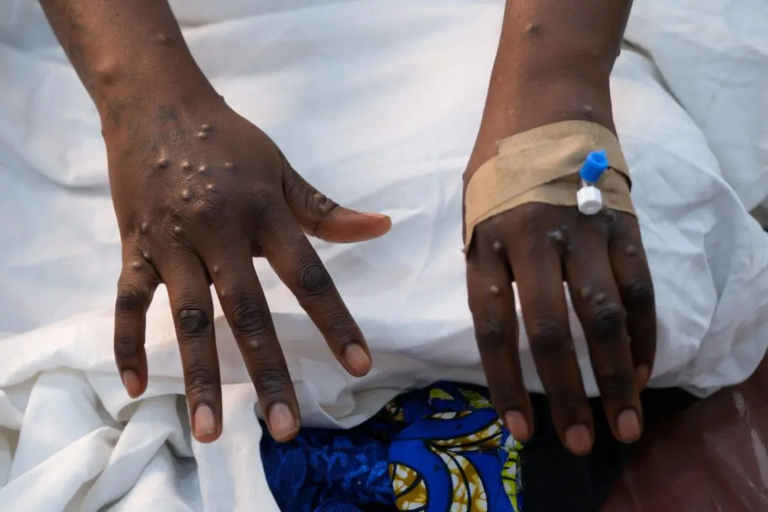
Ebola disease is a severe and fatal virus that causes fever, body aches, vomiting and diarrhoea. The disease spreads through direct contact with the bodily fluids of infected persons, contaminated materials, or the bodies of those who have died from the disease, according to the Africa Centres for Disease Control and Prevention.
This is the Democratic Republic of Congo’s (DRC) 17th outbreak since its discovery in 1976.
Bundibugyo is a strain of the virus. According to the WHO, there have been two previous outbreaks of the strain.
The outbreak is “extraordinary” because there are no approved Bundibugyo virus-specific therapeutics or vaccines, unlike for Ebola-Zaire strains, it said.
Following the news of the outbreak, Amanda Rojek, Associate Professor of Health Emergencies at the Pandemic Sciences Institute at the University of Oxford, said in a statement, “Unfortunately, Bundibugyo has fewer proven countermeasures than Zaire ebolavirus, where vaccines have been highly effective in controlling outbreaks.”
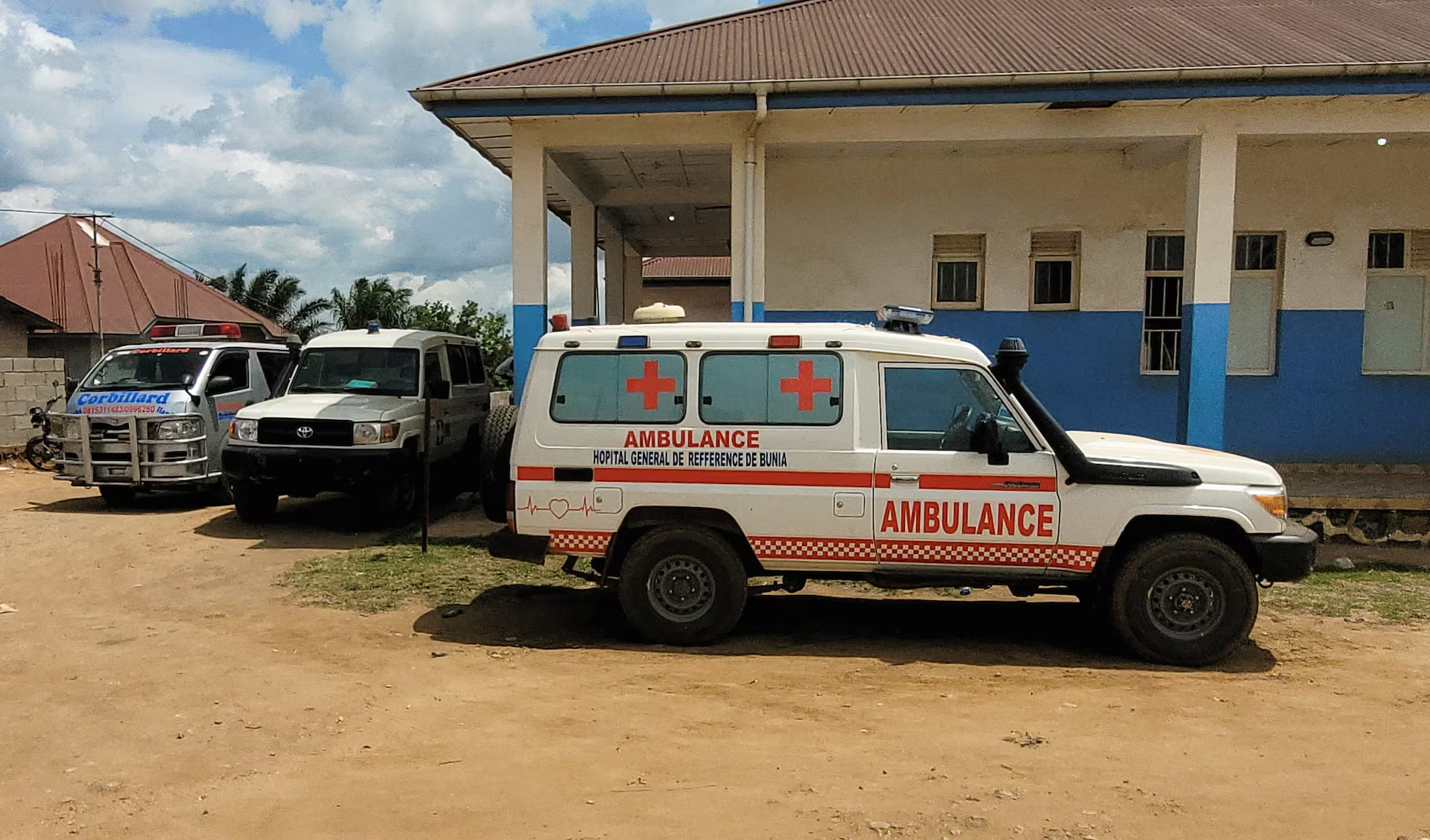
Affected Countries
The governments of the Democratic Republic of Congo (DRC) and Uganda have confirmed cases, with the outbreak most severely affecting the DRC. The Africa Centres for Disease Control and Prevention said on Sunday that it was coordinating with South Sudan to monitor cross-border activity and limit further international spread.
Number of People Affected
On Sunday, the WHO reported eight lab-confirmed cases, 80 suspected deaths, and 246 suspected infections.
Another case in Goma, the eastern DRC town controlled by M23 rebels, was also confirmed in a statement which they released on Sunday.
Additionally, Ugandan officials confirmed a second case on Sunday. However, the WHO warned that “there are significant uncertainties to the true number of infected persons and geographic spread associated with this event at the present time”.